Pests don’t break in — they walk in. Through worn door sweeps, torn window screens, gaps under garage doors, unscreened dryer vents, and small openings around the foundation. Spraying inside the house may kill pests after they appear, but physical pest barriers help stop them before they get inside.
This guide compares practical barrier products for common US home entry points: doors, windows, garages, vents, chimneys, and foundation openings. Most fixes are simple DIY projects, usually cost less than a single pest control visit, and do not require indoor chemical treatment.
If you are not sure what pest you are trying to block, start with our guide to identifying common household pests.
Barrier Strategy: What to Fix First
| Problem | Best Fix | Best Product Type |
|---|---|---|
| Daylight under exterior doors | Seal the bottom gap | Under-door draft stopper |
| Mosquitoes and flies entering through open doors | Add a self-closing screen | Magnetic screen door |
| Rodents or insects in the garage | Replace the bottom seal | Garage bottom weather seal |
| Torn window screens | Repair or re-screen | Window screen repair kit |
| Pests around vents, soffits, and foundation openings | Cover openings without blocking airflow | Stainless steel mesh |
| Outdoor perimeter pest pressure | Finish sealing first, then use a pest-specific outdoor guide | DIY pest-proofing plan |
Why Physical Barriers Beat Sprays and Traps
Sprays and traps deal with pests after they are inside your home. Barriers help stop them from entering in the first place.
- Longer-lasting: a good door sweep or vent screen can last years.
- Lower chemical exposure: useful for homes with kids, pets, asthma concerns, or sensitivity to indoor sprays.
- Better prevention: barriers also help with pests that sprays do not solve well, including mice, rats, bats, birds, snakes, and squirrels.
- Lower recurring cost: many fixes are one-time purchases instead of monthly treatment.
For a broader pest-proofing plan, see our guide to DIY methods to keep bugs out naturally.
Outdoor perimeter support
Seal the entry points first, then match the outdoor pest
If ants, spiders, mosquitoes, ticks, or other outdoor pests keep showing up around doors, patios, landscaping, or foundation edges, barriers are still the first layer. After sealing the obvious gaps, use a pest-specific guide so you are not applying a broad outdoor plan to the wrong problem.
1. Door Sweeps and Under-Door Seals

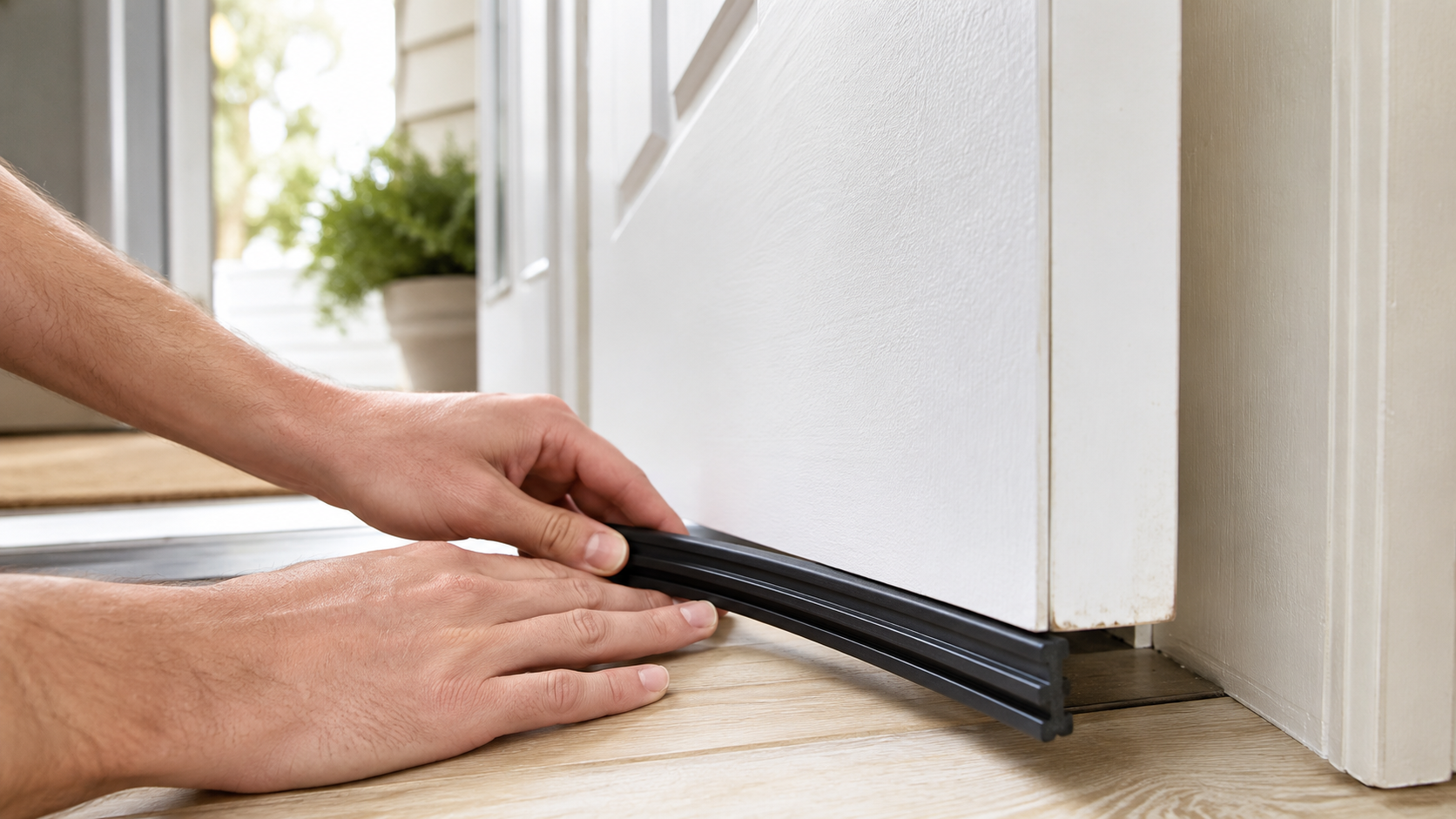
Door gaps are one of the most common entry points in a house. A standard exterior door can have a 1/2-inch gap underneath when the sweep is worn, missing, or poorly fitted. That is enough space for ants, roaches, spiders, and even mice to investigate.
There are two useful styles:
- Adhesive twin-sided sweeps: easiest for renters and quick installs. No drilling.
- Screw-mounted door sweeps: more durable for high-use exterior doors, garages, and utility doors.
Door gaps can also allow mice to move from the garage into the living space. If you already hear activity inside walls, read how to get rid of mice in walls.
Recommended for quick installs
Holikme Under-Door Draft Stopper
Twin-sided adhesive seal, trims to fit standard doors, and works well for front doors, back doors, basement doors, and utility rooms.
Recommended for heavy-use doors
M-D Building Products Door Sweep
A screw-mounted aluminum-and-vinyl sweep for exterior doors that get daily use. More permanent than peel-and-stick styles.
2. Weather Stripping for Door Frames

A door sweep handles the bottom gap. Weather stripping handles the other three sides: top and both jambs. Small gaps around the frame can let ants, spiders, stink bugs, roaches, and cold air inside.
Foam adhesive weather stripping is the easiest fix. Clean the frame, cut the strip to length, press it into place, and close the door against it.
How to Install Weather Stripping
- Clean the frame with rubbing alcohol so the adhesive sticks.
- Measure the top and side jambs.
- Cut the strip to length with scissors.
- Press firmly along the frame channel.
- Close the door and test for drafts or visible daylight.
Recommended for frame gaps
M-D Building Products Weather Strip
Closed-cell foam with self-adhesive backing. Useful for doors and windows with small frame gaps.
3. Magnetic Screen Doors for Flying Pests

If you like fresh air but hate bugs, a magnetic screen door is often the simplest fix. Two mesh panels attach to the frame and close automatically with magnets after you walk through.
This is especially useful for patios, back doors, summer kitchens, and doors that kids or pets use frequently. It helps with mosquitoes, flies, gnats, and other flying insects.
How to Install a Magnetic Screen Door
- Measure the door frame before buying.
- Clean the frame with rubbing alcohol.
- Apply the hook-and-loop strip to the frame.
- Attach the screen and line up the magnets.
- Walk through several times to make sure it closes properly.
Recommended for patio and back doors
Magzo Magnetic Screen Door
Heavy-duty fiberglass mesh, magnetic closure, and a practical choice for summer airflow without inviting flying insects inside.
4. Adjustable Window Screens for Open Windows

Older homes and apartments often have windows without built-in screens. An expandable window screen lets you keep a window open while blocking mosquitoes, flies, and small flying insects.
It adjusts to the window width, sits in the track, and is held in place when the sash closes. It is a good seasonal fix for kitchens, basements, older apartments, and temporary summer airflow.
Unscreened windows can also attract overwintering insects. If you deal with boxelder bugs, see how to get rid of boxelder bugs permanently.
Recommended for windows without screens
Fenestrelle Expandable Window Screen
Adjustable width, easy seasonal installation, and useful for older windows where a permanent screen is missing.
5. Window Screen Repair Kit

Existing screens break down over time. Sun, weather, pets, and accidental impact can create tears or pulled corners. Even a small tear can let mosquitoes, fruit flies, gnats, and other small insects inside.
A screen repair kit is usually cheaper than replacing several screens. Most kits include fiberglass mesh, spline, a spline roller, and a cutting tool.
How to Repair a Window Screen
- Remove the screen frame from the window.
- Pull out the old spline and mesh.
- Lay the new mesh over the frame with extra overlap.
- Press the new spline into the channel with the roller.
- Trim excess mesh carefully.
Recommended for torn screens
Window and Screen Door Repair Kit
A practical DIY kit for re-screening several windows or repairing damaged screen doors.
6. Garage Door Bottom Seals

The garage is often the largest unsealed entry point in a home. The bottom rubber seal dries out, cracks, and pulls away from the floor. Rodents, snakes, spiders, roaches, and other pests can enter through the gap. If mice are already active there, use the full garage mouse control plan before sealing every route, especially if parked vehicles are nearby.
How to check: close the garage door and look from the inside. If you see daylight or feel a draft under the seal, pests can probably use that opening.
Garages can also create access to wood framing and storage areas. If you find pellets, damaged wood, or suspicious debris, compare signs in our guide to termite droppings in your house.
How to Install a Garage Door Bottom Seal
- Measure the full garage door width.
- Buy a seal slightly longer than needed.
- Remove the old seal from the T-track.
- Slide the new seal into the same track.
- Lower the door and check for compression against the floor.
Recommended for garage gaps
Garage Door Bottom Weather Seal
Heavy-duty rubber seal for standard residential garage doors. Helps block pests, drafts, dust, and water intrusion.
7. Dryer Vent Covers
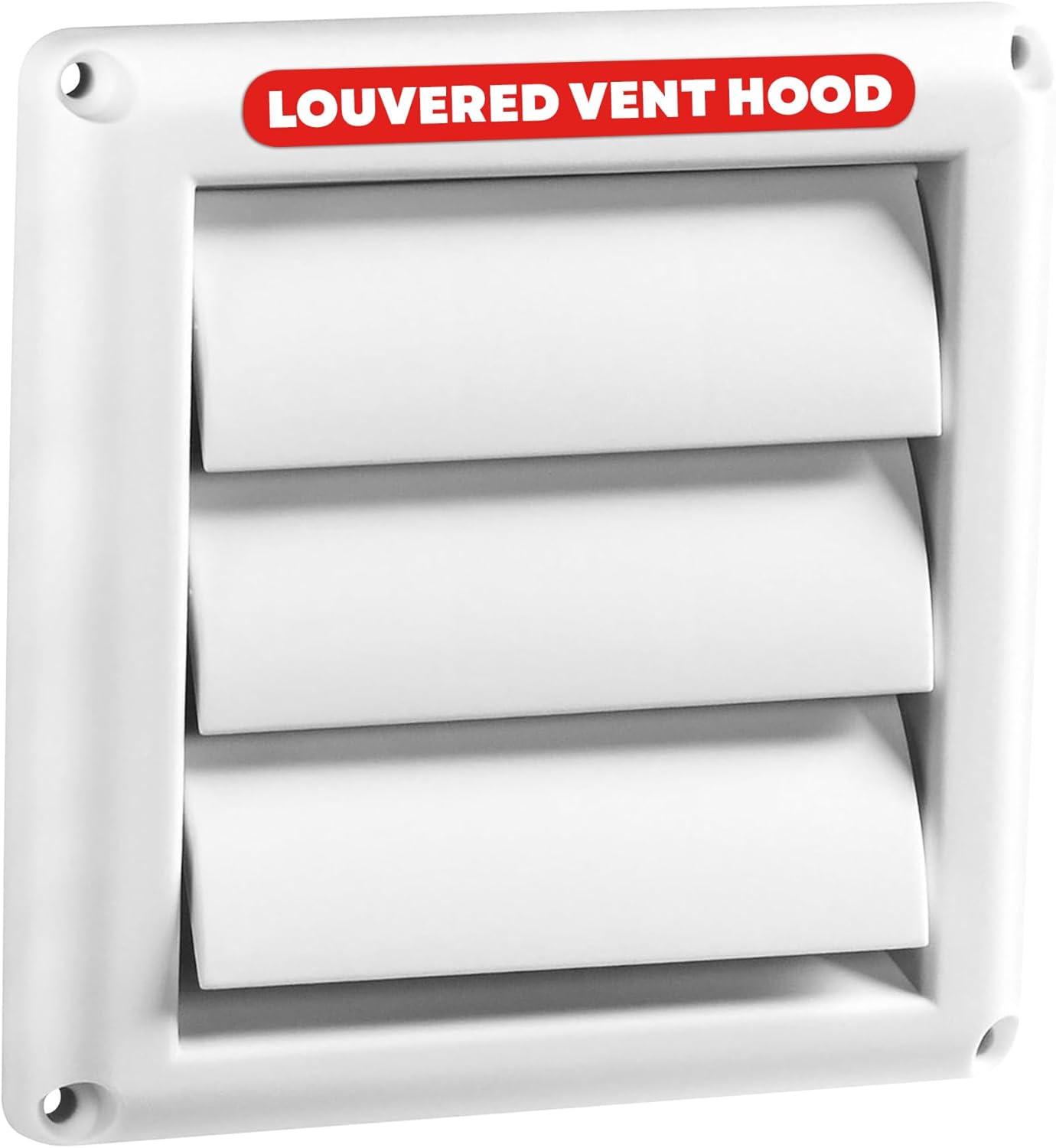
A dryer vent is a 4-inch opening through the exterior wall. When the flap breaks, sticks open, or gets clogged with lint, birds, mice, wasps, and other pests can use it as an entry point.
A good vent cover should open when the dryer runs and close when it stops. Check it seasonally and remove lint buildup so airflow is not restricted.
Recommended for dryer vents
Deflecto Supurr-Vent 4-Inch Outdoor Dryer Vent Cover
Spring-loaded flap design for standard 4-inch dryer ducts. Helps reduce nesting and pest entry through the vent.
8. Chimney Caps With Mesh

An open chimney flue can attract squirrels, birds, bats, and other wildlife. A chimney cap with mesh helps block animal entry while also reducing rain, debris, and sparks.
Single-flue chimney caps may be DIY-friendly for homeowners comfortable working safely on a roof. Multi-flue, tall, steep, or damaged chimneys are better handled by a chimney professional.
Recommended for single-flue chimneys
Shelter 13-Inch Single Flue Bolt-On Chimney Cap
Galvanized steel cap with mesh to help block birds, squirrels, bats, and other animals from entering the chimney.
9. Stainless Steel Mesh for Vents, Soffits, and Foundation Openings

Homes have many small openings beyond doors and windows: foundation vents, soffit vents, gable vents, weep holes, plumbing penetrations, AC line openings, and gaps around exterior utilities.
Stainless steel mesh is useful because it can block pests while still allowing airflow. It can be cut to size and secured with screws, washers, staples, or exterior-grade sealant depending on the opening.
Common Uses for Stainless Steel Mesh
- Foundation vents: block mice while preserving ventilation.
- Soffit and gable vents: reduce bird, squirrel, and bat entry.
- Brick weep holes: discourage wasps and other insects from nesting in wall voids.
- Pipe and AC penetrations: close irregular gaps before sealing.
Recommended for small openings
Stainless Steel Woven Wire Mesh
A flexible material for vents, soffits, foundation openings, and utility penetrations. Useful where airflow must remain open.
For a broader comparison of lower-toxicity options, including barriers, biological controls, monitoring products, and outdoor pest-control support, see our guide to the best natural pest control products for homeowners.
Pest Barrier Inspection Checklist
A complete barrier audit takes about 60 to 90 minutes. Walk the home once from inside, then once from outside.
Interior Checklist
- Every exterior door: is daylight visible under the door?
- Door frames: is the foam or rubber seal torn, flattened, or missing?
- Windows: are screens torn, loose, or missing?
- Garage: is there a gap under the bottom seal when closed?
- Dryer area: is ducting connected and sealed?
- Basement or crawlspace: are vents screened and pipe openings sealed?
Exterior Checklist
- Foundation: are there cracks, holes, or gaps under siding?
- Brick veneer: are weep holes open to pests?
- Vents: are dryer, soffit, gable, and foundation vents screened?
- Chimney: is there a cap with mesh?
- AC lines and plumbing: are wall penetrations sealed?
- Landscaping: are shrubs hiding gaps near the wall or foundation?
Most homes have several small openings when inspected carefully. Start with the largest and most obvious ones first: doors, garage seal, screens, and vents. Then move to smaller gaps around foundation edges and utility penetrations.
Frequently Asked Questions
How small a gap do mice need to get in?
A house mouse can squeeze through a hole about the size of a dime, roughly 1/4 inch. Young mice can fit through even smaller openings. If a pencil can fit into the gap, treat it as a possible mouse entry point.
How often do door sweeps need to be replaced?
Quality door sweeps often last 5 to 10 years, depending on weather, door use, and material. Replace them sooner if you see tears, flattened rubber, missing bristles, or daylight under the door.
Can I install a magnetic screen door myself?
Yes. Most magnetic screen doors attach with hook-and-loop strips and do not require drilling. The most important step is cleaning the door frame before installation so the adhesive holds.
Will stainless steel mesh corrode in coastal areas?
True stainless steel mesh resists corrosion better than cheaper galvanized mesh, especially in humid or coastal areas. Check the product material before buying.
Do dryer vent covers reduce dryer efficiency?
A properly designed vent cover should open when the dryer runs and close when it stops. If drying time increases after installation, check for lint buildup, a stuck flap, or a cover that restricts airflow.
What is the difference between a chimney cap and a chimney damper?
A damper is inside the chimney and controls airflow. A cap sits outside on top of the chimney and helps block rain, debris, sparks, birds, squirrels, bats, and other animals. You need both for different reasons.
Can barriers be my only pest control strategy?
For prevention, often yes. Barriers can stop many pests before they enter. If you already have an active infestation, treat the pests inside first, then seal entry points so the problem does not repeat.
Final Thoughts
Physical barriers are one of the most underrated pest-control strategies for homeowners. They are not exciting, but they solve the real problem: entry points.
Start with the highest-impact fixes: under-door seals, magnetic screen doors, and garage bottom seals. Then inspect vents, windows, chimney openings, and foundation gaps.
If outdoor pest pressure continues around the foundation, landscaping, patio, or entry points, do not skip diagnosis. Ants, spiders, mosquitoes, ticks, crickets, lizards, and rodents need different next steps. Use a pest-specific guide after the barrier work is done.
When barriers are not enough
Identify the pest before you seal everything up
Barriers help prevent new pest entry. But if pests are already established inside walls, framing, attics, crawlspaces, or other hidden areas, sealing alone may trap the problem inside. Identify the pest first, then match the next step to the problem.
Good next steps: identify household pests, review natural pest-proofing, and compare lower-toxicity product options.
Related Reading
- Effective and Biological Pest Control: Full Guide
- DIY Pest Proofing: How to Keep Bugs Out Naturally
- Best Natural Pest Control Products for Homeowners
- Mice Control Guide
- How to Get Rid of Mice in Walls
- How to Get Rid of Mice in the Garage
- Best Lizard Repellents
- How to Get Rid of Boxelder Bugs Permanently
- Termite Inspection Cost: What to Expect