
Moth Control Hub
Moths: Pantry or Clothes? Identify the Type and Pick the Right Trap
Moths in the home fall into two very different groups — pantry moths in the kitchen and clothes moths in the closet. They look similar but damage different things and need different traps. Start here: figure out which one you have, then jump into the guide and traps that fit your problem.
Pantry Moths vs Clothes Moths: How to Tell Them Apart
The two look similar at a glance, but they live in different places, ruin different materials, and need different traps. The fastest way to identify the problem is to look at where the moths appear — then match the trap to the location.
| Feature | Pantry moths | Clothes moths |
|---|---|---|
| Where you find them | Kitchens, pantries, cupboards, and dry-food shelves | Closets, wardrobes, drawers, rugs, and fabric storage |
| What they infest | Flour, cereal, rice, pasta, grains, nuts, pet food, bird seed | Wool, cashmere, silk, fur, feathers, rugs, stored clothing |
| Warning signs | Webbing, clumps, or larvae inside food packages; moths near cabinets | Small holes in natural fibers, larval cases, moths in dark closet corners |
| Right trap | Pantry moth pheromone traps placed near food storage | Clothes moth pheromone traps placed in closets and wardrobes |
| Start here | Pantry moth guide | Clothes moth guide |
All Moth Guides
Filter by where your moths are: the kitchen pantry, the closet, or a comparison to help you choose.
Pantry · Products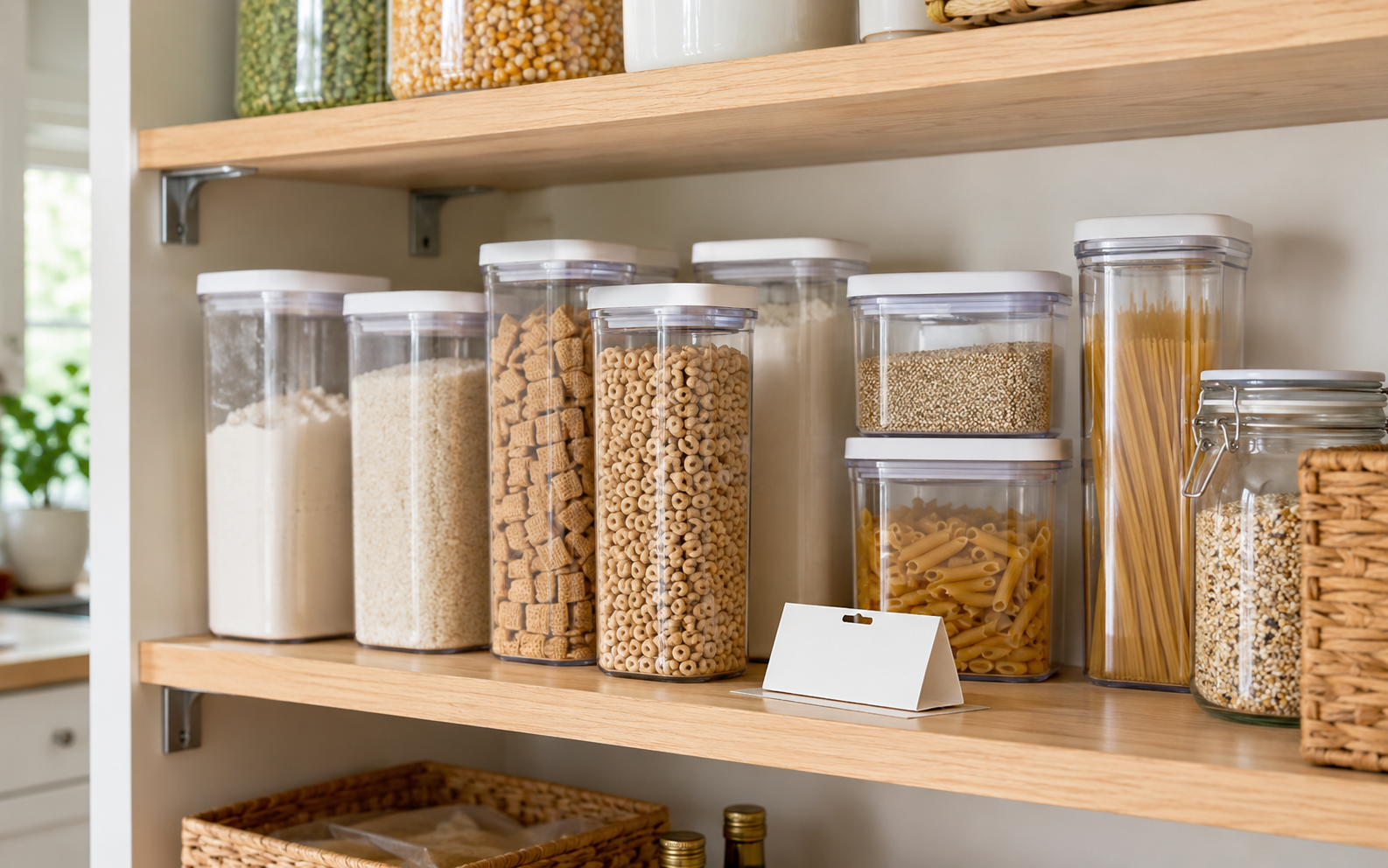
Best Pantry Moth Traps in 2026
Compare TERRO, Catchmaster, and Safer Home pheromone traps for the kitchen, plus the airtight storage that stops moths spreading between dry goods.
Pantry · Guide
How to Get Rid of Pantry Moths
The full kitchen cleanout — find the infested food, vacuum shelf cracks, set traps, and seal dry goods so the moths don’t come back.
Clothes · Products
Best Clothes Moth Traps in 2026
Compare MaxGuard, Safer Brand, and refillable closet traps, plus the cedar and garment bags that protect wool, cashmere, and rugs.
Clothes · Guide
How to Get Rid of Clothes Moths
The complete closet plan — inspect and clean fabrics, vacuum the hidden edges, set traps, and store vulnerable garments so they stay safe.
Compare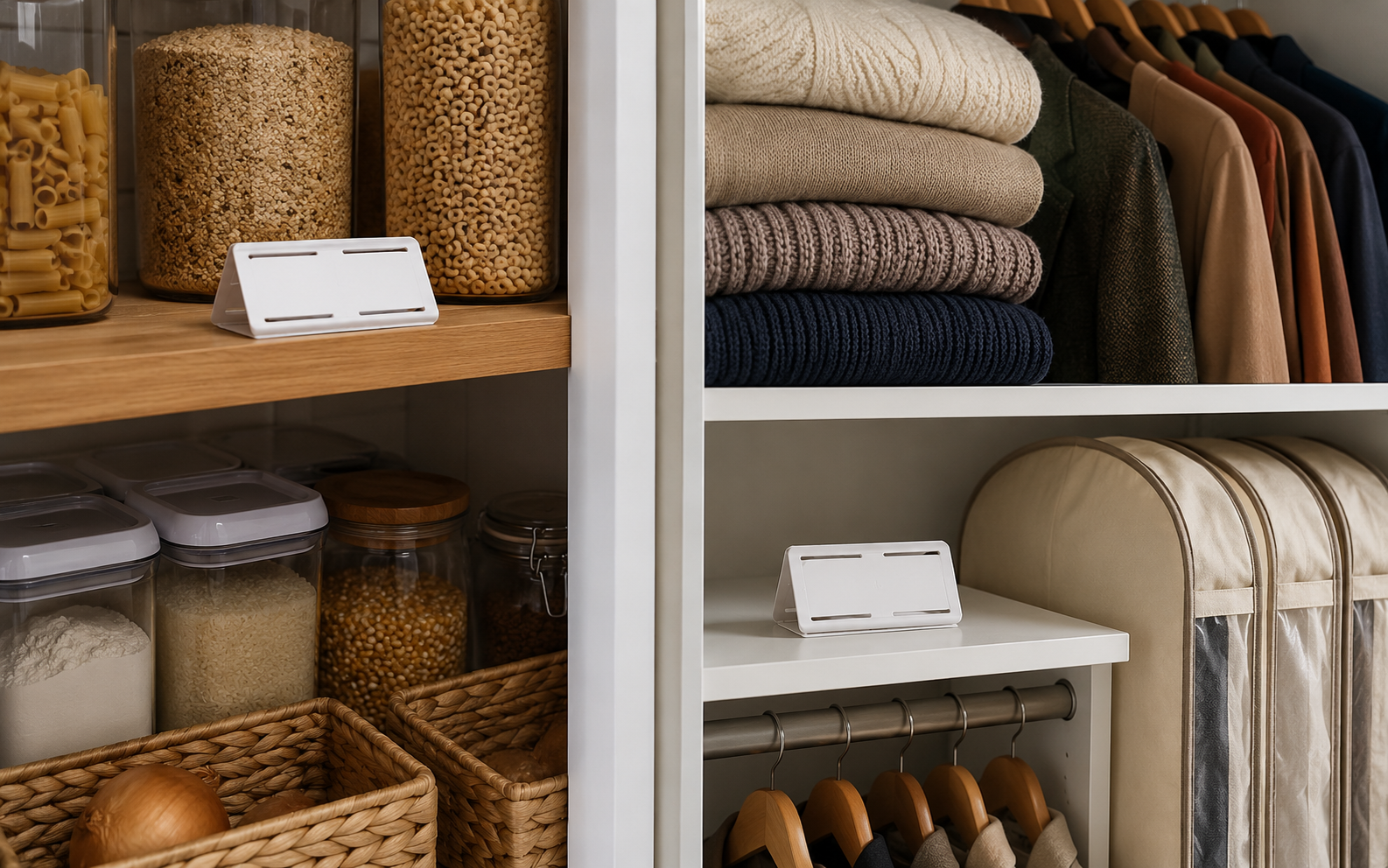
Pantry Moth Traps vs Clothes Moth Traps
Not sure which moth you have? See how the two traps differ by location, target pest, and signs — and why the wrong trap just wastes time.
Pro Help
Best Pest Control Services
When cleanouts don’t hold and moths keep returning across rooms, compare professional options and know exactly what to ask before you hire.
No guides in this category yet.
Quick Test: Pantry Moths or Clothes Moths?
Seeing small moths but not sure where they’re coming from? Answer three quick questions and we’ll point you to the right guide and trap type — kitchen or closet.
Question 1 of 3
Result
Moth Control FAQ
How do I tell pantry moths from clothes moths?
Look at where they appear. Moths near the kitchen, cabinets, flour, cereal, rice, or pet food are pantry moths. Moths near closets, wardrobes, wool, cashmere, or rugs — or small holes in natural-fiber clothing — point to clothes moths. If you see both, treat the food area and the fabric area as two separate problems.
Do moth traps kill the larvae?
No. Most moth traps use a pheromone lure that catches adult male moths and lets you monitor activity. The larvae — which cause the actual damage to food or fabric — aren’t affected, so traps only work as part of a full cleanout: remove the source, clean, then monitor with traps.
Can I use the same trap for both types?
No. Pantry and clothes moth traps use different lure systems and aren’t interchangeable. A pantry trap belongs near food storage; a clothes moth trap belongs in closets and wardrobes. Using the wrong one can leave an empty trap and a false sense that the problem is gone.
Why do moths keep coming back after I clean?
Usually a source was missed — an infested bag of flour or pet food, or a wool item, rug, or storage bin with larvae or eggs. Recheck dry goods and fabrics, vacuum shelf and closet cracks, and move food into airtight containers or store clean garments in sealed bags.
Do cedar blocks and airtight containers actually help?
They help as prevention, not as cures. Airtight containers stop pantry moths spreading between dry goods after a cleanout, and cedar supports clothes-moth prevention in clean, stored fabrics. Neither removes an active infestation on its own — pair them with source removal and traps.