Mosquitoes are a seasonal problem for many US homeowners, but the right solution depends on where the mosquitoes are coming from. Some readers need skin protection. Others need to stop larvae in standing water, reduce yard pressure, compare traps, or decide whether the problem is serious enough for professional treatment.
This mosquito hub helps you choose the right next step: identify the mosquito problem, understand health risks, reduce breeding sites, compare repellents, choose yard control options, and decide when traps or professional help make sense.
Quick Answer: What Mosquito Problem Do You Have?
Mosquito control works best when you match the solution to the problem. Use this page as the starting point, then move into the detailed guide that fits your situation.
If mosquitoes are biting you outdoors
Start with personal protection: picaridin, DEET, oil of lemon eucalyptus, clothing treatment, or a patio repeller. This is the right route when the main problem is bites during yard work, evening sitting, travel, or outdoor activity.
If mosquitoes are taking over the yard
Look at yard-level control: sprays, granules, mosquito dunks, foggers, and lower-toxicity yard treatment options. This is the right route when mosquitoes stay active around grass, shrubs, fence lines, patios, or damp landscaping.
If you want a lower-toxicity yard treatment
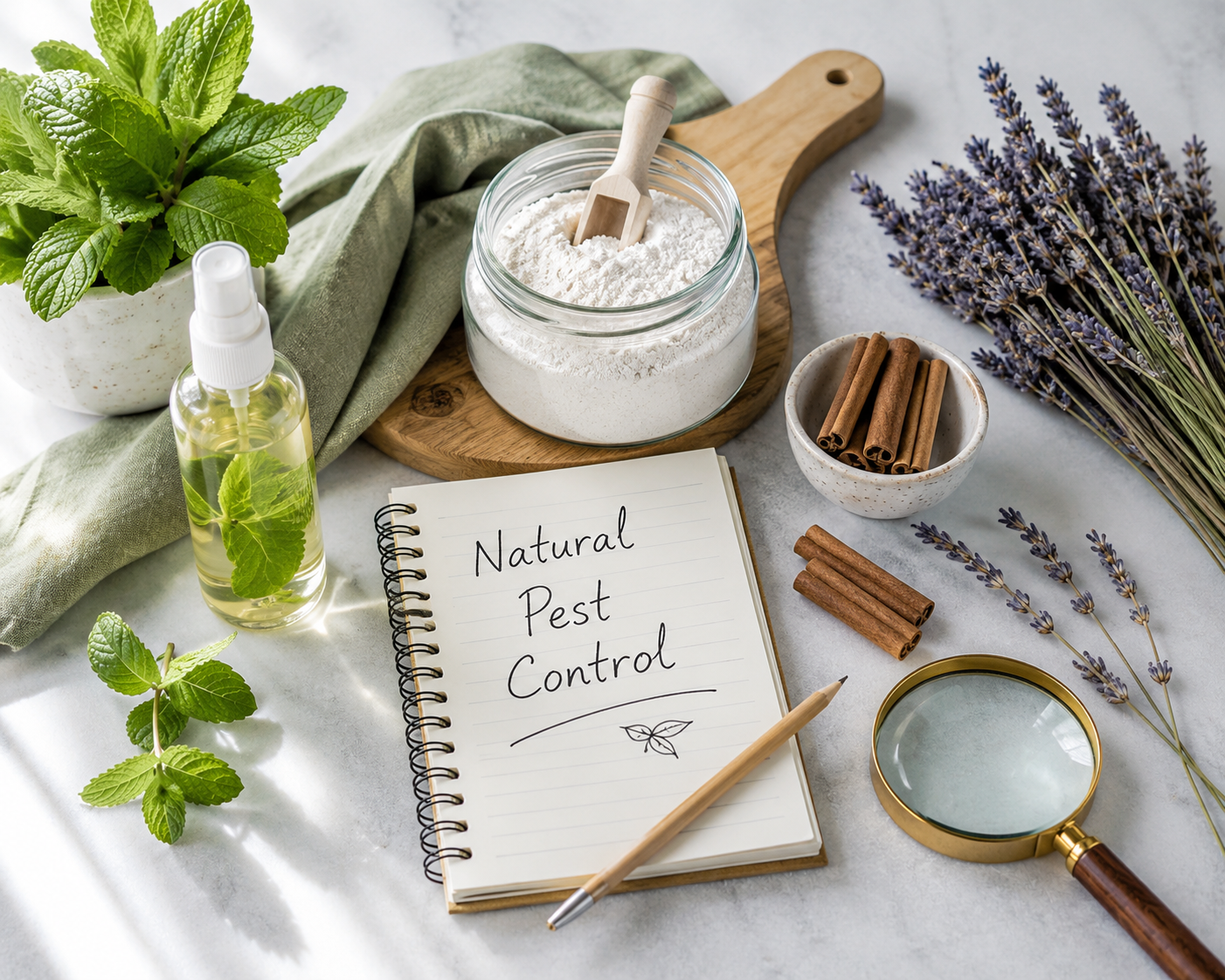
Lawnbright’s Organic Mosquito and Tick Control is a yard-treatment option for homeowners who do not want to mix professional concentrates themselves. It fits best when mosquitoes are coming from outdoor vegetation, damp landscaping, shaded lawn areas, or perimeter pressure.
Reader code: use PESTSGUIDE10 for 10% off your first Lawnbright purchase.
If you are comparing mosquito traps
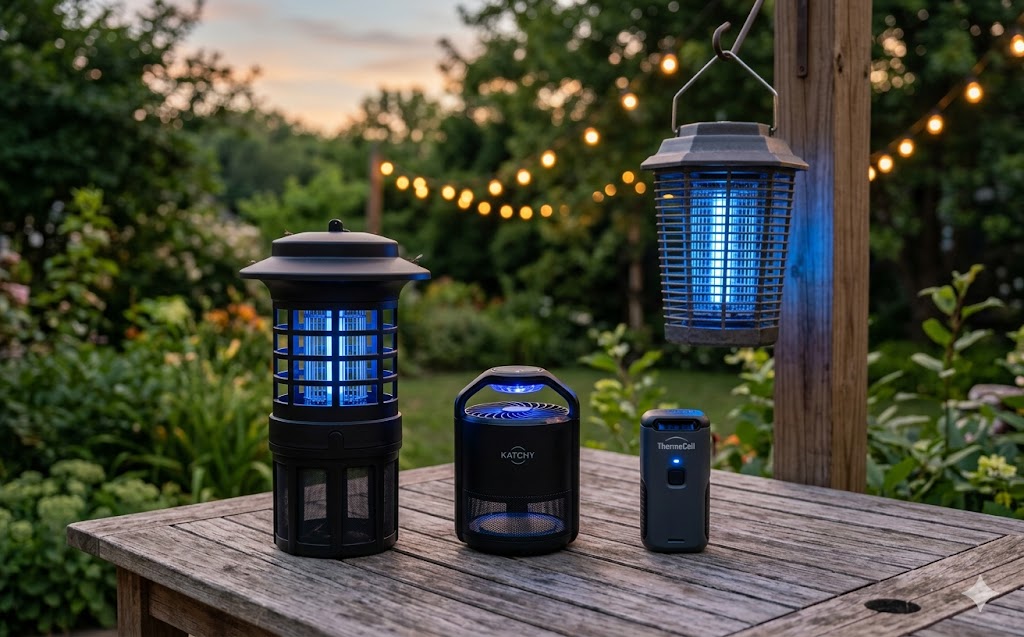
Traps can help when you choose the right type for the location: indoor bites, patio protection, garages, large yards, or daytime tiger mosquitoes. They work best as part of a layered plan, not as the only mosquito control step.
If the problem keeps coming back
If you have eliminated standing water, used repellents, and still cannot use the yard, the source may be larger than one patio or one product can handle. This is when professional mosquito control can be worth comparing.
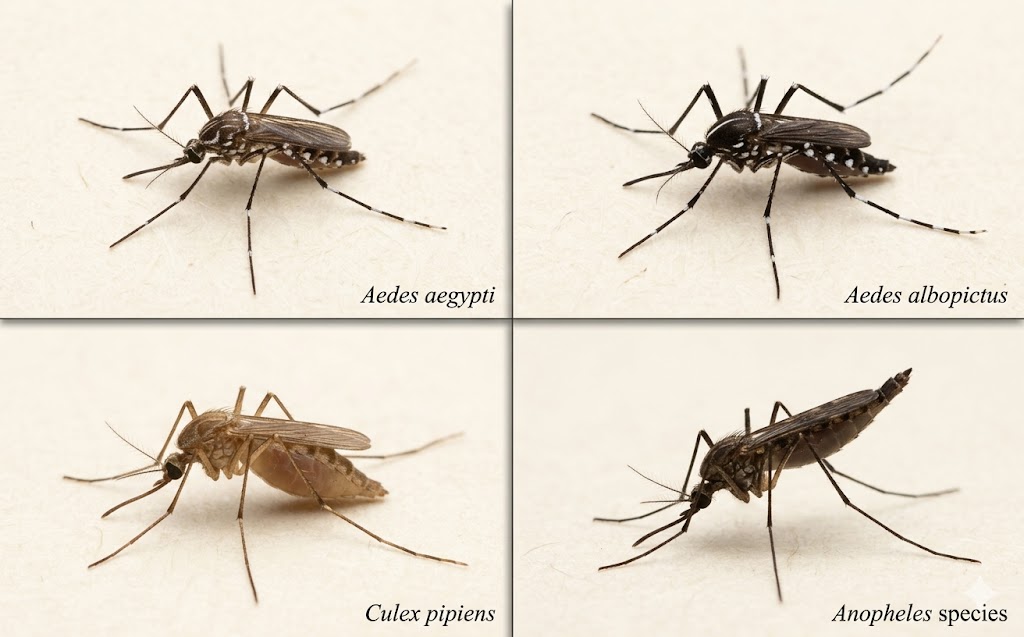
Common Mosquito Species in the US

The United States has many mosquito species, but only a smaller group regularly affects homeowners. Knowing the general type of mosquito can help you understand when it bites, where it breeds, and which control method is most likely to help.
Aedes aegypti (Yellow Fever Mosquito)
Small, dark mosquito with white markings on the legs. It bites mainly during the day, especially early morning and late afternoon. In the US, it is most associated with warmer southern areas and container breeding around homes.
Aedes albopictus (Asian Tiger Mosquito)
A black-and-white mosquito with striped legs. It is an aggressive daytime biter and often breeds in small containers, plant saucers, tires, buckets, and clogged gutters. This species is a common reason people feel bitten even when they are outside during the day rather than only at dusk.
Culex pipiens (Northern House Mosquito)
A pale brown mosquito that is less visually distinctive than Aedes mosquitoes. It bites mainly at dusk and after dark and is often associated with standing water, storm drains, containers, and backyard breeding sites.
Anopheles spp.
Anopheles mosquitoes tend to bite at night and may rest at an angle with the body tilted upward. They are less commonly the day-to-day homeowner issue than Aedes or Culex mosquitoes, but they are still part of the broader US mosquito picture.
Health Risks: What Diseases Do Mosquitoes Carry?
Mosquito bites are usually just itchy and irritating, but mosquitoes can spread germs that cause illness in some cases. In the US, risk varies by region, season, mosquito species, and local health department activity.
- West Nile virus – one of the better-known mosquito-borne disease concerns in the United States.
- Eastern equine encephalitis (EEE) – rare, but potentially severe.
- Dengue – more common in some territories and warmer regions, with occasional local concerns in parts of the southern US.
- Zika – less common in the continental US than in past outbreak years, but still relevant for travel and pregnancy-related precautions.
- La Crosse encephalitis – uncommon, with more regional relevance in parts of the Midwest and Appalachian areas.
Safety note: For current mosquito-borne disease updates and repellent guidance, check the CDC mosquito bite prevention guidance. For choosing a repellent by active ingredient and protection time, use the EPA repellent search tool.
Mosquito Season by US Region
Mosquito activity follows warmth, humidity, rainfall, and available breeding water. In general, mosquitoes become more active when nights stay warm and breeding sites remain wet.
- Southern states: Long season, sometimes nearly year-round in the warmest areas, with heavy pressure from spring through fall.
- Southeast and Mid-Atlantic: Often active from spring into late fall, with peak pressure in warm, humid months.
- Midwest: Most noticeable from late spring through early fall, especially after rain and during humid periods.
- Northeast: Usually strongest from late spring through summer and early fall.
- Mountain West: Often tied to snowmelt, irrigation, and local water sources.
- Pacific Northwest: Usually milder than the Southeast, but still active around standing water and shaded areas in warm months.
Because local conditions matter so much, the best practical rule is simple: if you see standing water and regular bites, treat the breeding source before buying more repellent.
Why Mosquitoes Bite
Only female mosquitoes bite. They use blood meals to develop eggs. Mosquitoes find people through a mix of carbon dioxide, body heat, odor compounds, moisture, and visual contrast.
Some people seem to get bitten more than others because of factors like body heat, sweat chemistry, activity level, clothing color, and time spent outside during peak biting hours. You cannot control every factor, but you can reduce exposure by using EPA-registered repellents, wearing protective clothing, removing breeding water, and choosing the right yard-control method.
Prevention: How to Reduce Mosquitoes Around Your Home
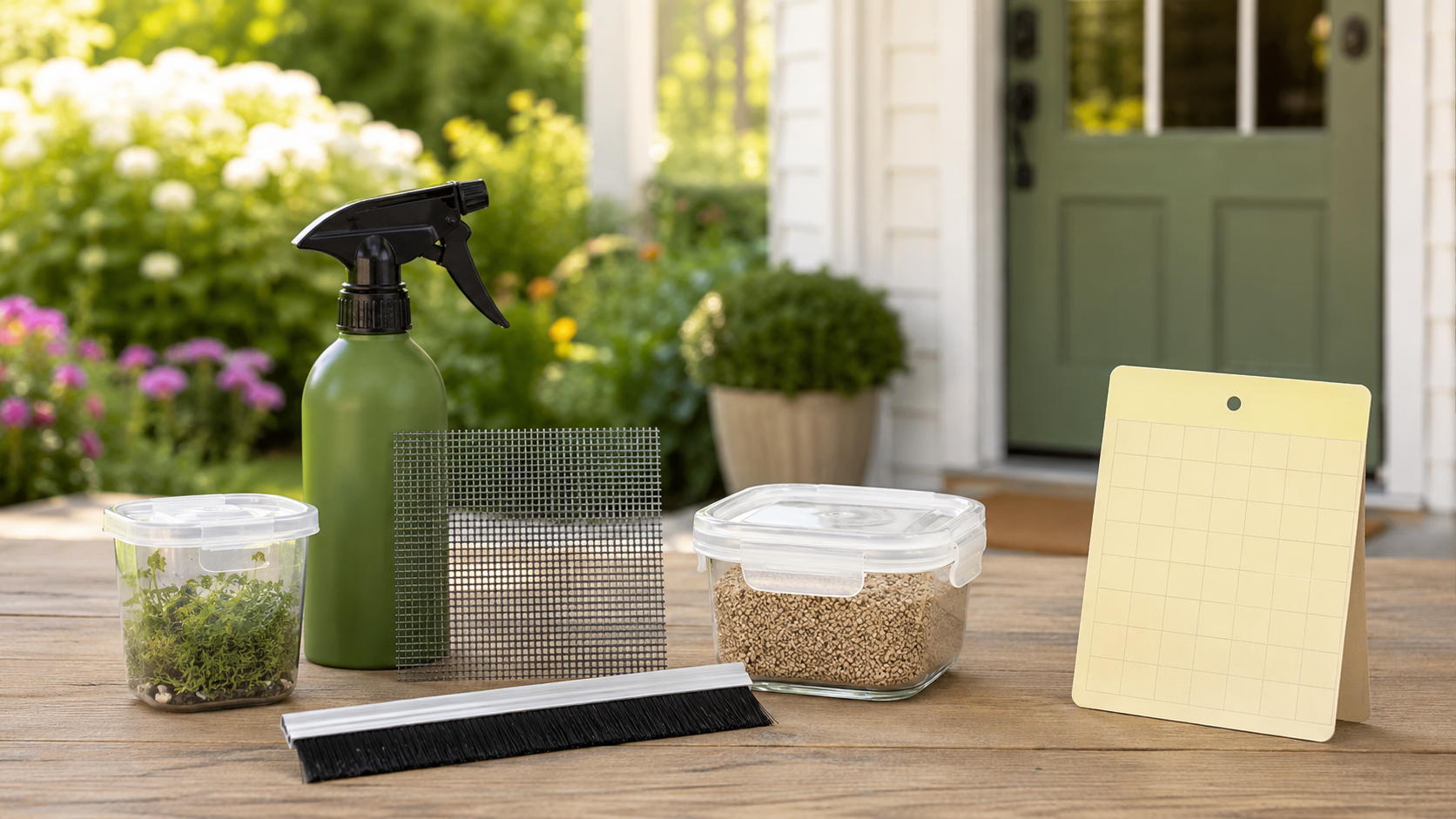
Personal repellent helps protect you from bites, but the strongest long-term mosquito control starts before mosquitoes hatch. Female mosquitoes lay eggs in standing water, and some species can use very small containers.
Eliminate standing water weekly
- Empty and scrub bird baths, plant saucers, pet bowls, buckets, and outdoor toys every 5-7 days.
- Clear leaves and debris from gutters so water does not sit there.
- Cover rain barrels with tight mesh screening.
- Fix leaking outdoor faucets, irrigation lines, and AC drip areas.
- Remove old tires, unused containers, and anything that catches rainwater.
- Use Bti mosquito dunks for ponds, rain barrels, or water features you cannot drain.
For products that target standing water, lawn edges, shaded vegetation, and yard-wide pressure, see our guide to the best mosquito killers for yards.
Reduce resting areas
- Keep grass trimmed, especially near patios, fences, and shaded seating areas.
- Thin dense shrubs and ivy where adult mosquitoes rest during the day.
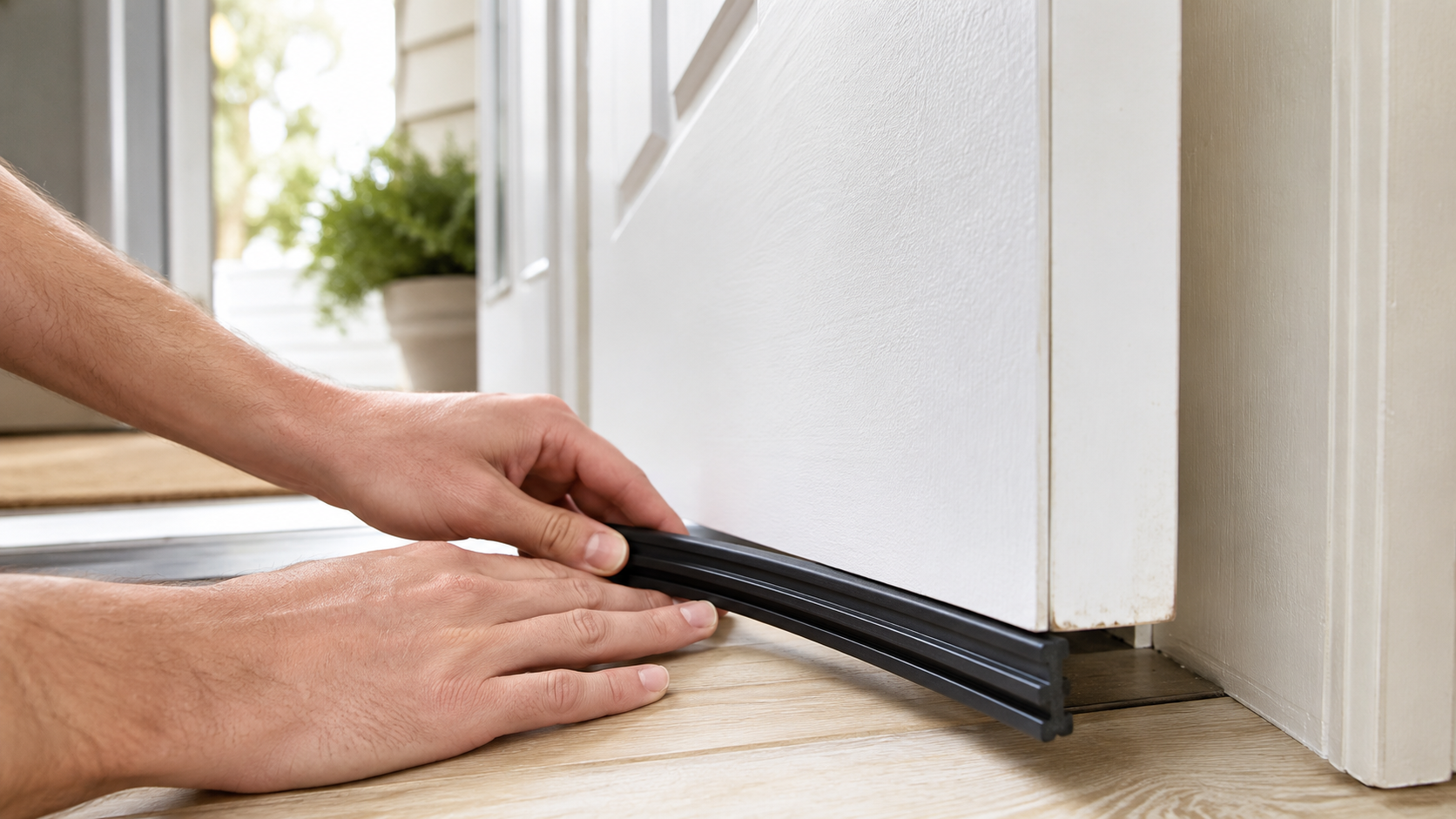
- Repair window and door screens.
- Use fans on patios when possible. Air movement makes it harder for mosquitoes to land.
Natural yard treatment option
Use Lawnbright when mosquitoes are coming from the yard itself
If mosquitoes stay active around shaded grass, damp landscaping, fence lines, or patio edges, personal repellent may not be enough. Lawnbright’s Organic Mosquito and Tick Control is a yard-treatment layer for homeowners who want a lower-toxicity outdoor option instead of mixing professional concentrates themselves.
Reader code: use PESTSGUIDE10 for 10% off your first Lawnbright purchase.
Personal Repellents: What Actually Works
For skin protection, the CDC recommends using EPA-registered insect repellents. Common active ingredients include DEET, picaridin, IR3535, oil of lemon eucalyptus, PMD, and 2-undecanone when used according to the product label.
- Picaridin – a strong everyday choice for many homeowners because it is effective and less harsh-feeling than DEET for some users.
- DEET – long-studied and useful for high-pressure mosquito exposure.
- Oil of lemon eucalyptus / PMD – plant-derived options, but CDC guidance says not to use products containing OLE or PMD on children under 3 years old.
- IR3535 and 2-undecanone – other EPA-registered active ingredients found in some repellent products.
Always follow the product label. For children, do not apply repellent to hands, eyes, mouth, cuts, or irritated skin. Adults should apply repellent to their own hands first, then apply it to a child’s face.
For product comparisons and use cases, see our full guide: Best Mosquito Repellent 2026: 7 Picks Compared.
Yard Mosquito Control Options
If mosquitoes are not just biting you but staying active across the yard, you may need yard-level control. The best option depends on the source.
- Standing water: use Bti mosquito dunks or remove the water source.
- Grass and shrubs: consider yard sprays, granules, or a lower-toxicity yard-treatment plan.
- Patio pressure: combine personal repellent with a spatial repeller or trap placement away from seating.
- Large or wooded properties: DIY products may help, but professional treatment can be more practical.
For a detailed comparison of sprays, granules, dunks, foggers, natural options, and professional alternatives, go to Best Mosquito Killer for Yard.
Do Mosquito Traps Help?
Mosquito traps can help in the right setting, but they are not magic. A trap for a bedroom is different from a trap for a patio, a garage, a large yard, or daytime Aedes mosquitoes. Traps work best when you also remove standing water and reduce resting areas.
- Indoor bites: use indoor flying insect traps for kitchens, bedrooms, or houseplant areas.
- Patio sitting: use a spatial repeller near people and place traps away from seating.
- Large yard pressure: outdoor traps may help reduce adult mosquitoes over time.
- Daytime tiger mosquitoes: species-targeted traps may be more useful than basic light traps.
For product-by-situation recommendations, see Best Mosquito Traps 2026: Indoor & Outdoor Options Compared.
When to Call a Pest Control Professional
DIY repellents and yard prevention solve many homeowner mosquito problems. But there are situations where professional mosquito control is worth comparing.
- Persistent activity after prevention: you removed standing water and used repellents, but the yard is still not usable.
- Large property: properties over 1 acre can be difficult to treat evenly with DIY tools.
- Wooded or wetland-adjacent property: the breeding source may be outside your control.
- Outdoor event: weddings, parties, and business events often need short-term professional treatment.
- Local disease concern: follow local health department guidance if mosquito-borne disease activity is reported nearby.
When the yard is still not usable
Get free mosquito control quotes from licensed pros near you
If you have removed standing water, used repellents, and still cannot enjoy your outdoor space, professional mosquito treatment may be worth comparing. Through Angi, you can describe your property and get matched with local pest control companies. Quotes are free, with no obligation to hire.
Free, no obligation | Local licensed pros | Takes about 60 seconds
Common Mosquito Myths
“Garlic and B vitamins repel mosquitoes from the inside out”
There is no good reason to rely on garlic or vitamin supplements as mosquito protection. Use proven repellents and physical prevention instead.
“Bug zappers control mosquito populations”
Bug zappers kill some mosquitoes, but they also kill many non-target insects. They should not be your main mosquito-control plan.
“Citronella candles work as well as repellent”
Citronella may help a little very close to the candle, but it does not replace skin repellent, yard prevention, or targeted control.
“Mosquitoes only bite at dusk”
Some mosquitoes bite most at dusk or night, but Aedes mosquitoes often bite during the day. If you get bitten in daylight, do not assume dusk-only control will solve the problem.
Final Thoughts
The right mosquito strategy depends on the source of the problem. If mosquitoes are biting you during outdoor activity, start with personal repellent. If they are coming from the yard, remove standing water and compare yard-control options. If you need a lower-toxicity outdoor treatment, Lawnbright may fit. If you want to reduce adult mosquitoes over time, compare traps. If the problem keeps coming back after prevention, compare professional mosquito control quotes.