Rats

Last Updated: July 2026. This guide is for US homeowners who have confirmed rats or strong signs of rat activity and need a practical first plan: what to buy, where to place it, and when DIY control is no longer enough.

Rats are not a problem you want to “watch for a while.” If you have rat droppings, scratching in walls or ceilings, chewed garage storage, burrows near the foundation, or a rat sighting during the day, the right next step is not more general pest spray. You need rat-sized traps, food-source cleanup, and entry-point exclusion working together.

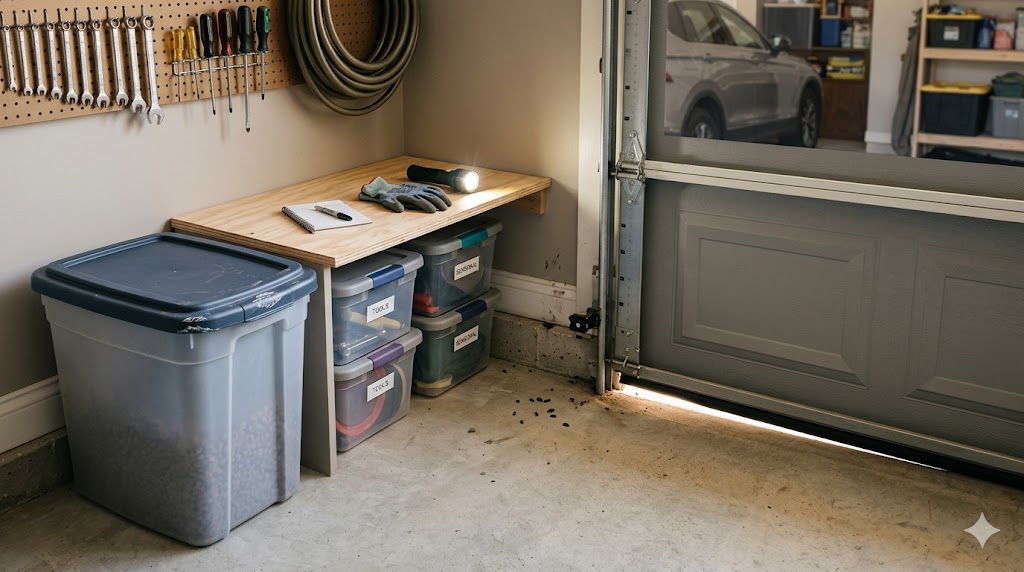
rat infestation signs near a home

Quick Answer: What to Do First If You Have Rats

For a small indoor or garage rat problem, start with multiple rat-sized snap traps along walls and runways. Do not use mouse traps for rats. They are usually too small, too weak, and more likely to miss or injure the animal.

  • Buy rat traps, not mouse traps. Use several at once, not one lonely trap in the middle of the room.
  • Place traps where rats travel. Along walls, behind appliances, beside garage edges, near attic access points, and close to droppings.
  • Remove the food source. Pet food, birdseed, trash, compost, and garage storage are common reasons rats stay.
  • Seal entry points after activity drops. Trapping without exclusion only makes room for the next rat.
  • Escalate if you see daytime rats, many droppings, strong odor, or chewed wiring. Those signs can mean a larger colony or a safety problem.

PestsGuide.com earns from qualifying purchases through affiliate links. Prices and availability change frequently.

Best First Purchases for Rat Control

If you are trying to solve a real rat problem, the first purchase should be boring and practical: rat-sized traps, enough units to cover runways, and entry-point materials for later sealing. Repellent pouches, ultrasonic devices, and general bug spray should not be your main plan for active rats.

Budget Pick – Multi-Pack Value

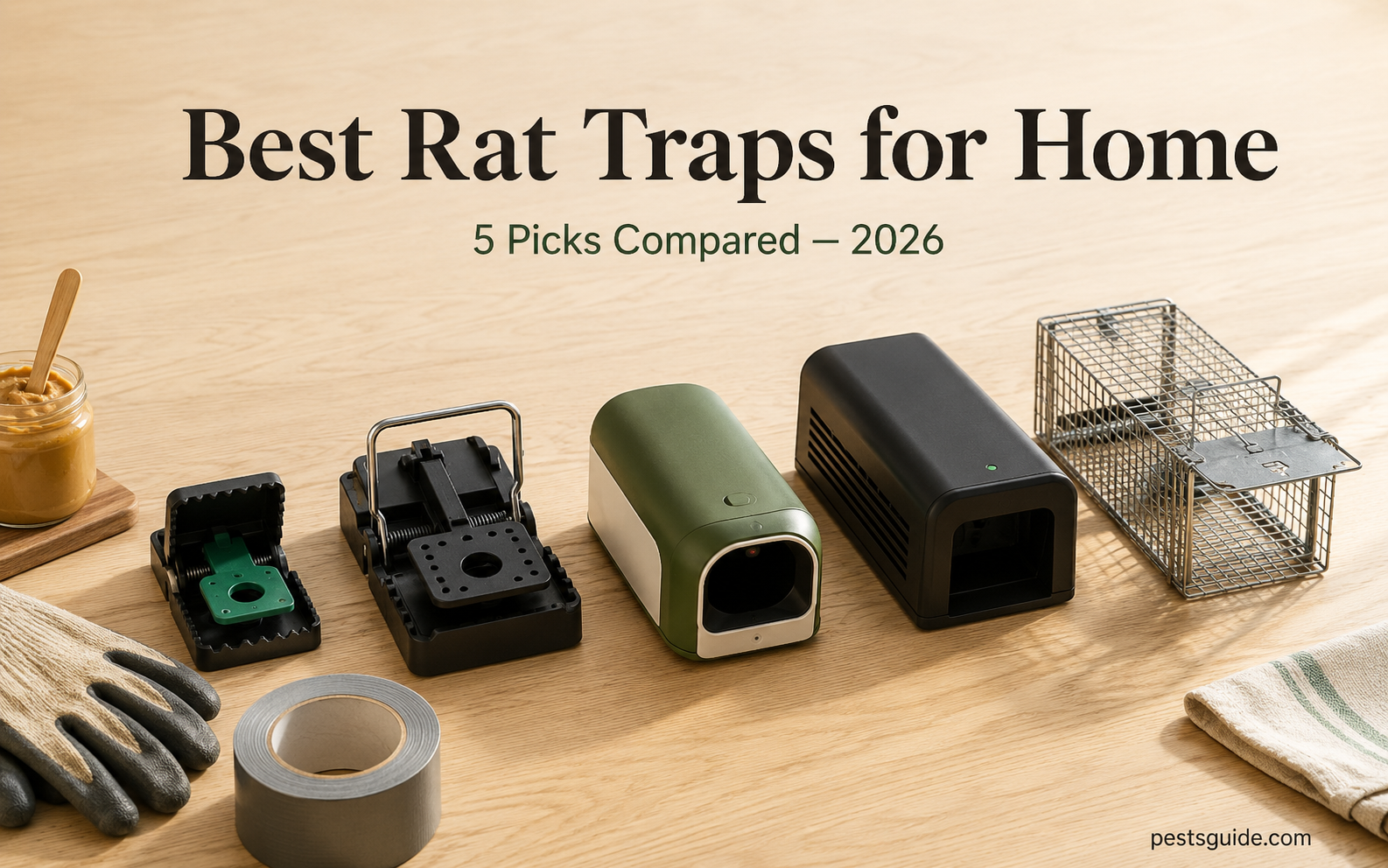
Tomcat Rat Snap Trap (8-Pack)

This is the practical starter option when you need several traps at once. Rats often avoid a single new object, so a multi-pack lets you place traps along multiple runways: garage walls, behind appliances, attic paths, and near droppings.

Check Tomcat Rat Trap on Amazon →

Best Standard Pick – Strong Snap Trap

Victor M326 Power-Kill Rat Trap (6-Pack)

Victor rat traps are a good fit when you want a stronger reusable trap with a larger trip pedal. Use them in pairs or groups along walls, with the bait side facing the wall where rats naturally travel.

Check Victor M326 on Amazon →

Premium Pick – Self-Resetting

Goodnature Smart Trap (Bluetooth Connected)

This is the higher-cost option for garages, sheds, outbuildings, and properties you do not want to check every day. The self-resetting design is useful when activity is repeated, but it should still be paired with cleanup and exclusion.

Check Goodnature Smart Trap on Amazon →

How to Tell If It Is Rats, Not Mice

Rats and mice need different tools. If you buy mouse products for a rat problem, you can waste time while damage continues.

SignMore Likely RatsMore Likely Mice
DroppingsLarger, capsule-shaped, often near garage walls, attic paths, or food storageSmall, rice-like pellets near cabinets, drawers, and kitchen edges
NoiseHeavier thumps or dragging sounds in walls, attic, crawlspace, or garageLight scratching, often behind cabinets or inside walls
DamageLarger gnaw marks, damaged storage, chewed wiring, burrows outsideSmall food-package holes, shredded nesting material, tiny entry gaps
ToolsRat traps, larger bait stations where appropriate, stronger exclusion materialsMouse snap traps, multi-catch traps, smaller exclusion gaps

If the signs point to mice instead, use the mice guides instead of buying rat products. Start with best mouse traps, mouse poison options, or the location guide for mice in the garage.

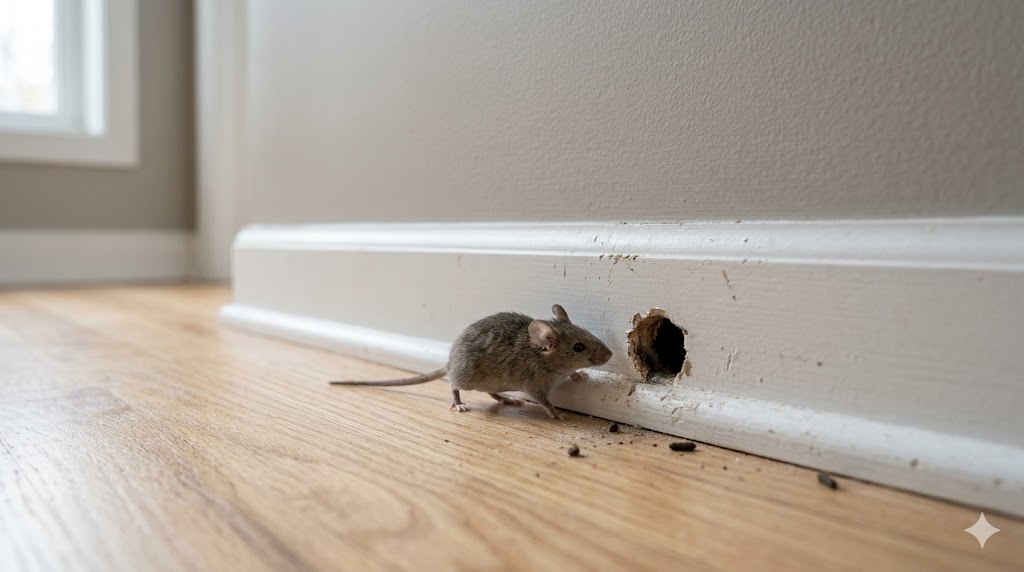
rat near a home entry area

Where to Start by Location

The best rat control plan depends on where you see activity. Use the location first, then choose the tool.

Rats in the Garage

Garages often attract rats because they combine shelter, clutter, pet food, birdseed, trash, and door gaps. Place rat traps along the wall edges, behind stored items, near the garage door track, and close to droppings. Move pet food and birdseed into sealed containers before you expect traps to work well.

For a detailed garage plan, see rats in the garage.

Rats in the Attic or Ceiling

Attic rats are often roof rats using tree branches, roof edges, vents, or utility openings. Listen for heavier nighttime movement, inspect attic insulation for tunnels and droppings, and place traps along beams or travel paths where they are stable and reachable.

If the sound is lighter and the droppings are small, compare with mice in the attic.

Rats Around the Foundation

Burrows near the foundation, under decks, around sheds, or beside trash areas point to an outdoor source. Remove food and harborage first, then trap along travel paths. Do not seal a suspected active burrow into the structure until you understand where rats are entering and leaving.

Rats in Walls

Rats inside walls can mean they are entering from the attic, crawlspace, garage, or exterior gaps. Set traps where you can safely access their travel route rather than opening walls first. If the sound is light scratching and droppings are small, use the mice in walls guide for a mouse-specific plan.

How to Place Rat Traps So They Actually Work

Rats are cautious. A trap placed in open floor space is easy for them to avoid. Placement matters more than brand.

  1. Use several traps at once. Two traps is usually too few for an active problem. Start with a multi-pack and cover the runways.
  2. Place traps along walls. Put the trigger side toward the wall, because rats usually travel with one side of their body close to an edge.
  3. Use small bait amounts. Peanut butter, nut butter, oats, dried fruit, or a tiny piece of pet food can work. Too much bait can let a rat feed without setting the trap.
  4. Do not move traps too quickly. Rats may avoid new objects at first. If the location has droppings or rub marks, give the trap time.
  5. Check traps daily. Wear gloves, bag carcasses securely, and disinfect surfaces after removal.

What Not to Buy First

Some products can be useful in limited situations, but they should not be the first line of defense for an active rat problem.

  • Mouse traps: too small for adult rats and more likely to fail.
  • Repellent pouches: may change movement briefly, but they rarely remove a food-backed infestation.
  • Ultrasonic repellers: not reliable enough as a stand-alone rat solution.
  • General insect spray: not a rodent control tool.
  • Loose poison indoors: risky around pets and children, and dead rats can create odor problems inside walls or attics.

Entry Points to Check Before You Seal

Trapping reduces current activity. Exclusion stops the next wave. Check these places after you have started trapping and can tell where rats are moving.

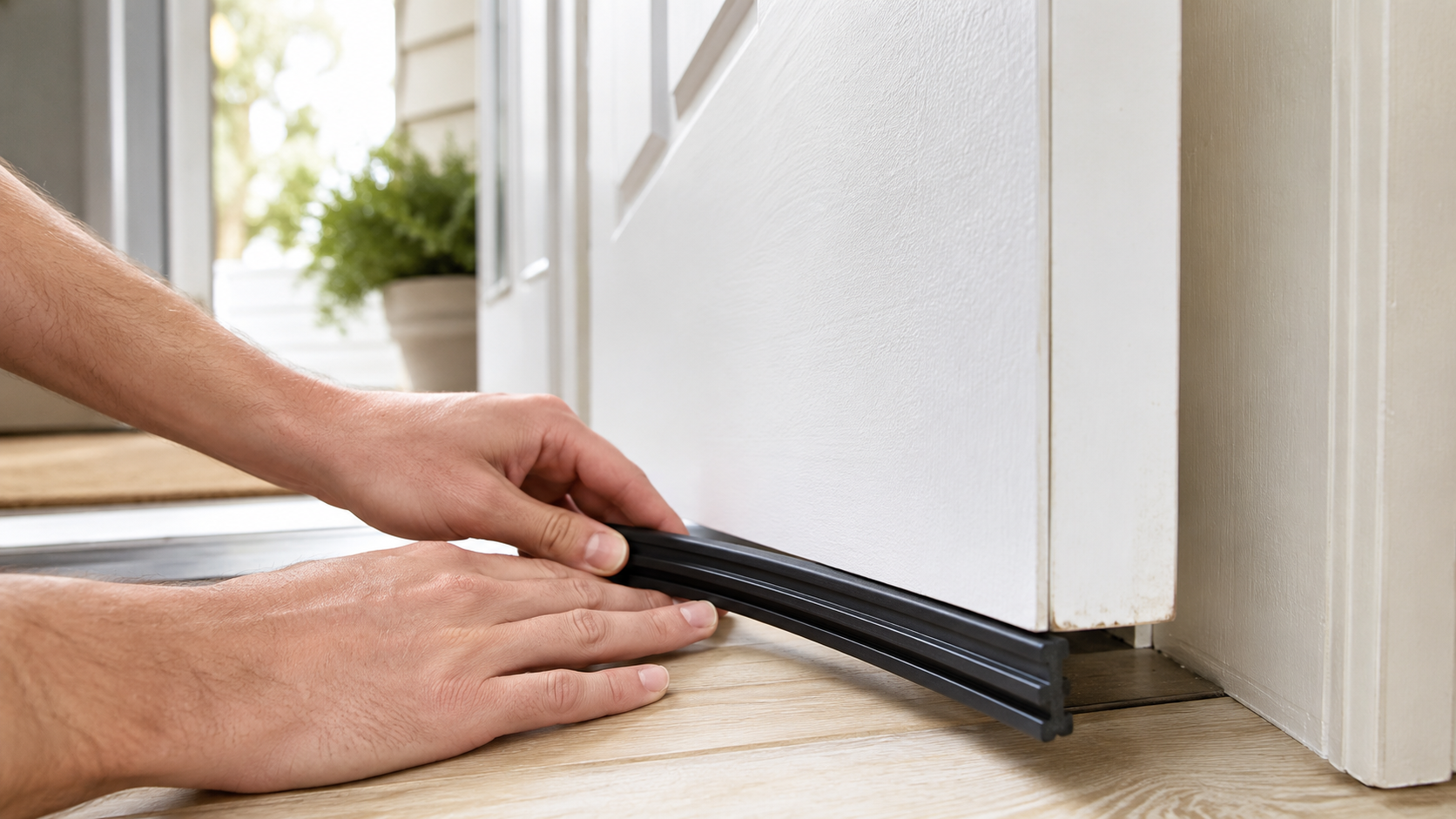
rodent prevention around a home exterior

  • garage door corners and bottom seals
  • gaps around pipes, utility lines, and HVAC penetrations
  • crawlspace vents and foundation openings
  • roofline gaps, soffit openings, and attic vents
  • spaces under sheds, decks, and exterior steps
  • trash, compost, birdseed, pet food, and fallen fruit areas

For broader exclusion work, use the entry-point checklist in pest control barriers for doors, windows, vents, and gaps.

When DIY Rat Control Is Not Enough

DIY rat control can work when activity is small, recent, and easy to access. It becomes much riskier when rats are established in hidden spaces or causing electrical and sanitation problems.

Do not rely on traps alone if you see these signs

  • rats seen during the day
  • droppings in several rooms or levels of the home
  • strong urine odor or contaminated insulation
  • chewed wiring, vehicle wiring, or appliance wiring
  • burrows around the foundation plus indoor sounds
  • trap activity that continues for more than two weeks without dropping

In those cases, the important thing is not a quote button. It is a complete plan: identify the species, remove food sources, trap or bait safely, clean contaminated areas, and seal the access points. If wiring is damaged, involve the appropriate repair professional before using the area normally.

Frequently Asked Questions

What is the best first product to buy for rats?

For most homeowners, the best first purchase is a multi-pack of rat-sized snap traps. Place several along walls and runways instead of relying on one trap or mouse-sized products.

Can mouse traps catch rats?

Small mouse traps are not a good choice for rats. Adult rats are larger and stronger, so undersized traps can miss, injure, or simply be avoided.

Where should I put rat traps?

Place rat traps along walls, behind stored items, near droppings, beside garage edges, along attic paths, or close to known travel routes. The baited trigger side should usually face the wall.

Is poison better than traps for rats?

Poison can be useful in some outdoor or secured bait-station situations, but it is not always the safest first choice indoors. Traps give you more control over removal and reduce the risk of dead rats inside walls.

How long does it take to get rid of rats?

A small, recent problem may improve within days after traps and food cleanup are in place. Larger or hidden infestations can take multiple weeks because trapping, sanitation, and exclusion all have to work together.

Related Reading

RECOMMENDED