
Mouse Control Hub
Mice in Your Home? Signs, Traps, and Long-Term Prevention
Mice can squeeze through a gap the width of a pencil, contaminate food, chew wires, and keep coming back if entry points are not sealed. Start here: identify the signs, pick the right method for your situation, and jump into the guide that fits your problem.
Quick Answer: Best Mouse Traps for Homeowners
If you have active mouse activity, traps are usually the fastest first step. Use multiple traps along walls, behind appliances, near droppings, and close to entry points — then combine trapping with cleanup and sealing.
| Best For | Product | How It Helps | Best Use |
|---|---|---|---|
| Budget Multi-Pack | Victor M150-12 Easy Set Mouse Trap | Classic snap traps for placing several traps along mouse travel routes. | Basements, garages, kitchens, and active trails. |
| No-See, No-Touch | Victor M250 Electronic Mouse Trap | Enclosed electric trap with indicator light and easier disposal. | Kitchens, bedrooms, offices, and low-contact cleanup. |
| Live-Catch Option | Humane Mouse Traps No Kill | Reusable live-catch traps that require frequent checking and release planning. | Homeowners who prefer catch-and-release methods. |
Want to compare more options? Read our full guide: Best Mouse Traps for Home Use →
Prices and availability change frequently — click through to Amazon for current pricing. PestsGuide.com earns from qualifying purchases as an Amazon Associate.
Start Here: What Kind of Mouse Problem Do You Have?
Pick the situation that matches yours — each card leads to the guide that solves it fastest.
Hearing mice in walls?
Wall and ceiling activity needs careful trap placement and sealing at the right time.
Want lower-risk options?
Natural remedies and repellents may help in limited situations, especially with prevention.
Mice in attic or garage?
Storage areas need cleanup, trap placement, and entry-point sealing.
Mice in your car?
Vehicle problems need special attention because mice can damage wiring and insulation.
Mice keep coming back?
Recurring activity usually means gaps, vents, door sweeps, or utility openings are still open.
Signs of Mice Infestation
Mice are usually nocturnal, so you may not see them directly at first. Instead, look for droppings, gnaw marks, sounds, odors, and repeated activity in the same hidden areas.
Signs Inside the Home
- Droppings: small, dark, pellet-shaped, about the size of a grain of rice — near food storage, under sinks, along baseboards.
- Gnaw marks: chewed cardboard, plastic, wood, wires, and insulation. Fresh marks look lighter than old damage.
- Shredded nesting material: paper, fabric, and insulation carried to hidden corners.
- Grease marks and runways: faint rub marks along walls and baseboards from repeated travel.
- Scratching or scampering sounds: noises in walls, ceilings, or attics — usually at night.
- Unusual pet behavior: cats or dogs sniffing and pawing the same wall or cabinet gap.
- Seeing a mouse: one mouse usually means more nearby — especially if seen during the day.
Signs Outside the Home
- Small gaps near the foundation: openings around siding, vents, doors, pipes, and utility lines.
- Burrows or pathways: small holes in soil near the foundation, under sheds, or under garden debris.
- Droppings near storage: patios, sheds, garages, trash areas, birdseed containers, pet food.
- Gnaw marks on outdoor items: garden furniture, storage bins, bags of seed, garage clutter.
- Protected runways: dense vegetation, stacked firewood, and clutter near the foundation.
How Do Mice Get Into Your Home?
A mouse can squeeze through a gap about one-quarter of an inch — roughly the width of a pencil. Once inside, mice follow edges, pipes, wall voids, and clutter to move between rooms.
- Foundation cracks: small gaps in concrete, siding, mortar, or exterior trim become regular entry points.
- Utility entry points: openings around plumbing, gas lines, electrical conduits, cable, and HVAC lines.
- Damaged weather stripping: worn door sweeps, garage door gaps, and loose seals.
- Unscreened vents: crawl space vents, roofline gaps, dryer vents, and attic vents.
- Garage and storage gaps: gaps combined with pet food, birdseed, grass seed, and cardboard storage.
If mice keep returning after you trap them, treat it as an entry-point issue. See our guide to pest control barriers for doors and windows.
All Mouse Guides
Filter by what you need right now: choosing traps, tackling a specific location, using humane methods, or sealing entry points.
Traps
Best Mouse Traps for Home Use
Snap, enclosed, electric, and live-catch traps compared for real-world use.
Traps
Best Electric Mouse Traps
Enclosed, no-see-no-touch electric traps for kitchens, bedrooms, and offices.
Traps
Mouse Bait & Rodenticide Options
A safety-focused comparison — when bait makes sense, and when it doesn’t.
Traps
Best Ultrasonic Rodent Repellers
Repellers for mice and rats — where they help, where they don’t.
By Location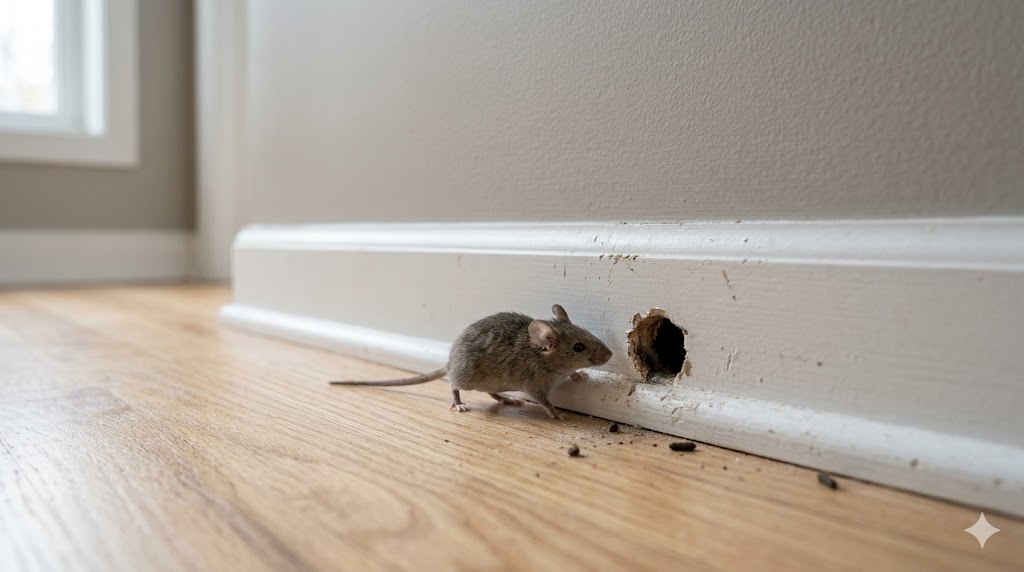
Mice in Walls & Vents
Trap placement, timing, and what NOT to seal too early to avoid dead-mouse odor.
By Location
By Location
By Location
Keep Mice Out of Your Car
Chewed wiring and insulation are expensive — how to catch it early and prevent it.
Humane
Get Rid of Mice Without Killing Them
Live-catch traps, exclusion, and responsible release — 7 methods that actually work.
Humane
Best Natural Remedies for Mice
Peppermint oil, scent sprays, and other low-risk options — when they help.
Prevention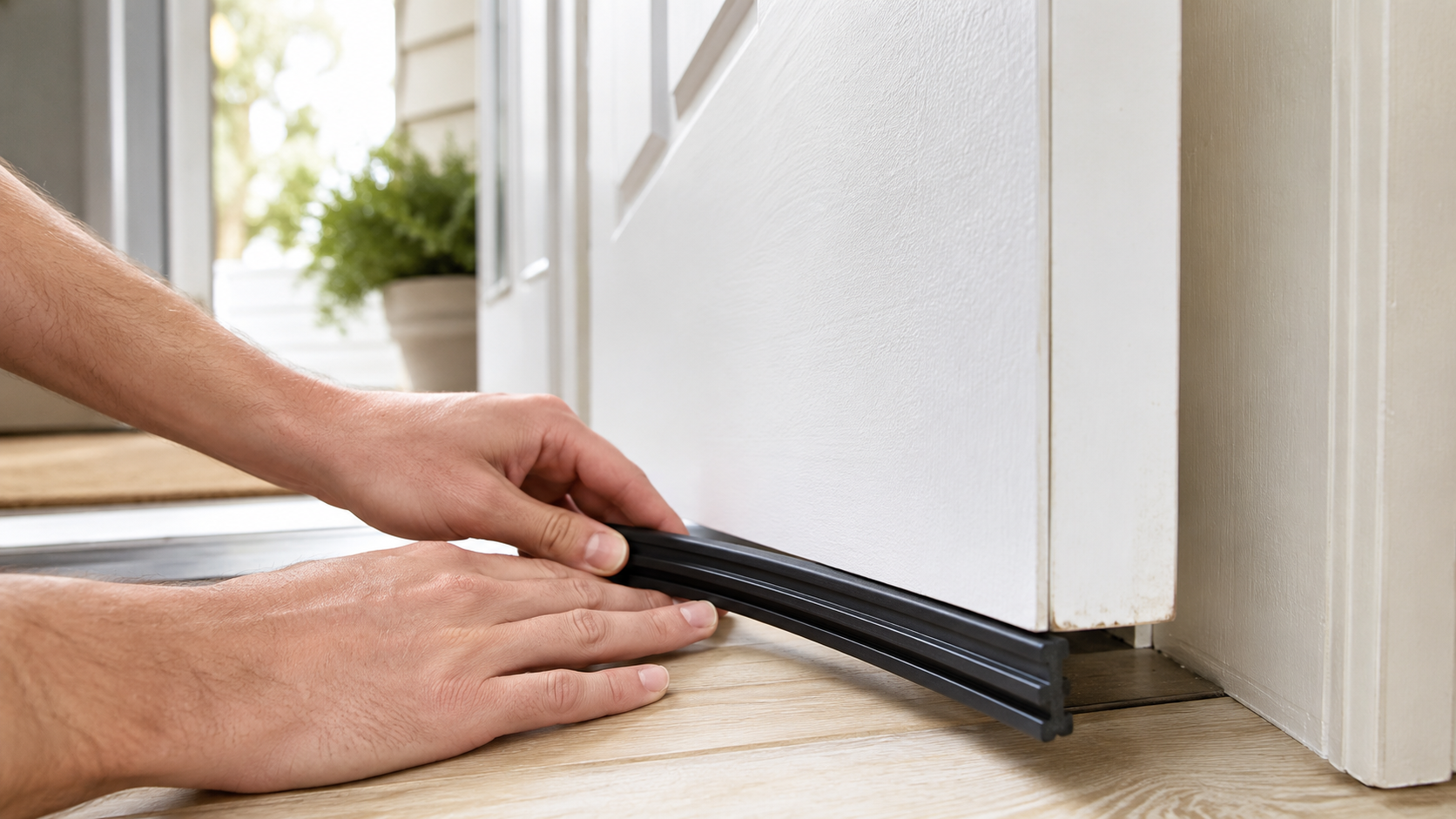
Best Pest Control Barriers
Door sweeps, vent covers, copper mesh, sealants — the exclusion toolkit.
Prevention
Pest Control for Renters
Shared walls, landlord duties, and what you can safely do yourself in a rental.
Prevention
Best Pest Control Services
When DIY isn’t enough — how to compare pros and what to expect from a visit.
No guides in this category yet.
When DIY Mouse Control May Not Be Enough
Consider a pro when…
You keep catching mice but new droppings appear every few days, you hear activity in walls or ceilings, you suspect wiring damage, or you can’t locate the entry points. Recurring activity usually means hidden entry points, nesting areas in walls, or a food source that hasn’t been removed. Start with the mice-in-walls guide → or compare professional pest control options →
Quick Test: Mouse or Rat?
Found droppings or heard scratching but not sure what you’re dealing with? Answer three quick questions — the treatment plan differs a lot depending on the answer.
Question 1 of 3
Result
Mouse Control FAQ
How small a gap can a mouse squeeze through?
About one-quarter of an inch — roughly the width of a pencil. That’s why sealing entry points matters as much as trapping. Focus on gaps around pipes, vents, door sweeps, and utility lines.
Which mouse trap actually works best?
For most homes, classic snap traps (like the Victor M150) placed in multiples along walls catch mice fastest. Electric traps are cleaner to dispose of. Live-catch traps work only if you check them frequently and release far from the house. Ultrasonic repellers rarely solve an active infestation on their own.
Should I use mouse poison indoors?
Cautiously, if at all. Poisoned mice can die inside wall voids and create serious odor problems, and loose bait is risky around children and pets. Traps and exclusion are usually safer first steps. If you do use rodenticide, always use tamper-resistant bait stations.
Do ultrasonic repellers actually work?
Results are mixed. They may help discourage activity in some limited situations, but they don’t replace trapping, sanitation, and sealing gaps. Treat them as a supporting tool, not a main plan.
Why do mice keep coming back after I catch them?
Because the entry point is still open, or there’s still a food source they can reach. Recurring activity means gaps around pipes, vents, door sweeps, or utility openings need to be sealed. Trapping without exclusion is a losing battle.