
Termite Control Hub
Termites: Identify the Species, Read the Damage, Choose the Right Treatment
Termites cause billions in structural damage every year — and by the time you notice them, they’ve usually been feeding for months. Start here: figure out which of the five major species you’re dealing with, learn the early warning signs, then jump into the detailed guide that fits your situation.
What Do Termites Look Like? The 5 Major Types
Worker termites look nearly identical across species — so identification relies on soldiers, swarmers, and nesting habits. Use this quick reference, then open the full guide for your suspect.
| Species | Key look | Habitat clue | Full guide |
|---|---|---|---|
| Subterranean | Dark-brown ½″ swarmers; soldiers with creamy body and dark rectangular head | Mud tunnels from soil to wood | Subterranean guide |
| Formosan | Golden-white ½″ swarmers with hairy bodies; aggressive oblong-headed soldiers | Massive colonies, fast damage | Formosan guide |
| Dampwood | Largest of the group (up to 25 mm), intense yellow body, brownish head | Moisture-rich, decaying wood | Types of termites |
| Drywood | Deep-brown head, light translucent body; swarmers with pigmented wing veins | Dry wood; discarded wings left behind | Drywood guide |
| Conehead | Golden-brown head to toe with a distinct cone-shaped head | Extremely aggressive, rapid spread | Types of termites |
All Termite Guides
Filter by what you need right now: identifying the pest, confirming an infestation, or getting rid of it.
Identification
Different Types of Termites
The complete breakdown of all five ecological groups, with photos and traits.
Identification
Drywood Termites
How to recognize drywood colonies that don’t need soil contact — and why they’re so sneaky.
Identification
Formosan Termites
The “super termite”: identification, damage patterns, and targeted treatment options.
Identification
Termite Swarmers (Alates)
Winged termites in your house usually mean a mature colony nearby. Identify and act.
Identification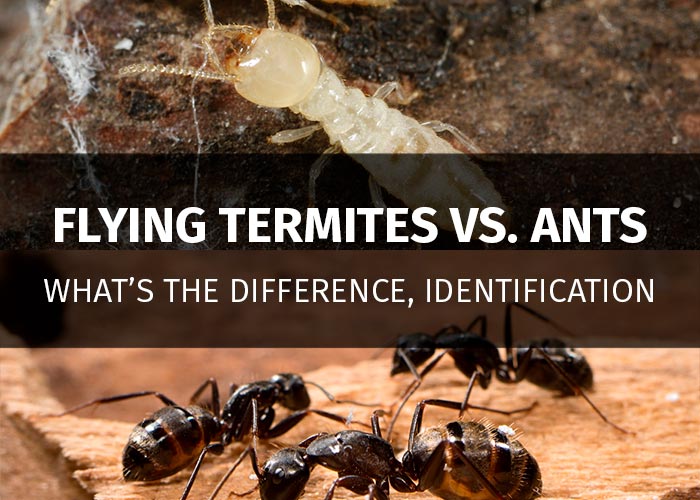
Flying Termites vs Flying Ants
Straight waist or pinched? Equal wings or unequal? The 30-second visual check.
Identification
Termite Eggs
What termite eggs look like, where the queen hides them, and what finding them means.
Identification
Termite Larvae
The nymph stage explained: molts, castes, and how a colony grows from egg to adult.
Signs of Damage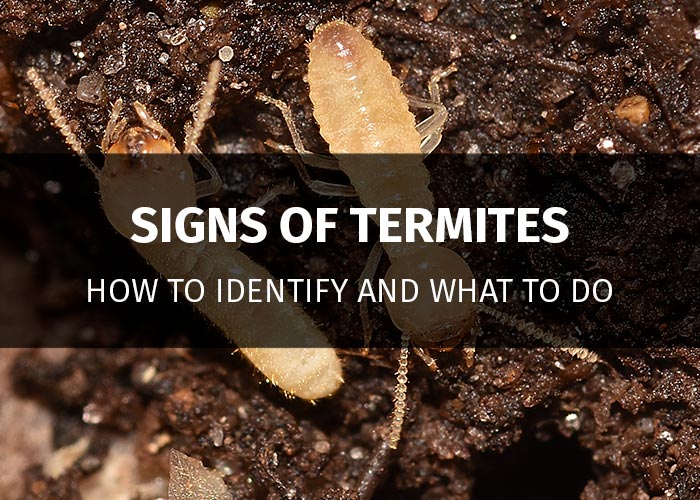
10 Signs of a Termite Infestation
From clicking walls to hollow wood — the checklist every homeowner should run yearly.
Signs of Damage
Termite Droppings (Frass)
That dark powdery pile near your baseboard? Here’s how to tell if it’s frass.
Signs of Damage
Termite Mud Tubes
The classic subterranean giveaway: pencil-width soil tunnels on foundations and walls.
Signs of Damage
Termite Damage
Papery, chewed-through wood and sagging structures: how bad it gets and how fast.
Signs of Damage
Termite Exit Holes
Tiny round “kick-out” holes in wood or drywall — what they mean and what to do next.
Signs of Damage
Termite Inspection & Cost
What a professional inspection covers, how often you need one, and what it costs.
DIY Treatment
How to Get Rid of Termites Forever
The master guide: every effective method ranked, from baits to barriers.
DIY Treatment
Best Termiticides
Liquid barriers and sprays compared: what actually kills the colony, not just workers.
DIY Treatment
Termite Bait Stations
Slow-acting baits that workers carry back to the colony — setup and best products.
DIY Treatment
Beneficial Nematodes
A natural, chemical-free option: microscopic worms that hunt termites in soil.
DIY Treatment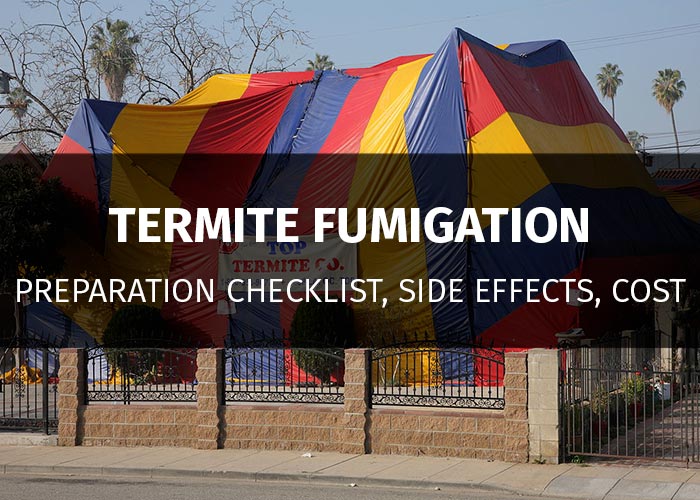
Termite Fumigation
Whole-house tenting explained: when it’s necessary, how it works, and what it costs.
DIY Treatment
Termite Foggers: Why You Should Never Use Them
Foggers kill surface bugs, not the colony — and can make an infestation harder to treat.
DIY Treatment
Termite Damage Repair
After the colony is gone: assessing structural damage and restoring the wood.
DIY Treatment
Why Do Termites Come Back After Treatment?
The most common reasons treatments fail — and how to make sure they don’t return.
No guides in this category yet.
Quick Test: Termite or Flying Ant?
Found winged insects in your home? Answer three questions about what you saw. This is the fastest way to know whether you have a termite emergency or just an ant nuisance.
Question 1 of 3
Result
Termite Control FAQ
Can I treat the house myself?
For small, localized colonies — yes. Natural methods like clearing mulch, exposing infested spots to sunlight, or applying beneficial nematodes work, and chemical sprays and bait stations offer faster results. Heavy or structural infestations should always be handled by professionals.
Which treatment method is most effective?
It depends on the species and how deep the infestation goes. Subterranean colonies respond well to soil termiticides and bait stations; drywood termites in isolated wood may need spot treatment or fumigation. For exposed wood, borate treatments soak in and protect long-term.
Is termite control always necessary?
Not always. Termites living away from your home and posing no invasion risk can be left alone — they’re valuable decomposers. But the moment they touch buildings or structures, they threaten structural integrity and must be controlled.
Why do termites come back after treatment?
Common causes include incomplete colony elimination, gaps in the chemical barrier, untreated moisture problems, and new colonies moving in from nearby.
How do I prevent termites in the first place?
Moisture control is everything. Keep spaces ventilated with good airflow, clean out gutters, and clear pooled water around the foundation. Keep firewood and timber away from the house, and schedule regular inspections.