Ants are one of the most persistent pests in US homes. A single foraging worker you spot on your kitchen counter is rarely alone — it’s a scout from a colony of thousands hidden somewhere in your walls, foundation, or yard. This guide covers the essentials: how to identify the species you’re dealing with, the best products that actually eliminate colonies (not just visible ants), and when professional help is worth it.
Quick Answer: Best Ant Killers for Home
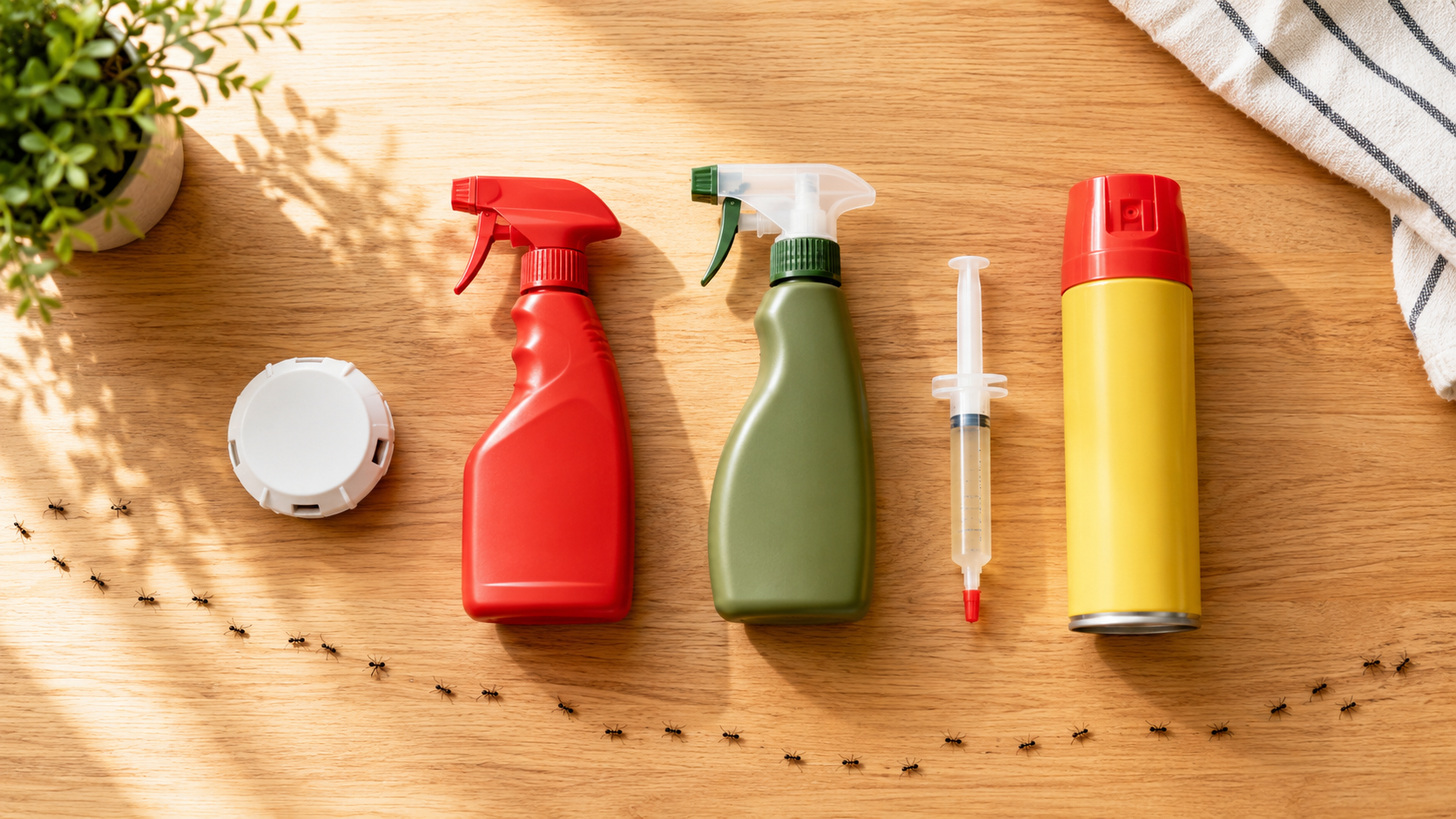
If you have an active ant problem, three products cover the most common situations — indoor colony elimination, perimeter protection, and pet-safe natural control:
Best Overall — Colony Kill
TERRO T300B Liquid Ant Bait Stations (12-Pack)
Borax-based liquid bait that worker ants carry back to the colony — kills the queen and entire nest within days. The #1 bestselling ant killer in the US.
Best Perimeter Spray — 12-Month Protection
Ortho Home Defense Insect Killer (Gallon + Wand)
Apply once around your home’s foundation — keeps ants and 130+ other insects out for up to 12 months. Comfort wand included for precise application.
Best Natural — Pet & Family Safe
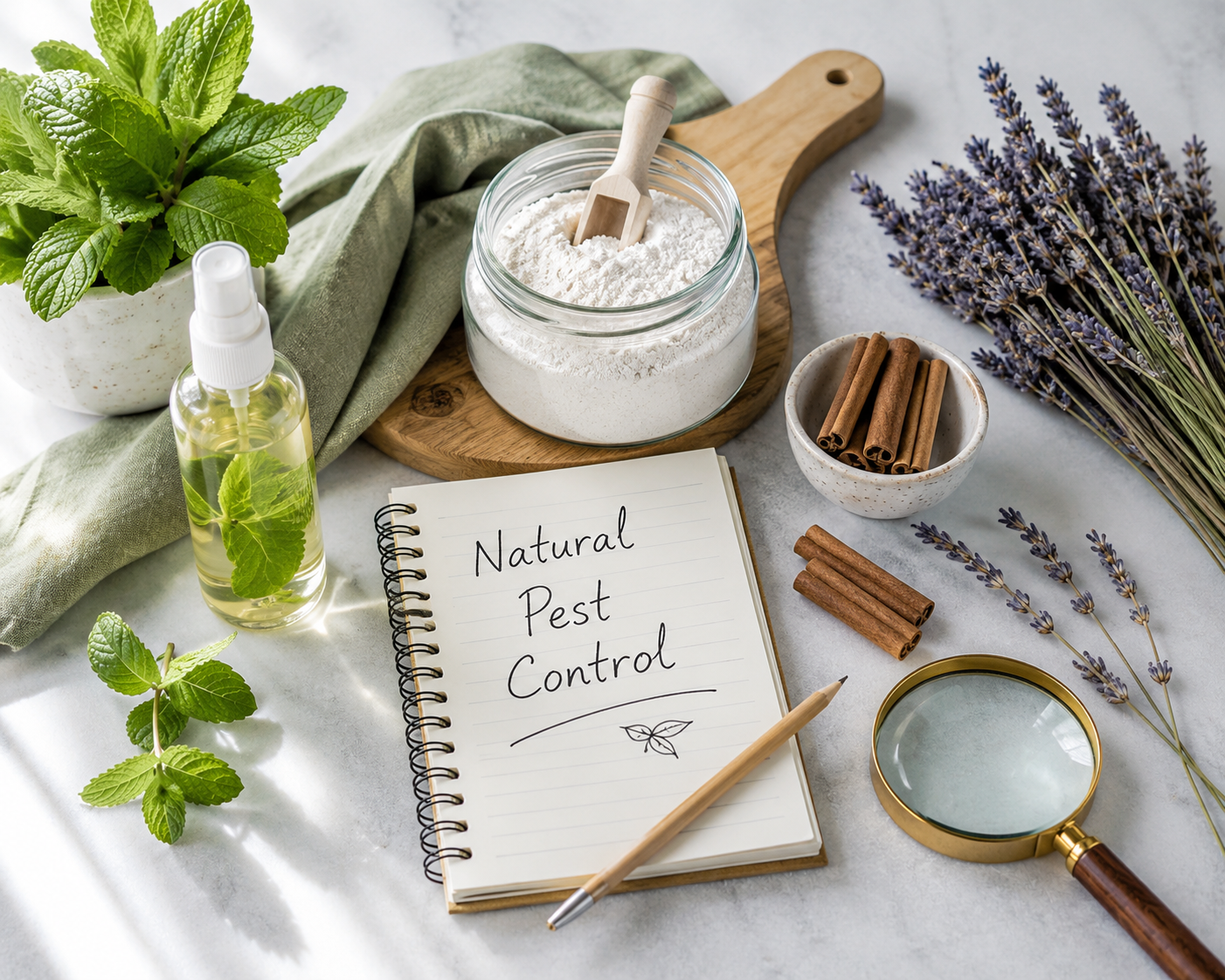
Mighty Mint Ant Killer and Repellent Spray
Plant-based peppermint formula that kills ants on contact and leaves a residual barrier. No synthetic pesticides — safe to use in kitchens, pantries, and around pet bowls.
For the full comparison of 6 top ant killers including bait stations, gels, sprays, and natural options, see our complete guide: Best Ant Killer for Home: 6 Products Compared (2026) →
How to Identify Common Household Ants
The right product depends on what kind of ant you’re dealing with. The most common species in US homes:
- Odorous house ants — small (1/8 inch), dark brown, leave a coconut-like smell when crushed. The most frequent indoor ant in the US. Attracted to sweets.
- Pavement ants — small, dark brown to black, often seen on driveways and patios. Nest in cracks in concrete. Indoor and outdoor.
- Argentine ants — light brown, form massive supercolonies. Common in California and the Southeast. Difficult to control because of multiple queens.
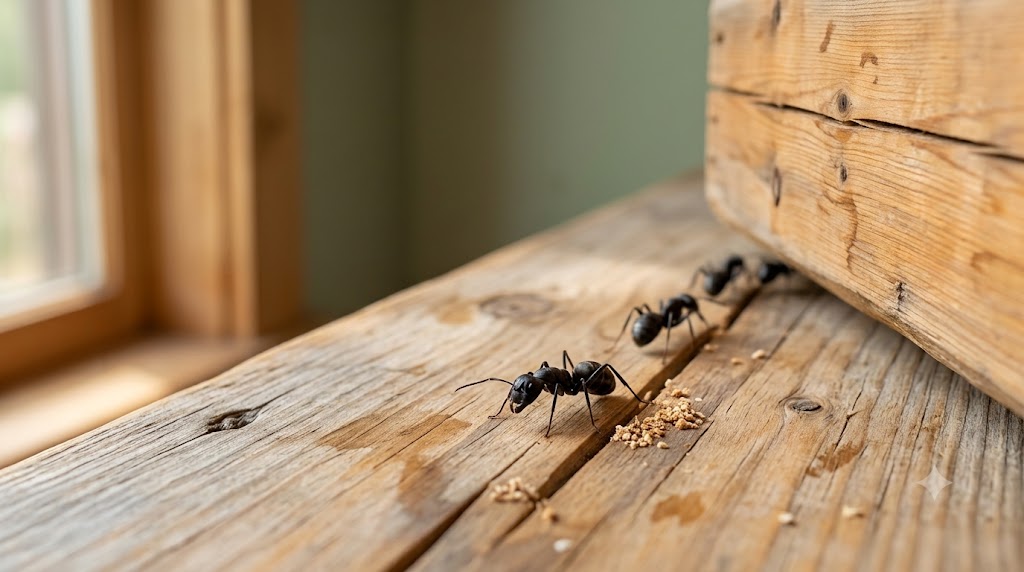
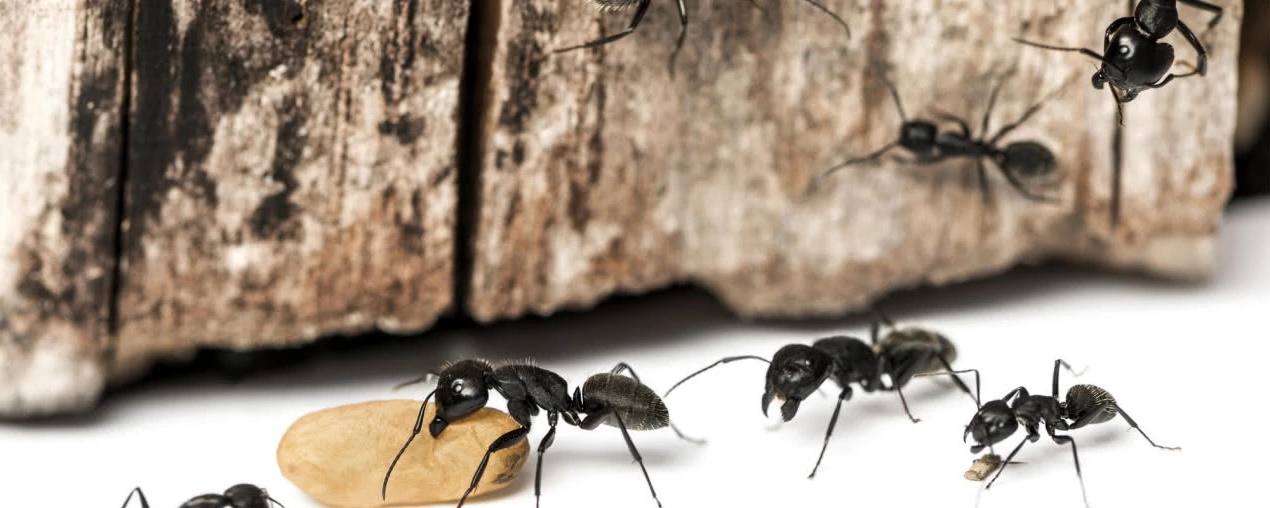
- Carpenter ants — large (½ inch or bigger), usually black. Nest inside wood and cause structural damage. Not killed by sweet baits — require specific protein-based products or professional treatment.
- Pharaoh ants — tiny (1/16 inch), yellow to light brown. Scatter and form satellite colonies when sprayed — never use sprays on these. Bait only.
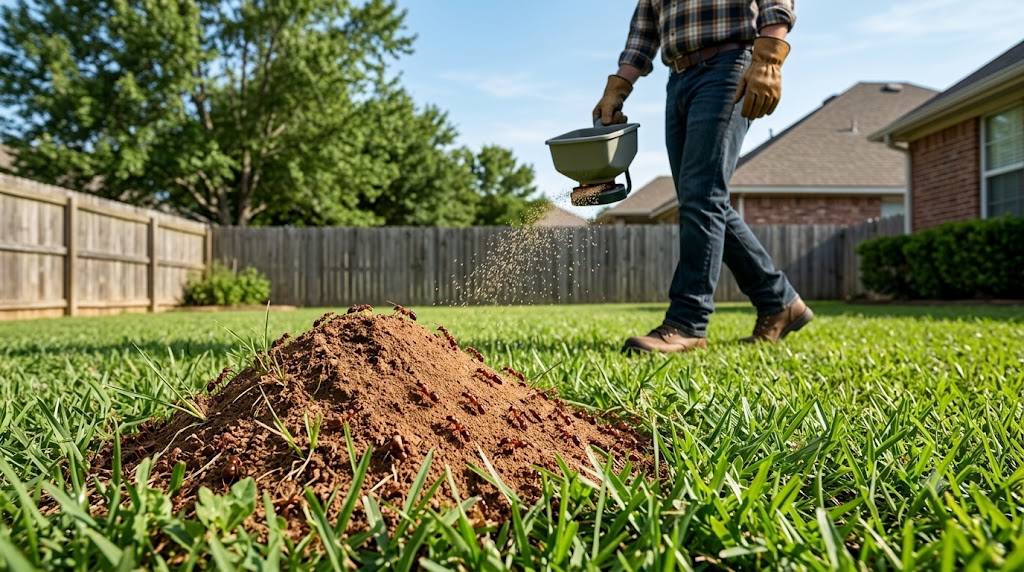
- Fire ants — reddish brown, outdoor mound-builders, painful sting. Mostly Southern US.
Signs of an Ant Infestation
- Visible trails — ants leave pheromone trails to food sources. If you see one ant, more will follow the same path within hours.
- Small piles of dirt or sawdust — near baseboards, windows, or wooden structures. Sawdust-like piles (“frass”) indicate carpenter ants and possible structural damage.
- Faint rustling sounds in walls — typical of established carpenter ant colonies inside wood.
- Discarded wings — near windowsills, doors, or light fixtures in spring. Sign of a mature colony producing reproductive swarmers.
- Ants in multiple rooms — indicates an indoor nest, not just foraging from outside. Requires bait-based colony elimination.
How to Get Rid of Ants: The Right Approach
The single most common mistake homeowners make is reaching for a spray first. Insecticide sprays kill the foraging ants you see — but they signal danger to the colony, which then sends more workers from a different route or splits into satellite nests in new locations. This is why people spray for weeks and the ants keep coming back.
The correct approach is bait-first:
- Place bait stations along ant trails — TERRO, Raid baits, or Combat gel. Worker ants consume the slow-acting bait and carry it back to share with the colony, including the queen.
- Do not spray near baits. Sprays repel ants away from bait stations and cancel the treatment.
- Wait 7-14 days. Bait works through the colony from inside. You’ll see more ants in the first 1-2 days as they swarm the bait — this is normal.
- After colony elimination, apply a perimeter barrier outside. Ortho Home Defense or similar around the foundation prevents reinfestation.
For the complete product breakdown, application strategy, and species-specific advice, see our detailed guide: Best Ant Killer for Home: 6 Products Compared →
Indoor Ant Prevention
Once the colony is gone, keeping ants out is straightforward:
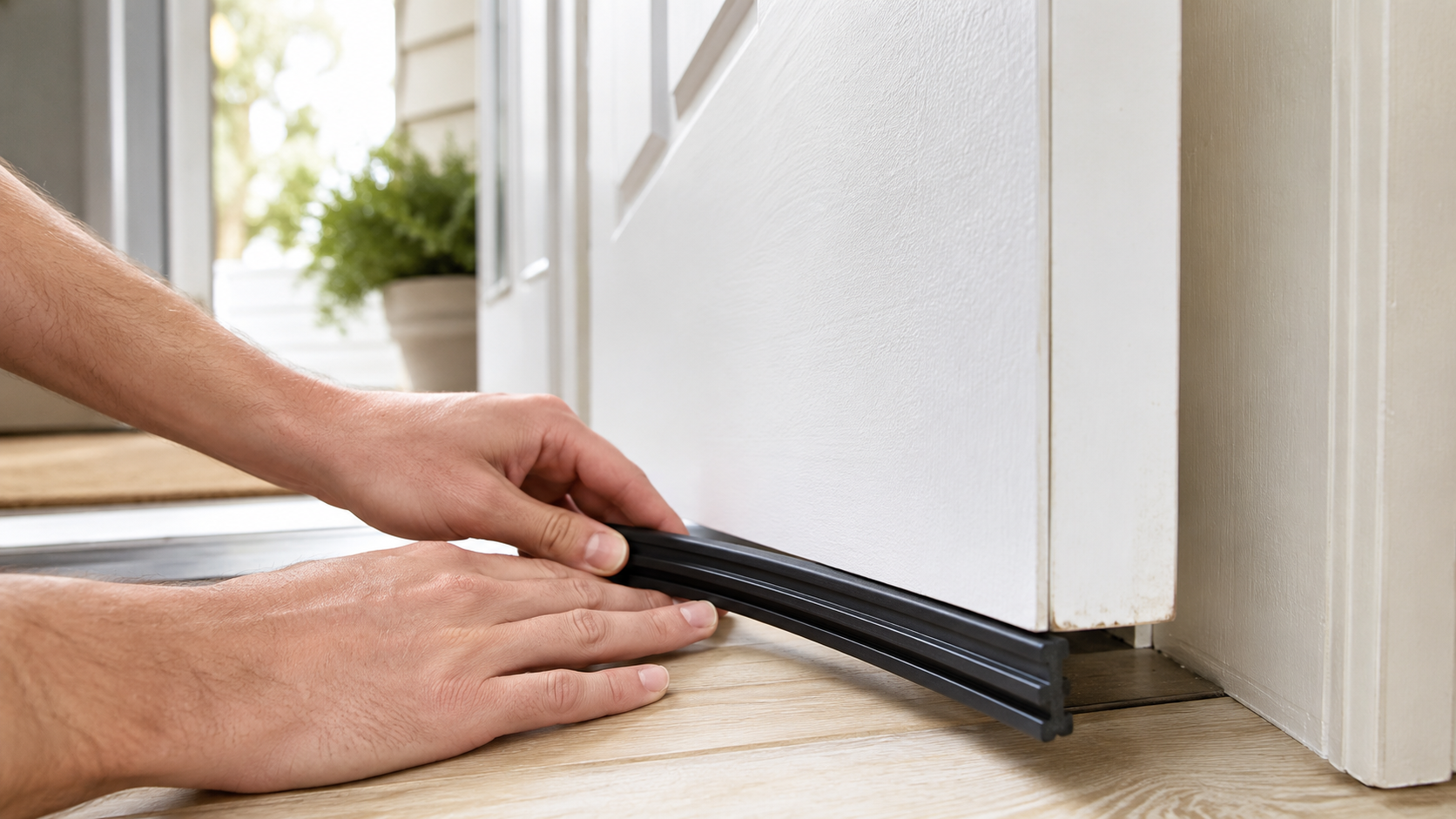
- Seal entry points. Caulk cracks around windows, doors, and pipes. Ants follow tiny gaps in baseboards and foundation.
- Eliminate food sources. Store sugar, honey, and pet food in sealed containers. Wipe down surfaces, especially sticky residue from juice or syrup.
- Fix moisture problems. Carpenter ants in particular are attracted to damp or rotting wood. Repair leaking pipes and damaged caulking promptly.
- Empty trash regularly. Indoor trash should be in sealed bins; outdoor bins should be at least 10 feet from the house.
- Keep landscaping away from siding. Trim bushes and tree branches that touch the house — ants use them as bridges.
Outdoor Ant Prevention
Most colonies live outdoors and enter the home to forage. Reducing outdoor pressure cuts indoor infestations dramatically:
- Apply a perimeter insecticide barrier (Ortho Home Defense or similar) around the foundation in spring before ant season starts
- Remove woodpiles, leaf litter, and debris near the house — these are common nesting sites
- Grade soil away from the foundation so water drains correctly — wet soil attracts colonies
- Address ant hills in the lawn directly with granular treatments rather than waiting for them to spread
When to Call a Professional
Some ant situations go beyond what DIY products can handle:
- Carpenter ants in structural wood — once they’re inside walls, beams, or floor joists, professional treatment with foam or dust into nest galleries is required
- Fire ant mounds that keep returning despite repeated granular treatment
- Pharaoh ants throughout the house — these require specialized professional baiting protocols; consumer sprays make them worse
- Argentine ant supercolonies — common in California and the Southeast; can span entire neighborhoods and require coordinated outdoor treatment
For severe or recurring ant problems, getting a few professional quotes takes about 60 seconds: get free pest control quotes via Angi → (free, no obligation).
Ants Articles in This Category
- Best Ant Killer for Home (2026): 6 Products Compared — full breakdown of TERRO, Ortho, Combat gel, Raid baits, Mighty Mint, and Raid spray with usage scenarios
- How to Get Rid of Ants in the House — step-by-step elimination guide
- Say Goodbye to Ants: Effective Methods — DIY methods that work
- What Are Ants: 5 Facts You Need to Know — biology and behavior