Ants: Identify the Species, Stop the Trail, Choose the Right Treatment
Ants are one of the most persistent pests in US homes. A single worker on the counter is often a scout from a colony hidden in a wall, under a slab, in damp wood, or outside near the foundation. Start here: identify the ant type, match the treatment to the situation, then jump into the detailed guide that fits your problem.
The right treatment depends on the species, nest location, and food preference. Use this quick reference first, then open the guide that matches what you are seeing.
Common household ants compared at a glance
Ant type
Key look
Problem clue
Best next guide
Odorous house ants
Small, dark brown to black, about 1/8 inch
Kitchen and bathroom trails; coconut-like odor when crushed
What is the best first step for ants in the kitchen?
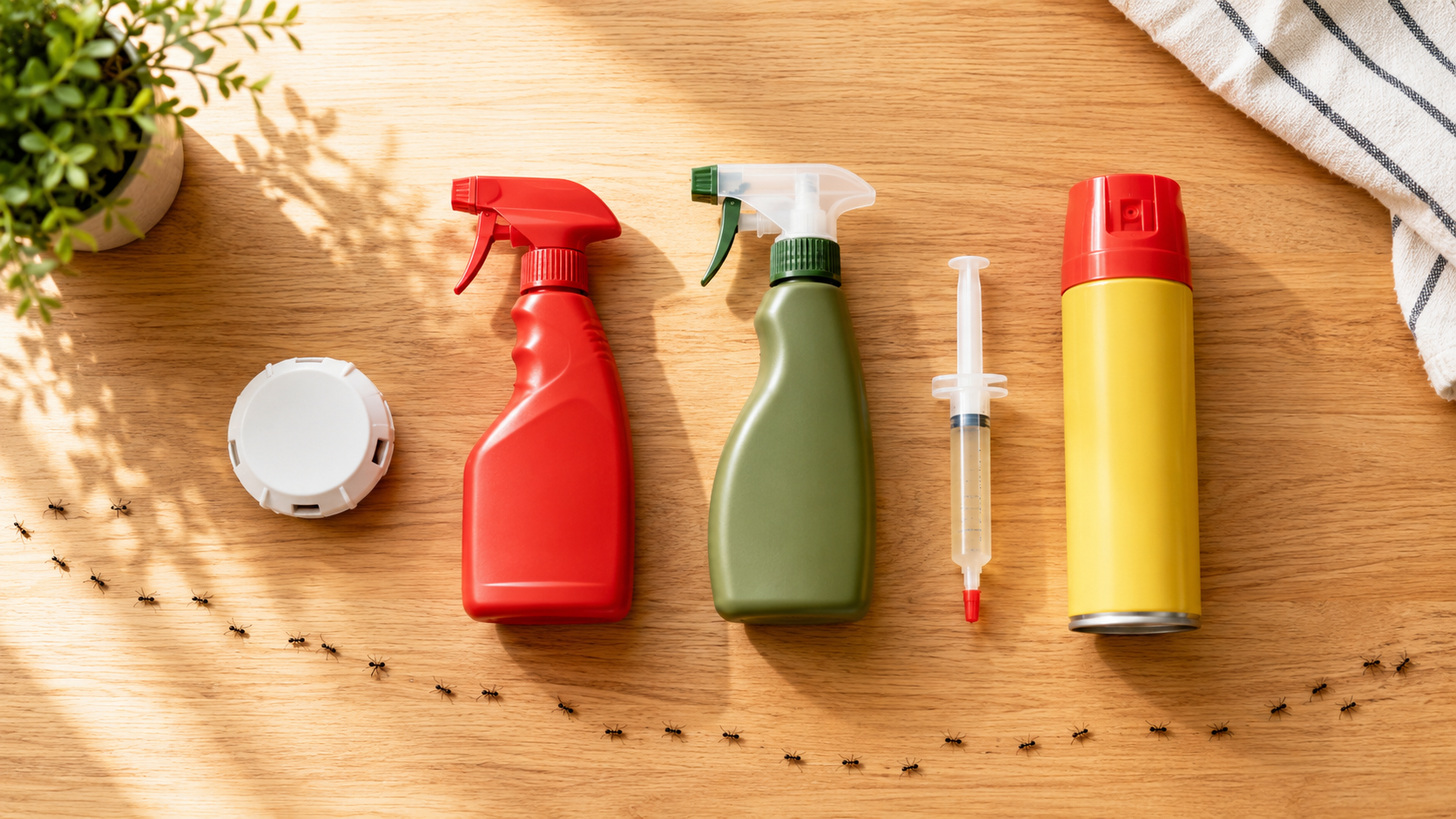
Start with bait along the active trail, then clean food residue and seal entry points after activity drops. Spraying the trail first can repel ants away from bait and reduce colony-level control.
Why do I see more ants after placing bait?
That often means the bait has been found. Workers gather, feed, and carry the bait back toward the colony. Activity may increase for a short period before it declines.
When are carpenter ants more serious than ordinary house ants?
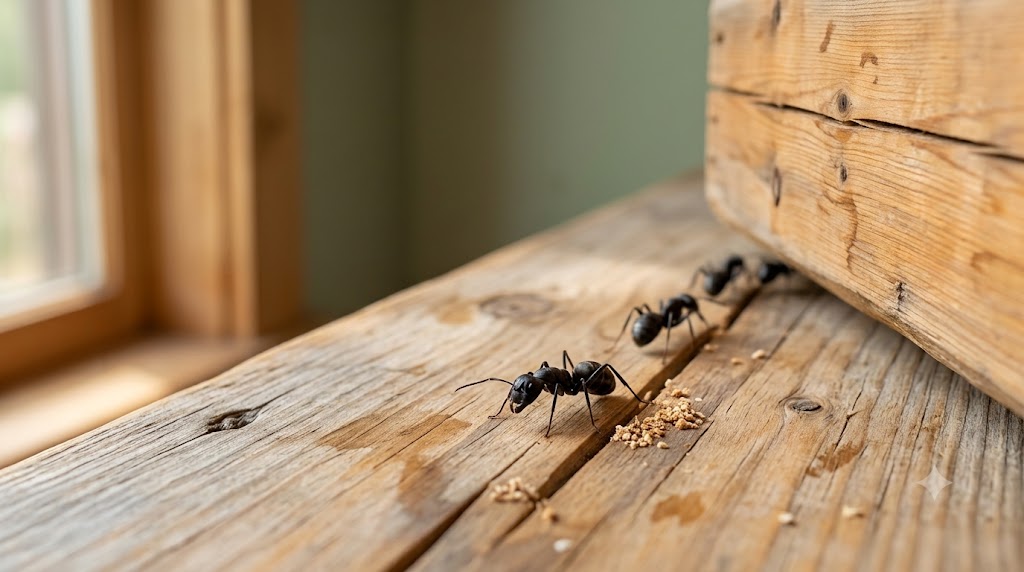
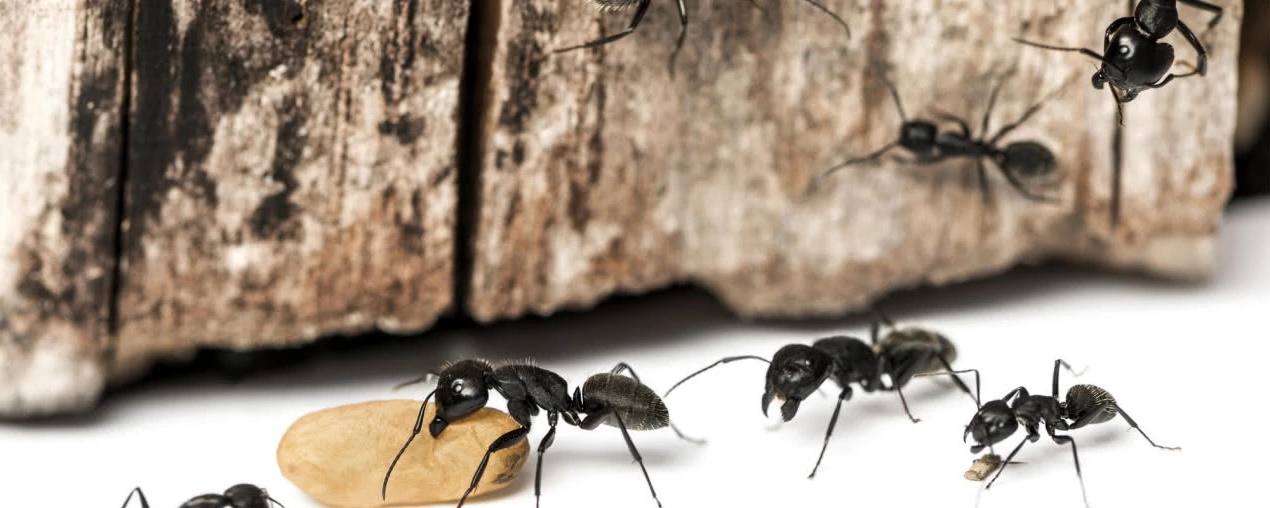
Large dark ants near damp wood, sawdust-like debris, soft wood, wall sounds, or activity around leaks can point to carpenter ants. They do not eat wood like termites, but they can excavate damaged wood for nesting.
Should I treat fire ant mounds one at a time?
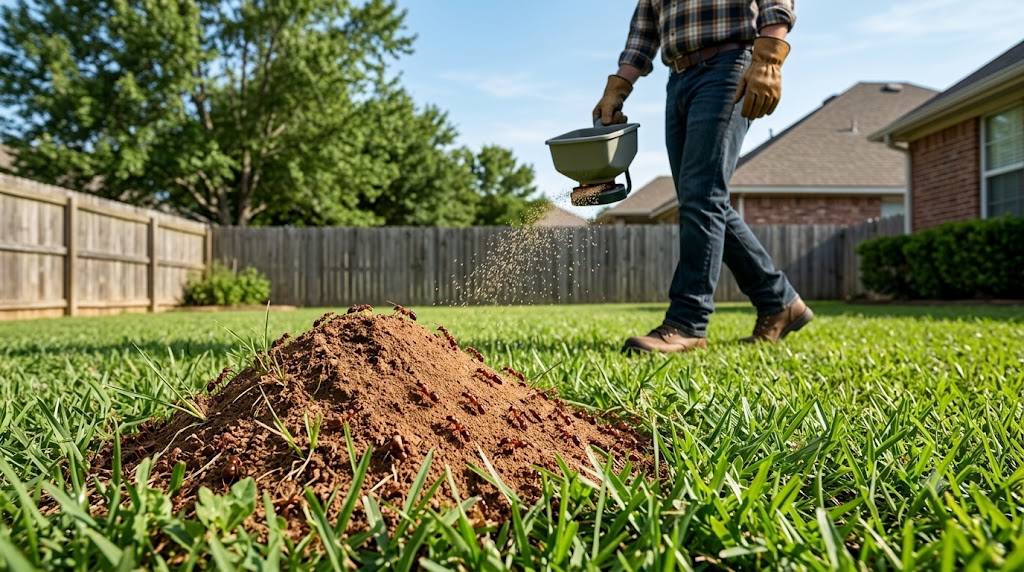
For repeated fire-ant mounds, a yard-wide bait strategy usually works better than chasing one mound at a time. Remaining active mounds can then be spot-treated according to the label.
How do I keep ants from coming back?
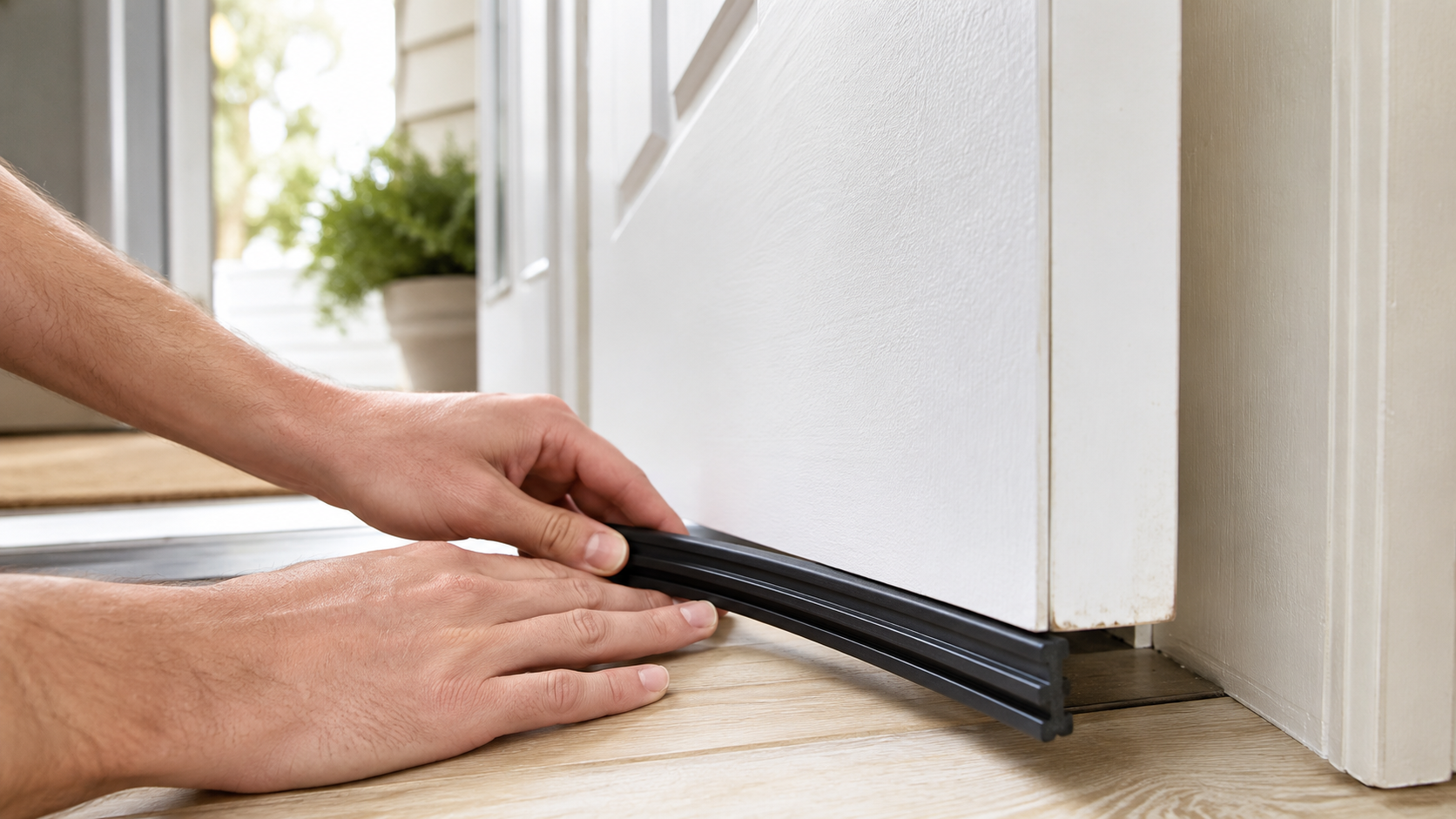
Remove food and water sources, wipe scent trails, seal gaps around doors and windows, trim branches touching the house, keep mulch and wood away from siding, and reduce moisture around the foundation.
This website uses cookies to improve your experience. We'll assume you're ok with this, but you can opt-out if you wish. AcceptRejectRead More
Privacy & Cookies Policy
Privacy Overview
This website uses cookies to improve your experience while you navigate through the website. Out of these, the cookies that are categorized as necessary are stored on your browser as they are essential for the working of basic functionalities of the website. We also use third-party cookies that help us analyze and understand how you use this website. These cookies will be stored in your browser only with your consent. You also have the option to opt-out of these cookies. But opting out of some of these cookies may affect your browsing experience.
Necessary cookies are absolutely essential for the website to function properly. This category only includes cookies that ensures basic functionalities and security features of the website. These cookies do not store any personal information.
Any cookies that may not be particularly necessary for the website to function and is used specifically to collect user personal data via analytics, ads, other embedded contents are termed as non-necessary cookies. It is mandatory to procure user consent prior to running these cookies on your website.