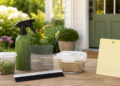
Ants in the kitchen, bathroom, or along baseboards are usually not a one-ant problem. The workers you see are following a food trail from a colony that may be outside near the foundation, under a slab, or hidden inside a wall void. The practical goal is to stop the trail, let workers carry bait back to the colony, and then remove the food, moisture, and entry points that brought them indoors.
Quick Answer: How to Get Rid of Ants in the House
- Follow the trail before cleaning it. Look for where ants enter and what they are feeding on.
- Use bait first for an active indoor trail. Put bait beside the route, where children and pets cannot reach it.
- Do not spray beside bait. Repellent sprays can keep workers from carrying bait back to the colony.
- Clean food residue and pheromone trails. Wipe counters, floors, and the route after bait activity begins to drop.
- Seal access and reduce outdoor pressure. Caulk gaps and address the exterior entry point after the indoor trail is under control.
For a side-by-side comparison of liquid baits, gels, sprays, and outdoor products, see Best Ant Killer for Home: 6 Products Compared.
| What you see | Best first move | Avoid |
|---|---|---|
| A steady trail on counters or baseboards | Put a bait station beside the route. | Spraying the same route while ants are meant to feed on bait. |
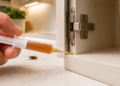
| Ants using a thin crack, cabinet hinge, or pipe gap | Use a targeted gel bait placement as directed. | Putting bait on food-contact surfaces or inside an open, reachable area. |
| Visible ants that need contact control now | Use a labeled spot spray away from bait placements. | Treating a contact spray as colony control. |
| Ants repeatedly entering through doors or windows | Bait indoors first, then seal gaps and treat the exterior route if needed. | Starting with a perimeter spray while the indoor colony is still actively feeding. |
Why Ants Keep Coming Back
Ants communicate with scent trails. When a worker finds a food or water source, other workers can follow the same route within hours. Killing the ants on the counter may make the room look better for a day, but it often leaves the colony and its trail system intact.
That is why an indoor ant plan has three parts: colony control, sanitation, and exclusion. Start with the active trail, then make the house less rewarding and harder to enter. For a broader overview of species and prevention, visit our ants guide.
Step 1: Find the Trail and the Food Source
Before placing any product, take a few minutes to watch the ants. Look along counter edges, behind small appliances, under sinks, around pet bowls, near windows, and where pipes enter walls. A trail often leads to a spill, a sticky cabinet shelf, an open food package, a damp area, or a small gap to the exterior.
- Check sugar, honey, fruit, cereal, pet food, trash, recycling, and drink residue.
- Look for moisture under sinks, around dishwashers, behind refrigerators, and near leaky pipes.
- Inspect window tracks, door thresholds, baseboards, utility openings, and cracks around cabinets.
- Notice whether ants are coming from one point or appearing in several rooms.
Do not expect to find every nest. For common household ants, you only need to identify the active travel route well enough to place bait where workers will find it.
Step 2: Use Bait First for Active Indoor Ants
For most small household ants, bait is the better first response than spraying the trail. Slow-acting bait gives worker ants time to feed and carry it back to other ants in the colony. It is normal to see increased activity around bait at first; that can mean workers have found it.
Indoor Bait Starting Point
TERRO T300B Liquid Ant Bait Stations
A borax-based liquid bait station suited to many common sweet-feeding ants. Place it close to, but not directly on, an active trail and let ants feed without disturbing them.
Where to Put Ant Bait
- Beside an active trail along a wall, counter edge, or baseboard.
- Near, but not inside, cabinets where you see activity.
- Under a sink or behind an appliance only when the placement is dry and inaccessible to children and pets.
- Near a known exterior entry point, such as a window track or door threshold, when ants are moving directly indoors.
Always follow the product label. Do not put bait on food-preparation surfaces, do not mix products, and do not use more bait than the label allows. If ants ignore one bait type, their food preference may have changed; a gel or a different formulation can be a better fit.
For Cracks and Crevices
Combat Max Ant Killing Gel
A gel format can make sense when ants are traveling through a specific crack, cabinet void, or other targeted area where a station does not fit. Use only as directed on the label and keep it away from food-contact surfaces.
Step 3: Do Not Spray the Trail While You Are Baiting
Spraying visible ants can give fast visual relief, but it may also repel workers from the bait or push them onto a new route. That is especially unhelpful when the colony is hidden. Give bait time to work before using a perimeter product or a targeted contact treatment.
If you need to remove a few visible ants from a food-preparation area, clean the surface with soap and water first. Then keep bait on the nearby route, not on the cleaned countertop. A contact spray should be treated as a spot tool, not as the main way to eliminate an indoor colony.
Optional Contact Treatment for Visible Ants
Wondercide Ant & Roach for Home + Kitchen
A plant-powered aerosol intended for targeted contact treatment of visible ants. It is a reasonable alternative for the ants you can see, but it does not replace bait for a hidden colony. Keep it away from active bait placements and follow the label directions for use around people, pets, and food-preparation areas.
Step 4: Remove Food, Water, and Scent Trails
Bait works better when ants have fewer competing food sources. Once bait activity has started, make the route less attractive by cleaning up crumbs, sticky residue, standing water, and open food.
- Store sugar, flour, cereal, snacks, and pet food in sealed containers.
- Wipe counters, cabinet shelves, appliance sides, and floors with soapy water.
- Rinse recyclables and take out trash before residue builds up.
- Do not leave pet food down overnight if ants are using it.
- Repair drips under sinks and dry wet sponges, dish mats, and sink areas.
Vinegar, peppermint, cinnamon, and essential oils may help with cleaning or temporary spot deterrence, but they should not be treated as colony control. They do not reliably eliminate a nest. For lower-toxicity tools that can support a broader prevention plan, see Best Natural Pest Control Products for Homeowners.
Step 5: Seal the Entry Points After Activity Drops
Once the active trail is shrinking, inspect the route from outside and indoors. Seal narrow gaps around window frames, door thresholds, trim, pipe penetrations, utility lines, and foundation cracks. Ants can use very small openings, so a careful inspection matters more than one large repair.
Use weatherstripping, door sweeps, screens, and appropriate caulk for the surface. For a room-by-room exclusion checklist, read Best Pest Barriers for Doors and Windows.
Step 6: Reduce Outdoor Ant Pressure
Many indoor ant problems start outdoors. Ants can nest in mulch, leaf litter, pavers, wall voids, firewood, and damp areas near the foundation, then enter the house to forage. After indoor baiting has reduced activity, look outside for the route that feeds into the home.
- Trim branches, vines, and shrubs away from siding and windows.
- Move firewood, leaf piles, and heavy mulch away from the foundation.
- Correct drainage that keeps soil and exterior wood damp.
- Keep outdoor trash bins clean and away from exterior doors when possible.
- Use a labeled perimeter treatment only where it fits the product directions and only after indoor baiting is no longer the priority.
For repeated entry through doors and windows, combine these steps with the DIY pest-proofing guide.
For Exterior Entry Routes
Ortho Home Defense Insect Killer
A perimeter treatment for exterior foundation lines, door thresholds, and window areas where the label allows. Use it after indoor bait activity has dropped, not as a substitute for baiting an active indoor trail.
Special Cases: When the Ant Type Changes the Plan
Large Carpenter Ants
Large black ants near damp wood, windows, decks, or a bathroom wall may be carpenter ants. They do not eat wood, but they can excavate moist or damaged wood for nesting. Look for sawdust-like debris, moisture damage, soft wood, or activity near leaks. Surface spraying is unlikely to solve a nest in a wall or structural area. Follow the dedicated guide on how to get rid of carpenter ants, and compare suspicious wood damage or winged insects with termite damage when the source is unclear.
Tiny Yellow or Light Brown Pharaoh Ants
Pharaoh ants can form multiple connected colonies. Broad spraying may cause them to split and spread to new areas. Baiting and consistent sanitation are usually the better first approach, and persistent activity in apartments, healthcare settings, or multi-unit buildings often needs coordinated professional treatment.
Fire Ants
Fire ants are primarily an outdoor mound problem and can sting. Do not use indoor bait stations as the answer to lawn mounds. If the problem is outdoors, follow our step-by-step fire ant yard treatment guide. Keep children and pets away from active mounds, and contact a local professional when mounds are close to play areas or repeatedly return.
When to Call a Pest Professional
DIY baiting and exclusion are reasonable for a straightforward kitchen or bathroom trail. It is time for a deeper inspection when the problem does not respond to a careful bait-first effort or when the ants may be nesting in the structure.
- Ant activity continues after two to three weeks of correct bait placement and sanitation.
- You see large carpenter ants, frass-like debris, soft wood, or moisture damage.
- Ants are appearing in several rooms, walls, ceilings, or electrical areas.
- The suspected species is pharaoh ant and the problem is spreading.
- You find winged insects or damage that could be confused with termites.
- Fire ant mounds create a sting risk around children, pets, or frequently used outdoor areas.
Frequently Asked Questions
Why do I see more ants after putting out bait?
Bait can temporarily draw more worker ants to one place because they have found a food source. That is often expected. Leave the bait undisturbed, avoid spraying around it, and monitor whether the overall trail begins to shrink over the next several days.
How long does ant bait take to work?
There is no single timeline because bait acceptance, ant species, colony size, and nest location all matter. Many bait products begin reducing activity within days, but follow the product label and give the colony-control approach enough time before switching methods.
Should I spray ants before using bait?
Usually no. Spraying an active trail can repel or kill the workers that need to carry bait back to the colony. Use bait first for the main route, and reserve a contact spray for isolated visible ants well away from any bait placement.
What if ants ignore the bait?
Clean up competing food sources, move the bait closer to the active route, and make sure it has not dried out or become contaminated. Ant food preferences can vary, so a different bait type or formulation may work better. The best ant killer comparison explains which formats fit different situations.
When should I call a pest control professional?
Call for help when ants keep returning after a careful bait-and-exclusion effort, when you suspect carpenter ants in damp or damaged wood, or when activity appears in multiple rooms, walls, or ceilings. An inspection is also a sensible next step when the signs could be termites rather than ants.
Need help choosing a product?
This page explains the bait-first process. Our comparison page helps you choose between bait stations, gels, perimeter sprays, and plant-based spot products based on the ants and the location.