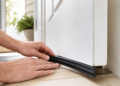
Choosing a pest control product is much easier when you know what pest you are dealing with. A trap, spray, barrier, repellent, or natural product may help in the right situation, but the wrong product can waste time and leave the real problem untouched.
This guide explains how to identify common household pests by location, damage signs, droppings, residue, plant symptoms, and entry points before choosing a treatment. If you already know the type of pest and want to compare lower-toxicity options, see our guide to best natural pest control products.
Quick Answer
To identify common household pests, start with where you found the activity, then look for damage, droppings, webbing, shed skins, plant symptoms, moisture, and entry points. Pantry pests are often found near stored food, fabric pests near clothing or carpets, rodents near gaps and stored items, and soil or garden pests near damaged roots or weak plants. Once you narrow down the pest type, choose a product or guide that matches the pest, location, and activity pattern.
Why Pest Identification Comes Before Product Choice
Many homeowners start by buying a product first and identifying the pest later. That approach can lead to the wrong trap, the wrong spray, or a product that does not match the pest’s life stage or location.
For example, a pantry moth trap will not help with clothes moths in a closet. A general indoor spray may not fix a rodent problem if mice are entering through a gap under a door. A garden product may be useful for some plant pests but not for pests living deeper in the soil.
Identifying the pest first can help you choose a product that matches the actual problem instead of guessing. It also helps you decide whether you need a trap, a barrier, a storage fix, a monitoring tool, a garden treatment, or professional inspection.
Before You Buy Anything
Check where the pest appears, what damage it leaves, whether there are droppings or residue, and how it may be entering the home. Product choice should come after identification, not before it.
Start With Where You Found the Pest
The location of pest activity is often the fastest first clue. Some pests are strongly tied to food, fabric, moisture, wood, soil, or entry points.
| Where You Found Activity | Possible Pest Types | What to Check Next |
|---|---|---|
| Kitchen or pantry | Pantry moths, ants, roaches, stored-product pests | Food packages, crumbs, webbing, small larvae, sticky residue |
| Closet or clothing storage | Clothes moths, carpet beetles | Wool, silk, fur, shed skins, small holes, larvae |
| Bathroom or damp areas | Silverfish, drain flies, roaches | Moisture, drains, gaps, dark corners |
| Basement, garage, or attic | Mice, rats, spiders, crickets, occasional invaders | Droppings, gnaw marks, gaps, clutter, stored food |
| Garden soil or lawn | Grubs, fungus gnats, mole crickets, soil pests | Root damage, wilting plants, tunneling, soft soil patches |
| Windows or siding | Boxelder bugs, stink bugs, ants, flies | Sun-facing walls, cracks, screens, seasonal activity |

Identify Pests by Damage Signs
Damage often tells you more than the insect or animal you saw for one second. Look closely at what changed: food packaging, fabric, wood, plants, insulation, stored boxes, or walls.
Chewed Packaging or Food Contamination
If you see damaged food packaging, small larvae, webbing, or insects around stored grains, cereal, flour, rice, nuts, or pet food, the problem may involve pantry pests. Pantry moths are one of the most common possibilities, but other stored-product pests can also appear in dry goods.
Check opened packages, seams of cardboard boxes, shelf corners, and spilled crumbs. Remove clearly affected food, clean the shelf area, and consider monitoring activity before placing products. If moths are the main issue, our guide to best pantry moth traps explains what type of trap fits that situation.
Holes in Clothing or Fabric
Small holes in wool, silk, fur, feathers, or stored fabrics may point to clothes moths or carpet beetles. The adult moth is not usually the stage that damages fabric. The larvae are the main concern, so look for shed skins, small larvae, webbing, or damage in dark, undisturbed areas.
Check closets, storage bins, wool sweaters, blankets, rugs, and fabric items that have not been moved for a while. If the signs match moth activity, see our guide to best clothes moth traps.
Wood Damage, Hollow Areas, or Mud Tubes
Wood damage needs careful attention because different pests and moisture problems can look similar. Termites, carpenter ants, wood-boring insects, and water damage may all affect wood, but they do not require the same response.
Look for mud tubes, hollow-sounding wood, blistered surfaces, soft spots, frass, or areas where wood looks layered or damaged from inside. If you suspect termite activity, compare the signs with our guides on termite damage and signs of termites.
Important
If you see possible structural damage, active termite signs, or repeated wood damage, do not rely only on a general household product. A professional inspection may be the safer next step.
Plant Damage or Weak Garden Growth
Garden pests are often easier to identify when you look at the whole plant, not just one insect. Yellowing leaves, sticky residue, curled leaves, weak roots, wilting, holes, or poor growth can point to different pest groups.
Soft-bodied insects such as aphids or whiteflies often appear on leaves and stems. Soil pests may affect roots before you see much activity above the soil. In some cases, biological control options such as beneficial insects or nematodes may help as part of a broader garden plan. You can start with the biological pest control hub for related guides.
Check Droppings, Residue, Webbing, and Shed Skins
Pests often leave clues even when you do not see the pest itself. Use these signs to narrow down the problem before choosing a product.
- Small dark droppings: may point to rodents or roaches, depending on size, shape, and location.
- Gnaw marks: often suggest mice or rats, especially near food storage, garage corners, pipes, or wall gaps.
- Fine sawdust-like material: may suggest carpenter ants, wood-boring activity, or damaged wood that needs closer inspection.
- Webbing in food packages: often points to pantry moth activity or another stored-food pest.
- Shed skins near fabrics: may suggest carpet beetles, clothes moth larvae, or another fabric pest.
- Sticky honeydew on plants: may point to aphids, scale insects, or whiteflies.
- Small flies near drains: may suggest drain flies, moisture buildup, or organic matter in drains.
Do not treat every sign the same way. Droppings near a garage wall, webbing inside flour, and sticky leaves on a plant are very different problems.
Look at Entry Points Before Buying a Product
Some pest problems continue because the entry route remains open. If insects or rodents can keep entering through gaps, vents, damaged screens, door sweeps, or foundation cracks, a product alone may not solve the issue.
Check these common entry points:
- Gaps under exterior doors
- Cracks near foundations or siding
- Openings around pipes and utility lines
- Damaged window screens
- Garage door gaps
- Attic vents and crawl space openings
- Unsealed storage areas
- Food, pet food, or birdseed stored in weak packaging
If entry points are part of the issue, start with exclusion and prevention. Our DIY pest-proofing guide and pest control barriers for doors and windows explain practical ways to reduce pest access.
Quick Pest Identification Checklist
Use This Checklist Before Choosing a Product
- Where did you first see the pest or activity?
- Is the activity indoors, outdoors, or both?
- Is the pest near food, moisture, wood, fabric, soil, or entry points?
- Do you see damage, droppings, webbing, holes, shed skins, or plant symptoms?
- Does the activity happen during the day, at night, or seasonally?
- Have you checked nearby cracks, vents, windows, doors, and storage areas?
- Is the problem limited to one area or spreading to several rooms?
- Can you safely take a clear photo for comparison before treating?

Match the Pest Problem to the Right Product Type
After you narrow down the pest type, match the problem to a product category. This does not mean every product will be necessary. In many cases, cleaning, sealing, storage changes, or monitoring come first.
| Problem Type | Product Category to Consider | Best Next Step |
|---|---|---|
| Pantry moths or stored-food pests | Pantry moth traps, airtight containers | Inspect food packages and remove affected items |
| Clothes moths or fabric pests | Clothes moth traps, garment bags, storage protection | Check wool, silk, fur, rugs, and dark storage areas |
| Soil pests or weak garden roots | Beneficial nematodes, soil-focused treatments | Check roots, soil moisture, and pest life stage |
| Soft-bodied plant pests | Neem oil, insecticidal soap, beneficial insects | Inspect leaf undersides before treating |
| Occasional indoor invaders | Barriers, exclusion, monitoring traps | Seal entry points and monitor activity |
| Rodent signs | Traps, exclusion materials, storage cleanup | Check droppings, gnaw marks, and gaps |
| Possible termite signs | Inspection, monitoring, professional evaluation | Document signs and avoid disturbing damaged areas |
Once you know the likely pest category, you can compare product options more confidently. For a broader overview, see our guide to natural pest control product options.
When Identification Is Not Clear
Sometimes the signs are mixed. You may see damage but no pest, droppings but no clear entry point, or plant symptoms that could be caused by pests, watering, disease, or soil problems.
If the pest is still unclear, avoid applying several products at once. Instead, take photos, note where activity appears, clean and monitor the area, and compare the signs with pest-specific guides.
You may also want to start with these category guides:
Not Sure Which Product Fits?
After you identify the likely pest type, compare traps, barriers, monitors, storage tools, and biological control options that match the problem.
Common Mistakes When Identifying Household Pests
Misidentification is common, especially when the pest is small, fast-moving, or only appears briefly. Avoid these mistakes before choosing a product.
- Buying a product based only on one insect: one insect indoors does not always mean an infestation.
- Ignoring location: insects near pantry shelves, closets, drains, and windows may need very different responses.
- Skipping entry points: pests may keep returning if gaps, screens, or door sweeps are not fixed.
- Confusing moisture damage with pest damage: damaged wood should be checked carefully before treatment.
- Using several products at once: this can make it harder to understand what is working and what is not.
- Forgetting prevention: storage, cleaning, sealing, and monitoring often matter as much as the product itself.
Final Thoughts
The best pest control plan starts with identification. Before choosing a product, check where the activity appears, what signs are present, whether there are entry points, and whether the problem is linked to food, fabric, wood, moisture, soil, or plants.
Once you understand the likely pest type, you can choose a better next step: monitoring, sealing, cleaning, storage changes, traps, barriers, biological control, or professional inspection when needed.
For more prevention-focused guides, visit our Effective and Biological Pest Control hub or read our guide to pest control for renters.
FAQ
What is the easiest way to identify a household pest?
The easiest way is to start with location. Check whether the pest appears near food, fabric, moisture, wood, soil, plants, or entry points. Then compare damage signs, droppings, webbing, shed skins, and activity patterns.
Should I buy pest control products before identifying the pest?
It is usually better to identify the pest first. The wrong product may not match the pest, location, or life stage. Identification helps you decide whether you need a trap, barrier, storage fix, monitor, garden treatment, or another approach.
What pests are commonly confused with each other?
Commonly confused pests include clothes moths and carpet beetles, termites and carpenter ants, pantry moths and other stored-food pests, drain flies and fruit flies, and mice and young rats.
Can natural pest control products work for every pest?
No single product works for every pest. Natural and lower-toxicity options may help when they are matched to the pest, location, and activity level. They often work best as part of a broader plan that includes cleaning, sealing, monitoring, and prevention.
When should I call a professional?
Consider calling a professional if you see structural damage, suspected termites, repeated rodent activity, bed bugs, large nests, widespread activity, or signs you cannot clearly identify. If termites are one of the possibilities, start with our termite inspection cost guide before choosing a treatment.