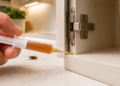
Dealing with bed bugs right now? The right treatment depends on how severe the infestation is, where the bugs are hiding, and whether the problem is still limited to one room. In most small cases, DIY treatment starts with three things: a fast-acting spray, mattress protection, and long-term crack-and-crevice control.
But bed bugs are not like occasional ants or crickets. They hide in seams, bed frames, baseboards, furniture joints, outlets, and wall gaps. Killing the bugs you can see does not always solve the infestation, especially if eggs are already hidden.
Quick Answer: What Is the Best Bed Bug Treatment?
For most homeowners, the best bed bug treatment is not one product. It is a combination of:
- spray for visible bugs and active hiding spots;
- mattress encasement to trap bugs and protect the bed;
- powder or dust for cracks, baseboards, and long-term control;
- professional help if bed bugs have spread beyond one room.
Not sure if you have bed bugs?
Before treating, confirm the signs: bites alone are not enough. Check our guide to the most common signs of bed bugs.
DIY Bed Bug Treatment vs Professional Cost
DIY bed bug treatment can save money in early cases, but only if the infestation is small and you treat thoroughly. If the bugs have spread to multiple rooms, professional treatment may become cheaper than buying products repeatedly without solving the source.
| Situation | Typical DIY Cost | Typical Pro Cost | Best Choice |
|---|---|---|---|
| Early signs in one bedroom | $40-120 for spray, encasement, and powder | $300-800+ | DIY may be worth trying first |
| Bed bugs in mattress seams or bed frame | $60-180 for treatment kit + encasement | $500-1,000+ | DIY only if activity is limited |
| Multiple rooms affected | $150-300+ and repeated treatments | $800-1,500+ | Professional inspection is usually safer |
| Infestation lasting weeks or months | Costs can keep rising | $1,000-2,500+ depending on size and method | Get professional quotes |
Money-saving rule:
If bed bugs are limited to one room and you caught them early, start with bed bug spray, a mattress encasement, and crack-and-crevice control. If you are still getting bites after repeated treatment or the bugs have spread, stop buying products at random and follow a full room-by-room treatment plan.
When DIY Bed Bug Treatment Works
DIY treatment is most realistic when the infestation is still early and contained. It may work if:
- bed bugs are limited to one bedroom;
- you found the problem early;
- you can inspect the mattress, bed frame, headboard, and nearby furniture;
- you can treat cracks, seams, and baseboards thoroughly;
- you are willing to repeat treatment according to label directions;
- you add mattress protection instead of relying on spray alone.
When DIY Is Not Enough
DIY becomes risky when bed bugs are already established or spreading. Consider professional help if:
- bed bugs are in multiple rooms;
- you keep getting bites every night;
- the infestation has lasted several weeks or months;
- you see bugs in couches, walls, outlets, or furniture joints;
- you live in an apartment or shared building;
- someone in the home has strong bite reactions or sleep disruption.
Important: Bed bug eggs are difficult to eliminate with a single treatment. Killing visible bugs does not mean the infestation is gone. Reinspection and follow-up treatment matter.
Best Bed Bug Treatment Products
These products fit different parts of the treatment plan. For best results, do not rely on just one item. Spray handles visible activity, encasement protects the mattress, and powder helps with cracks and hidden movement.
Best for visible bed bugs
EcoRaider Bed Bug Killer Spray (EcoVenger)

Why it helps: A fast-acting, plant-based spray is useful for visible bed bugs, mattress seams, bed frames, baseboards, and furniture edges where activity is confirmed. This one is USDA BIO-certified and labeled child- and pet-safe when used as directed.
Best for: early infestations, visible bugs, and active treatment zones.
Not ideal for: complete elimination on its own. Spray should be combined with encasement, cleaning, inspection, and follow-up treatment.
Essential mattress protection
SafeRest Mattress Encasement

Why it helps: A mattress encasement traps bed bugs already inside the mattress and prevents new bugs from entering mattress seams.
Best for: every bed bug treatment plan, especially if bites happen in bed.
Not ideal for: killing bugs in furniture, walls, bed frames, or baseboards. It is protection, not a full treatment by itself.
Best for cracks and hidden areas
HARRIS Bed Bug Powder

Why it helps: Powder is useful in cracks, baseboards, and hidden travel areas where bed bugs may move after visible treatment.
Best for: long-term crack-and-crevice support.
Not ideal for: instant results. Powders work slowly and must be applied carefully according to the label.
Which Bed Bug Treatment Should You Choose?
| Your Situation | Best First Step | Why |
|---|---|---|
| You saw a few live bugs near the bed | Bed bug spray | Fast response for visible activity |
| You are getting bites while sleeping | Mattress encasement | Protects the mattress and reduces hiding access |
| Bugs may be hiding in cracks or baseboards | Bed bug powder | Longer-term crack-and-crevice support |
| Multiple rooms are affected | Full removal plan or professional inspection | DIY failure risk is much higher when bed bugs spread |
Simple DIY Bed Bug Treatment Plan
- Confirm the signs. Look for live bugs, shed skins, dark stains, eggs, and activity near mattress seams or bed frames.
- Declutter carefully. Do not move infested items into other rooms.
- Wash and heat-dry bedding. Heat is one of the most useful non-chemical tools.
- Vacuum seams and edges. Empty the vacuum contents immediately in a sealed bag.
- Apply spray where allowed by label. Focus on confirmed hiding spots, not random spraying.
- Install mattress encasement. Keep it on long-term.
- Use powder in cracks and baseboards. Apply lightly and only where appropriate.
- Reinspect weekly. Bed bugs require follow-up.
Need the full process?
Follow the full step-by-step removal guide
If you are not sure where to start, use the complete bed bug removal guide before buying more products.
When to Call a Professional for Bed Bugs
Professional help is usually the better route when bed bugs have spread, when DIY products are not reducing bites, or when the infestation may involve furniture, walls, or multiple rooms.
Severe or spreading bed bug problem?
Do not rely on one product alone
If bed bugs have spread beyond one room or you have been fighting them for weeks, repeated spray-only treatment can waste money and allow the infestation to grow. Use a complete plan that includes inspection, heat, mattress protection, crack-and-crevice treatment, follow-up checks, and professional help when the scope is too large for DIY.
Frequently Asked Questions
What kills bed bugs instantly?
Some sprays can kill bed bugs on contact, but instant contact kill does not eliminate eggs or hidden bugs. A complete plan usually requires spray, cleaning, mattress protection, crack treatment, and follow-up inspection.
Can I get rid of bed bugs without a professional?
Sometimes, yes. DIY is most realistic when the infestation is early and limited to one room. If bed bugs have spread, professional treatment is usually more reliable.
Do mattress encasements kill bed bugs?
A mattress encasement can trap bed bugs already inside the mattress and prevent new bugs from hiding in mattress seams. It does not kill bugs hiding elsewhere in the room.
Is bed bug powder better than spray?
They serve different purposes. Spray is better for visible bugs and active areas. Powder is better for cracks, baseboards, and longer-term hidden movement. Many treatment plans use both.
When should I call a professional exterminator for bed bugs?
Call a professional if bed bugs are in multiple rooms, if you keep getting bites after repeated DIY treatment, or if the infestation has lasted more than a few weeks. In those cases, do not keep adding random products without confirming where the bugs are hiding.
Bottom Line
The best bed bug treatment is usually a combination approach. Spray can help with visible activity, a mattress encasement protects the bed, and powder supports crack-and-crevice control. If the infestation is early and limited, DIY may be worth trying first.
If bed bugs have spread, if bites continue, or if the problem has lasted for weeks, professional help becomes the safer and often more cost-effective path.