Fleas

Fleas are small, fast-moving pests that spread through a home and yard faster than most people expect. A single sighting is rarely the whole problem — eggs, larvae, and pupae are usually already sitting in carpets, floor edges, bedding, and shaded outdoor spots by the time you notice bites or a scratching pet.

This guide explains how to identify fleas, where they live indoors and outside, what signs to look for, how flea bites compare with bed bug bites, and how to choose the right treatment path for your home and yard.

Affiliate and referral disclosure: PestsGuide may earn a commission from qualifying purchases or referrals through links in this article. This does not change your price or our editorial recommendations.

Quick Answer

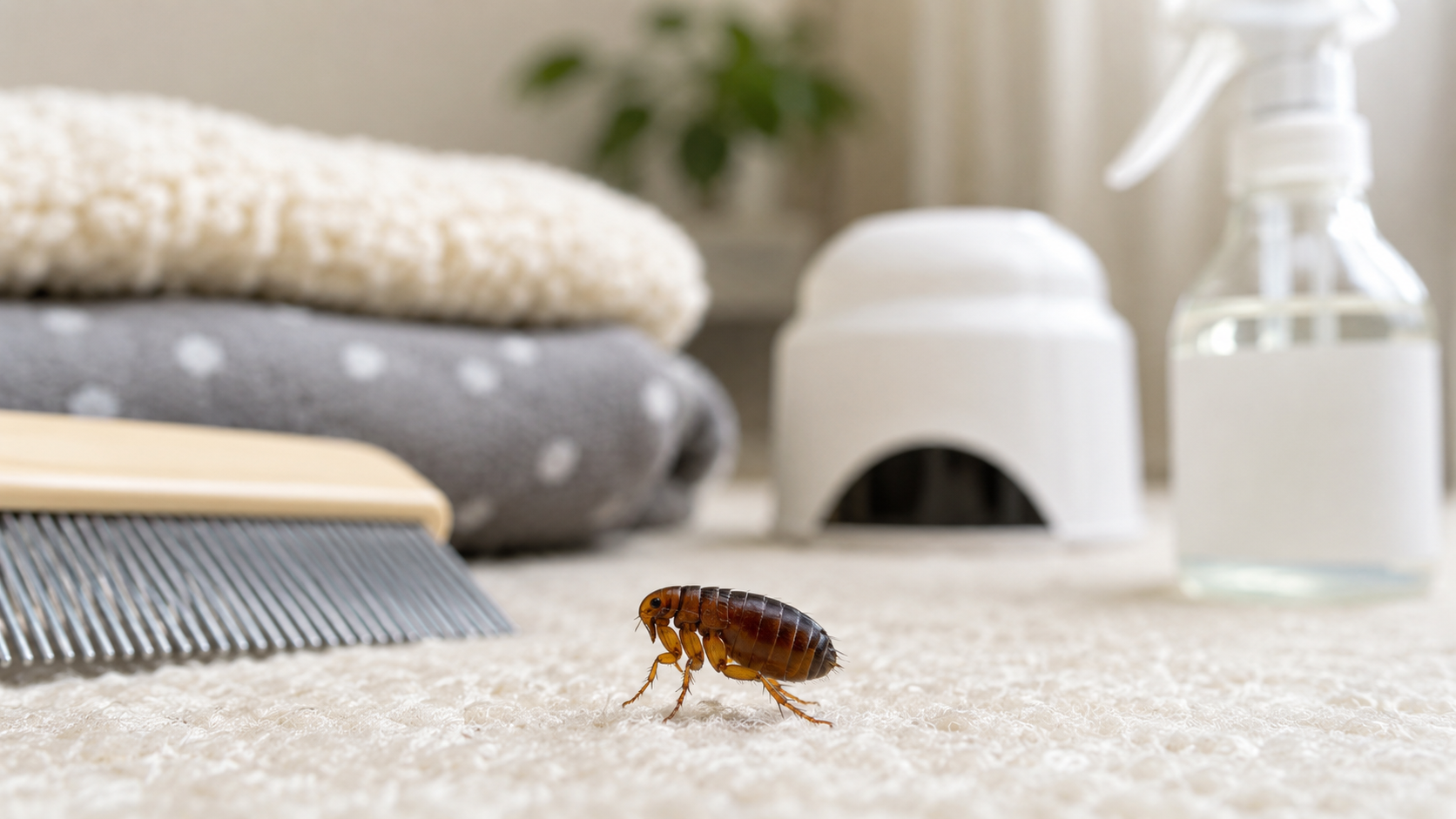
Flea control works best when you handle the full cycle: confirm the pest, vacuum and wash everything fleas can hide in, treat indoor rooms with a labeled product, and treat shaded yard hot spots if fleas keep coming back from outside. If pets are part of the household, coordinate their treatment on the same timeline.

If you are not sure whether the bites are fleas or bed bugs, start with inspection before buying products. For a complete step-by-step plan for home and yard, read How to Get Rid of Fleas.

What Do Fleas Look Like?

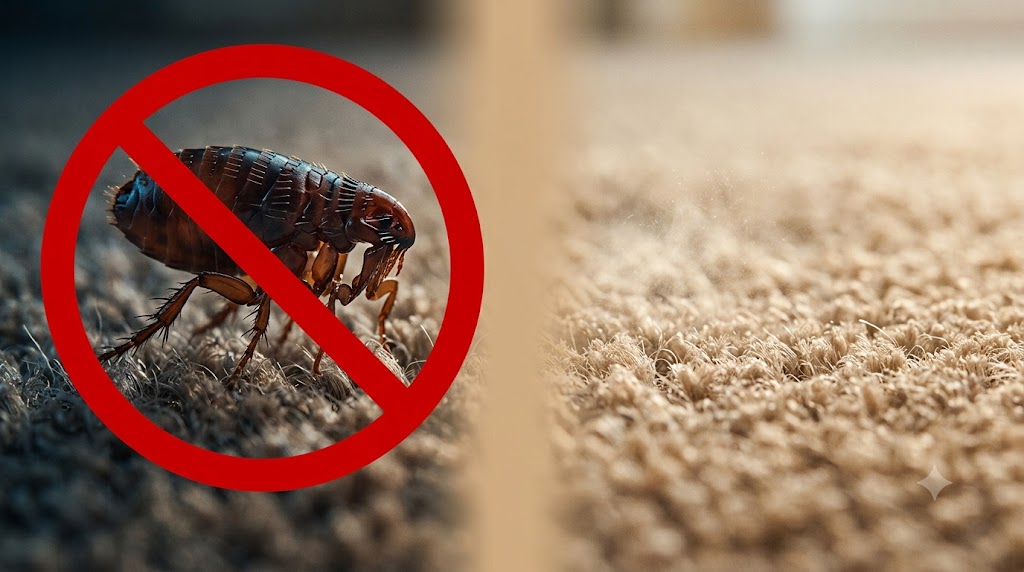
Adult fleas are tiny, wingless insects with flattened bodies and strong back legs for jumping. They are usually dark brown or reddish brown and move quickly through fabric, carpet fibers, or fur.

Most people do not get a long look at a flea. You may notice a small dark insect jumping, specks in carpet or pet fur, or bites around the ankles before you find the pest itself.

Common identification clues include:

  • small dark insects that jump rather than fly;
  • dark flea dirt in carpets, bedding, or pet fur;
  • tiny bites around ankles, lower legs, or areas close to floors;
  • pets scratching, biting, or licking more than usual;
  • activity near rugs, carpet edges, and shaded outdoor resting spots.

Flea Life Cycle

Fleas are harder to control when you only think about the adult insects. A flea problem can include four life stages:

  • Eggs: laid on a host but often falling into bedding, rugs, cracks, and carpets.
  • Larvae: immature fleas that avoid light and develop in protected areas.
  • Pupae: a protected stage that can make infestations seem to return after treatment.
  • Adults: the biting stage most people notice indoors or outside.

This is why one quick spray rarely solves the problem. Cleaning, indoor treatment, yard hot-spot work, and follow-up usually need to happen on the same timeline. Understanding the full flea life cycle also explains why activity may continue after the first round of cleaning or treatment.

Where Do Fleas Live and Hide?

Indoors, fleas are most likely where people and pets spend the most time, and where fabric or floor edges protect eggs and larvae. Check rugs, carpet edges, upholstered furniture, cracks near baseboards, and the floor around sofas, beds, and entryways.

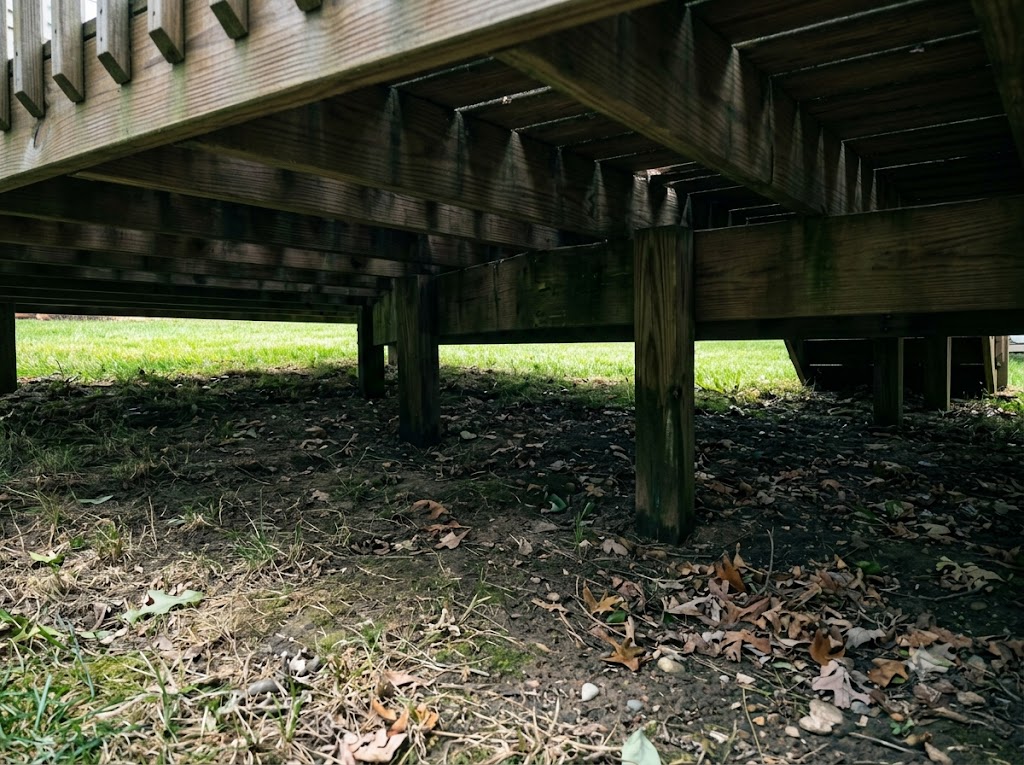
Outdoors, fleas are more likely in shaded, humid places than in open dry lawn. Look under decks, along fence lines, under shrubs, near crawlspace edges, in dog houses, and in places where wildlife moves through the yard.

How Do Fleas Get Into the Home?

Fleas can enter a home through several paths, not only on pets.

Common entry routes include:

  • pets spending time in flea-prone outdoor areas;
  • wildlife such as rodents, raccoons, opossums, or feral animals near the home;
  • used rugs, bedding, or upholstered items;
  • apartment buildings or shared spaces where pests move between units;
  • yard areas where people or pets spend time repeatedly.

Signs of Fleas in Your Home

The clearest indoor sign is often dark specks in carpets, rugs, or bedding. If those specks turn reddish brown when placed on a damp white paper towel, they may be flea dirt. Bites around ankles and lower legs, and small jumping insects near rugs or furniture, are also common signs.

If there are pets in the household, scratching, biting, or grooming more than usual is a useful early signal — but not required for a flea problem to exist. Check rugs, carpet edges, upholstered furniture, baseboards, and any area where people or pets spend the most time.

If you are still not sure whether the problem is fleas, start with the visible clues before choosing a treatment. Check pet bedding, rugs, carpet edges, baseboards, and ankle-level bites, then compare your findings with our guide to signs of fleas in your home.

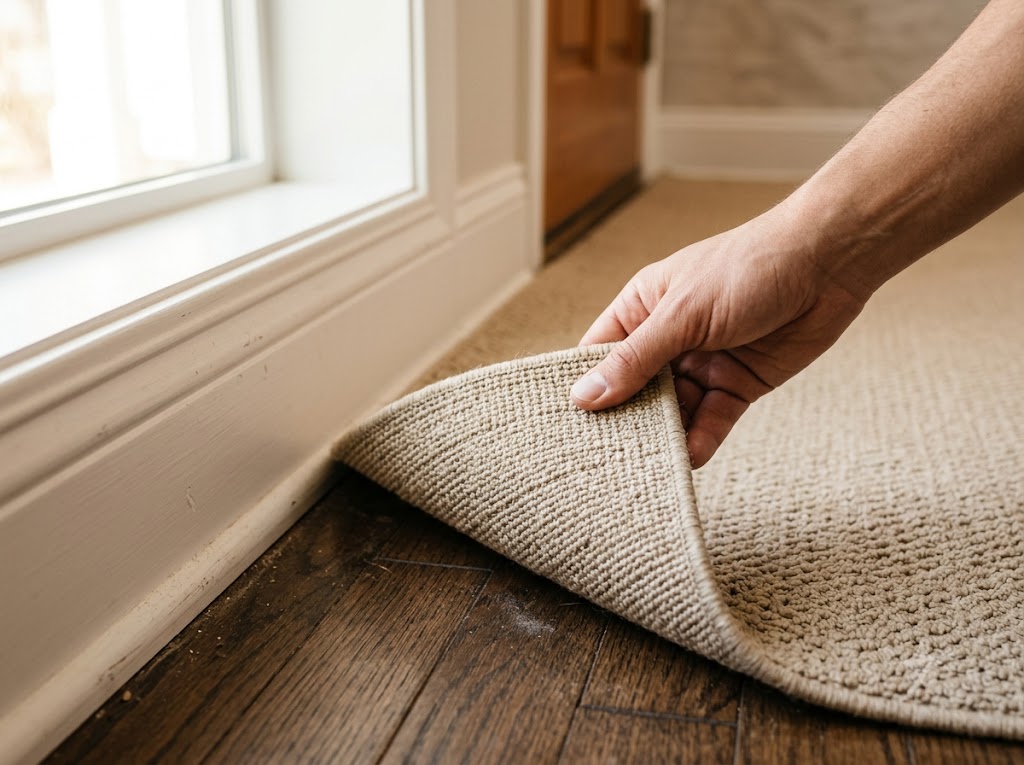
Rug and baseboard area where signs of fleas may be checked indoorsWhat Do Flea Bites Look Like?

Flea bites often appear as small itchy red bumps. They commonly show up around ankles, lower legs, waistline, or places where skin is close to floors, rugs, or bedding.

Bites alone are not enough to confirm fleas. People react differently, and flea bites can be confused with bed bugs, mosquitoes, mites, or skin irritation. Use bite location together with inspection clues before choosing a treatment.

Bed Bug Bites vs Flea Bites

Flea bites and bed bug bites can overlap, so the best clue is where the pest signs appear.

ClueFleasBed Bugs
Common bite areaAnkles, lower legs, waistline, areas near floors or petsExposed skin after sleeping: arms, neck, shoulders, face, legs
Where to inspectCarpets, rugs, carpet edges, shaded outdoor areas, pet resting spotsMattress seams, headboard, bed frame, cracks near the bed
Best first moveInspect carpets and resting areas, then clean and treat on a scheduleConfirm bed bugs before treating; inspect sleeping areas closely

For a deeper comparison, see Bed Bug Bites vs Flea Bites.

How to Get Rid of Fleas

The most reliable plan is not one product. Flea control usually needs several steps working together:

  1. Wash bedding and washable fabrics. Include any fabric in rooms where fleas are active.
  2. Vacuum thoroughly. Focus on carpets, rugs, upholstered furniture, floor cracks, baseboards, and resting zones. Empty the vacuum outside into a sealed bag.
  3. Treat indoor rooms with a labeled product. Treat only where the label allows, and keep children and pets away until the label says treated areas can be used again.
  4. Target outdoor hot spots. If fleas keep coming from outside, focus on shaded areas, under decks, and wildlife paths.
  5. Coordinate pet treatment in parallel if pets are part of the household — ask your veterinarian which product fits each pet.
  6. Follow up. Flea life stages can make activity continue after the first round. Repeat cleaning and label-directed treatment may be needed.

For the full step-by-step plan, including product choices for indoor rooms and outdoor hot spots, read How to Get Rid of Fleas.

Choose the Right Flea Treatment for Your Situation

Once you have confirmed that fleas are the likely problem, choose the product type by where the pressure is coming from — indoor rooms, the yard, or both. Always read the label before applying any product, and ask your veterinarian first if pets are part of the household.

Yard Treatment

Wondercide Flea & Tick Yard Refill Kit

A hose-end sprayer paired with a concentrate refill, built for shaded outdoor hot spots, pet paths, patios, and areas where fleas keep returning from outside. One purchase covers the first treatment plus follow-up applications.

Check Yard Refill Kit

Indoor Rooms

Wondercide Indoor Pest Control

A ready-to-use spray labeled for carpets, rugs, and floor edges indoors. No mixing required. Follow the label for coverage and re-entry time.

Check Indoor Pest Control

Whole-Property Treatment

Wondercide Complete Control Flea & Tick Kit

A broader kit option when flea pressure involves more than one area, such as indoor rooms and outdoor hot spots that need to be handled together.

Check Complete Control Kit

Choose a Treatment by Area

Different flea situations need different next steps. Use the source of activity to choose the right next move.

Problem areaBest next step
Yard and patio areasTreat shaded resting spots and wildlife paths, not the entire lawn at random. Follow the outdoor hot-spot steps in our flea guide.
Carpets, rugs, and baseboardsWash fabrics, vacuum repeatedly, and use labeled indoor products only where appropriate. Follow the indoor treatment steps in our flea guide.
Pets in the householdAsk your veterinarian for a pet-appropriate product, and coordinate the timing with the home and yard steps in our flea guide.
Unclear bitesCompare inspection clues before treating. Start with Bed Bug Bites vs Flea Bites.

How to Prevent Fleas From Returning

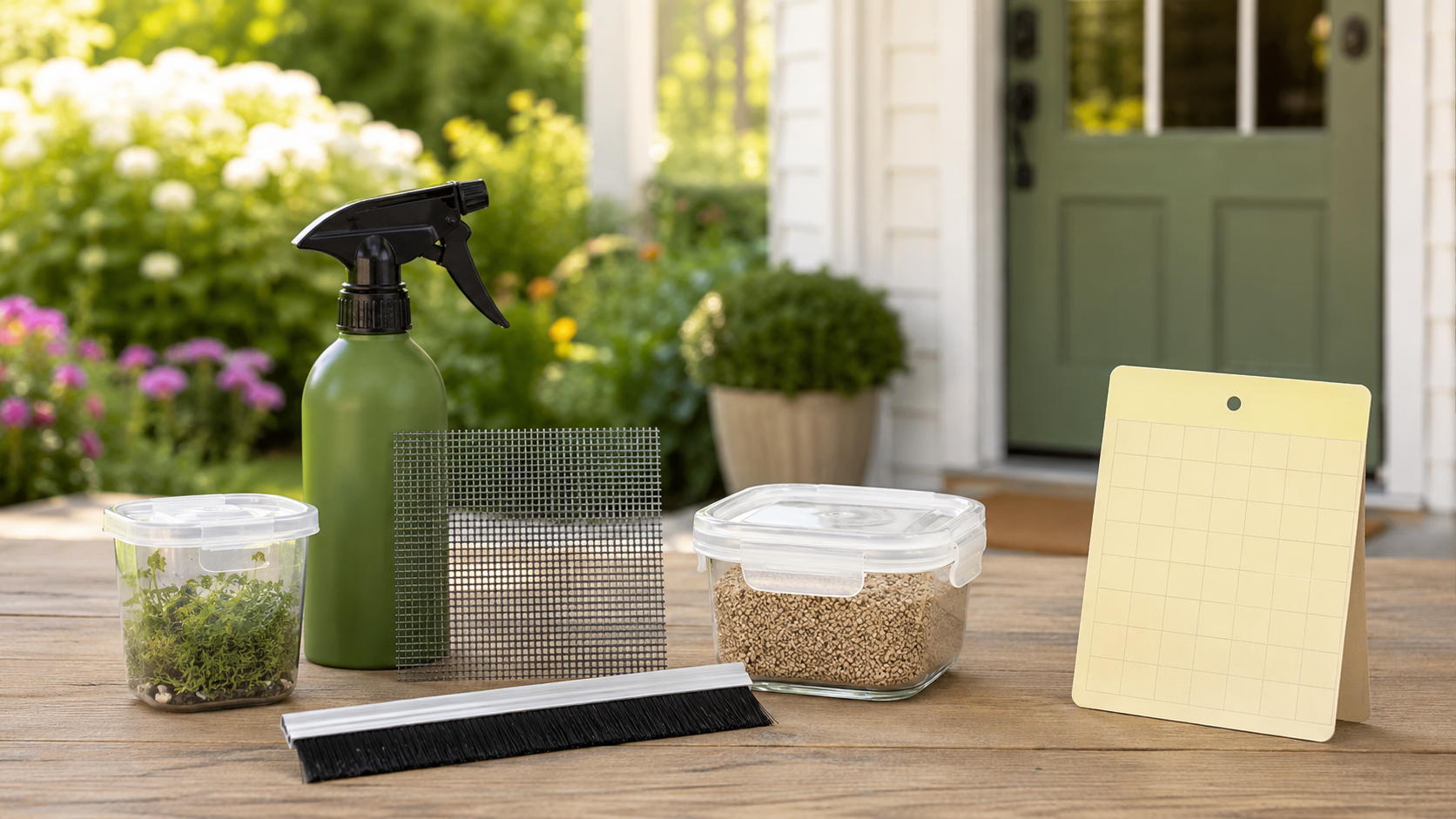
Prevention is about breaking the cycle in the yard and around the home. Reduce shaded debris, wash fabrics regularly, vacuum resting areas, and discourage wildlife from nesting or feeding close to doors, decks, crawlspaces, and patios.

In the yard, focus on conditions that help fleas survive:

  • remove damp leaf litter near shaded resting areas;
  • keep grass trimmed around patios, fences, and paths;
  • clean dog houses, kennels, and outdoor bedding if pets use the yard;
  • block access to crawlspaces or sheltered areas where wildlife may nest;
  • repeat inspection after travel, boarding, or wildlife activity.

When to Call a Professional

Consider professional help when fleas keep returning after cleaning and treatment, multiple rooms are involved, the yard has heavy wildlife pressure, or you are not sure whether the pest is fleas, bed bugs, mites, or something else.

Professional help may also make sense if someone in the home has strong bite reactions, young children are crawling in treated areas, or you need a coordinated plan for both indoor rooms and outdoor hot spots.

FAQ

Can fleas live without pets?

Yes. Fleas can be connected to wildlife, previous infestations, or protected indoor areas, not only pets. A pet-free home can still have a flea problem, especially after wildlife activity or a previous infestation.

Do fleas live in beds?

Fleas are more strongly associated with carpets, rugs, and floor-level resting areas than beds, though they can end up in beds if pets sleep there. If bites appear mainly after sleep, also check for bed bugs.

Can fleas live in the yard?

Yes. Fleas are most likely in shaded, humid outdoor areas where people or pets spend time, or where wildlife passes through. Open sunny lawn is usually less important than under decks, paths, leaf litter, and shaded edges.

How long does it take to get rid of fleas?

It can take weeks or longer because eggs, larvae, and pupae may continue developing after adult fleas are treated. Consistent cleaning and follow-up are important.

Are flea yard sprays enough by themselves?

No. Yard sprays can support control in outdoor hot spots, but they do not replace washing fabrics, vacuuming, and indoor treatment.

Related Guides

RECOMMENDED