
What do crickets eat? Crickets are omnivores, so they eat both plant and animal material. Outdoors, they feed on leaves, seedlings, fruit, seeds, fungi, decaying plants, and small or dead insects. Indoors, house crickets and camel crickets may chew stored food, paper, cardboard, carpet, curtains, and natural fabrics such as cotton, wool, and silk. Their songs are famous, but their diet matters when crickets move from the garden into basements, crawlspaces, closets, or storage areas.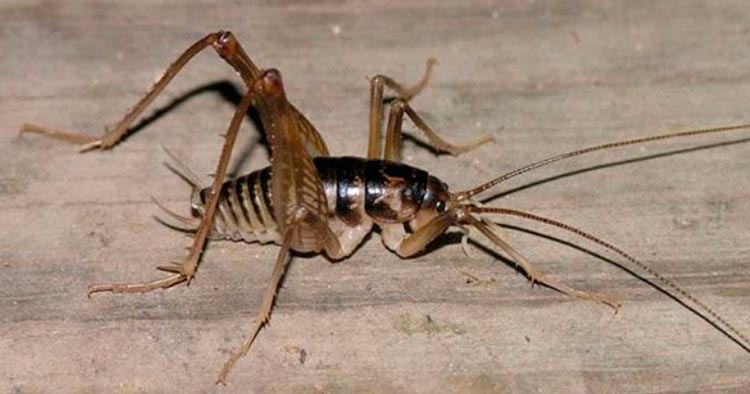
Short Answer
Crickets are omnivores, which means they eat both plant and animal material. In the wild, they feed on plants, seeds, fruit, fungi, decaying matter, and smaller insects. Indoors, they may chew stored food, paper, cardboard, carpet, curtains, and natural fabrics such as cotton, wool, and silk.
The exact diet depends on the cricket species. House crickets are more likely to become an indoor nuisance, camel crickets thrive in damp basements and crawlspaces, and mole crickets damage lawns by feeding and tunneling near grass roots.
What Do Crickets Eat? Full Diet Breakdown
Because crickets are opportunistic feeders, their menu is wide. The table below summarizes the most common foods, whether crickets actually eat them, and whether that habit matters to you as a homeowner or gardener.
| Food | Do they eat it? | Garden or home risk |
|---|---|---|
| Leafy greens, carrots, potatoes, fruit | Yes, often readily | Can damage vegetable gardens when numbers are high |
| Young shoots and flowers | Yes | Can damage seedlings and ornamental beds |
| Grass and fresh grass seed | Yes, especially seed and tender growth | Can thin newly seeded lawns |
| Corn and crop plants | Yes, depending on species and conditions | Can contribute to crop damage when infestations are heavy |
| Decaying plants and fungi | Yes | Usually harmless; part of natural cleanup |
| Other insects | Sometimes | Minor benefit; crickets may eat small, weak, injured, or dead insects |
| Ants and worms | Sometimes, especially small or vulnerable ones | Usually neutral |
| Other crickets | Yes, when food is scarce | Usually neutral; cannibalism can happen in crowded conditions |
| Paper and cardboard | Yes, they may chew it | Can damage stored boxes, paper, and documents |
| Damp wood areas | Sometimes, especially where fungi or decay are present | Can be a hiding area; not the same kind of wood damage as termites |
| Fabric: cotton, wool, silk, carpet | Yes, especially indoors | Can cause stains, fraying, or small holes in stored fabrics |
| Spiders | No, usually the opposite | Crickets are more often prey for spiders |
Key takeaway: outdoors, a cricket’s appetite is mostly a garden or lawn issue. Indoors, the concern shifts to stored food, paper, cardboard, and fabric, which is why a cricket problem in a basement or closet is more than just a noise nuisance.
Why Crickets Damage More Than Plants Indoors
Outdoors, crickets graze on plants, seeds, fungi, and decaying matter. In small numbers, that feeding is usually not a major problem. The risk changes once crickets move inside.
Indoors, crickets use the food and shelter available to them. That may include cardboard storage boxes, paper, books, pet food, carpet, curtains, clothing, and other natural fibers. Camel crickets, also called cave crickets or spider crickets, are especially common in damp basements, garages, sheds, and crawlspaces.
If you are finding chew marks, small holes, droppings, or live crickets around stored items, it is worth catching the population before it grows.
Crickets Chewing Through Your Things?
If crickets have moved indoors and started on boxes, fabric, or stored food, two products handle most common home situations:
Catch them indoors
Cricket Traps Indoor
Pre-baited glue traps placed along walls, baseboards, stored boxes, and damp corners can help you find where cricket activity is strongest.
Keep more from getting in
Cricket Canceller Spray
Use a targeted indoor/outdoor spray around foundation edges, basement wall lines, thresholds, and other entry points where crickets get in. Always follow the product label.
Want the full comparison, including glue boards, indoor traps, and outdoor options? See our guide to the best cricket killers and traps.
Prices change. Check Amazon for current pricing. PestsGuide.com earns from qualifying purchases.
What Do Crickets Eat in the Wild?
A cricket’s wild diet depends heavily on its species, but one thing is consistent: crickets are not picky. They eat organic material, plant decay, grass, fruit, fungi, seedlings, and sometimes smaller insects or dead insects.
Most crickets are scavengers more than hunters. They prefer food that does not fight back. When genuinely hungry, they may eat small, injured, weak, or dead insects, and in crowded conditions they may even eat other crickets.
Camel and Cave Cricket Diet
Camel crickets, also called cave crickets or spider crickets, eat a wide range of organic material. They are often found in damp places where fungi, mold, cardboard, fabric, and debris are available.
In homes, they may chew carpet, furniture fabric, curtains, clothing, paper, and cardboard. Left without enough food, they may turn cannibal. Unpleasant as that sounds, it can happen when crickets are crowded indoors and food is limited.
Mole Cricket Diet
Mole crickets feed differently from their above-ground relatives. Living underground, they tunnel through soil, feed around grass roots, and may also eat other small soil organisms.
Their damage shows up as thinning, loose, or browning turf rather than chewed fabric. Because they live below the surface, they need a different control approach. See our guide on how to get rid of mole crickets in your lawn.
Do crickets eat each other? Yes. Crickets can be cannibalistic when food is scarce, especially in crowded conditions. A cricket is most likely to eat another cricket if the other insect is weak, injured, or dead.
What to Feed a Pet Cricket in Captivity
If you are keeping crickets as pets or feeder insects for reptiles, they are easy to feed because they eat many common foods. Set them up in a ventilated aquarium or plastic container with hiding spots and a safe moisture source.
| Need | What to provide |
|---|---|
| Shelter | Egg cartons, cardboard tubes, bark, leaves, rocks, or small hides |
| Light | About 16 hours of light and 8 hours of darkness per day |
| Water | A damp sponge or moist cotton wool; avoid open dishes because crickets can drown |
| Food | Raw fruit and vegetables, oatmeal, leafy greens, and small protein sources such as dog food, cat food, tofu, or chicken |
Change the food type every few days, remove uneaten pieces daily, and keep the enclosure clean. Crickets need fresh food and a tidy space to stay healthy.
Frequently Asked Questions
What do crickets eat the most?
In the wild, crickets often eat fresh plant material, fruit, seedlings, fungi, decaying matter, and small insects. Indoors, they may chew stored food, paper, cardboard, carpet, curtains, and natural fabrics.
Do crickets eat wood and fabric?
Crickets do not damage wood the way termites do, but they may chew around damp or decaying wood areas, especially where fungi or organic debris are present. Indoors, camel crickets may chew cardboard, carpet, curtains, and clothing made from natural fibers.
Do crickets bite?
Crickets can bite, but they rarely bite humans and a bite is usually minor. The bigger issue is infestation, moisture, noise, droppings, and possible damage to stored items. For the full answer, see our guide on whether crickets bite humans.
What attracts crickets into a house?
Moisture, warmth, food crumbs, clutter, and outdoor lighting can attract crickets. Damp basements, crawlspaces, garages, bathrooms, and laundry rooms are common problem areas. Reducing humidity and sealing entry points are the most effective long-term deterrents.
Are crickets good for anything?
Yes. Crickets are an important food source for birds, reptiles, amphibians, spiders, and other wildlife. They also help break down decaying plant matter. They become a problem when they move indoors, damage stored items, or build up in a garden or lawn.
Final Thoughts
Crickets eat almost anything, which is why they can be both useful outdoors and frustrating indoors. Outside, they feed on plants, seeds, fungi, insects, and decaying matter. Inside, they may turn to stored food, paper, cardboard, and fabric.
If crickets have moved inside and started chewing belongings, a few well-placed glue traps, moisture control, and sealed entry points usually solve the problem. For a heavier issue or large cave crickets in the basement, our cricket killer comparison walks through the right product for each situation.