

Rat Control Hub
In this article you will find
show
Rats: Confirm the Species, Read the Signs, Pick the Right Trap Plan
If you see rat droppings, hear scratching, or find gnaw marks around your home, start by confirming the species, finding where rats are active, removing food sources, sealing entry points, and choosing the right trap setup. For an active problem, use the rat removal plan first, then compare traps and garage-specific prevention steps.
What Kind of Rat Do You Have? The 2 Species That Invade US Homes
Nearly every home rat problem in the US comes down to two species — and they behave very differently. Norway rats live low (burrows, basements, foundations), roof rats live high (attics, rooflines, trees). Knowing which one you have tells you where to put every trap.
| Species | Key look | Where it lives | Typical signs |
|---|---|---|---|
| Norway Rat (Brown / Sewer Rat) |
Heavy, thick body up to 10″ plus a shorter, scaly tail; blunt nose, small ears, brownish-gray fur | Ground level and below: burrows near foundations, under decks and sheds, basements, crawlspaces, garages | Dirt burrows with 2–3″ openings, capsule droppings ¾″ with blunt ends, gnawed door corners and bins |
| Roof Rat (Black Rat) |
Slimmer body up to 8″ with a tail longer than the body; pointed nose, large ears, dark fur | Up high: attics, ceilings, rooflines, soffits, trees and vines touching the house, garage rafters | Nighttime noise overhead, greasy rub marks along beams, spindle-shaped droppings ½″ with pointed ends |
| Not sure it’s a rat? | Mice are far smaller (2–4″ body), with proportionally bigger ears and rice-sized droppings | Kitchens, cabinets, wall voids — anywhere with dime-sized gaps | Light fast scratching, tiny scattered pellets — if that’s your case, use the mice guides instead |
All Rat Control Guides
Filter by what you need right now: confirming what you’re dealing with, reading the signs, or removing the rats and keeping them out.
Traps & Treatment

Best Rat Traps for Home (2026)
Budget snap traps, heavy-duty traps, and self-resetting models compared by location, severity, and pets in the home.
By Location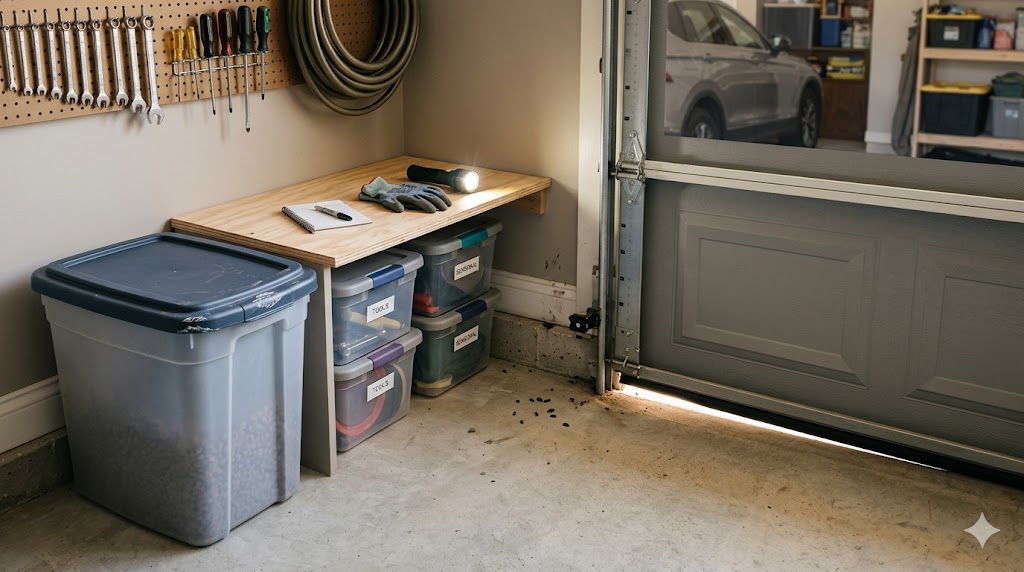

Rats in the Garage
Why garages attract rats — and the exact trap layout for wall edges, door tracks, and stored clutter.
Signs of Infestation
How to Get Rid of Rats: The First-Week Plan
Droppings, burrows, noise, gnaw marks — what each sign means and what to do in your first 24 hours.
Identification
Rat or Mouse? Pick the Right Tools
Droppings, noise, and damage compared side by side — so you don’t waste a week on undersized products.
By Location
Rodents in the Attic
Heavy thumps overhead are usually roof rats; light scratching is mice. How to tell — and where traps go on beams.
By Location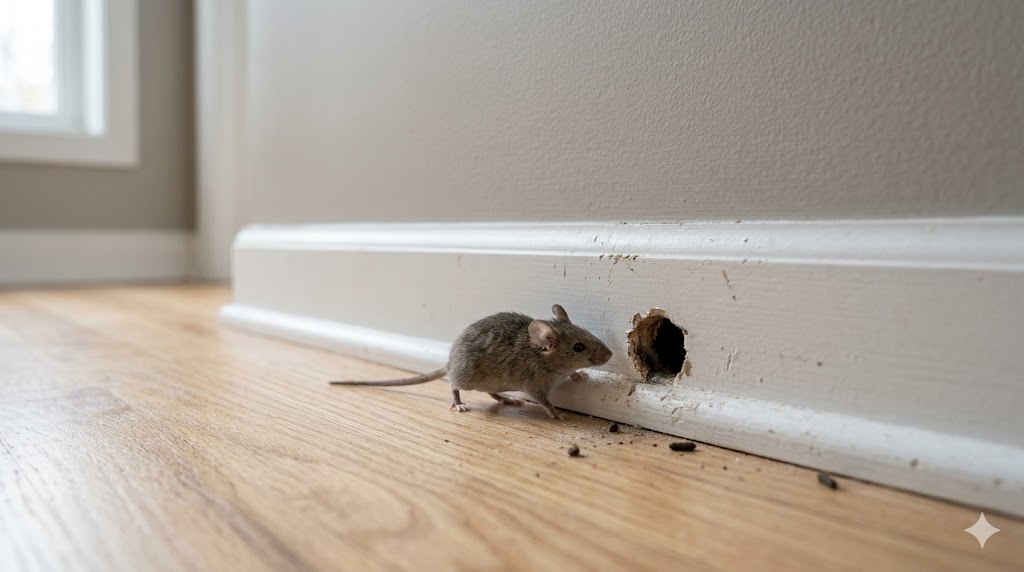
Rodents in the Walls
Don’t open walls first. Intercept the travel route from the attic, crawlspace, or garage instead.
Traps & Treatment
Poison & Bait Stations: When (and When Not) to Use Them
Why loose poison indoors backfires — and the secured bait-station setups that are actually safe around pets.
Prevention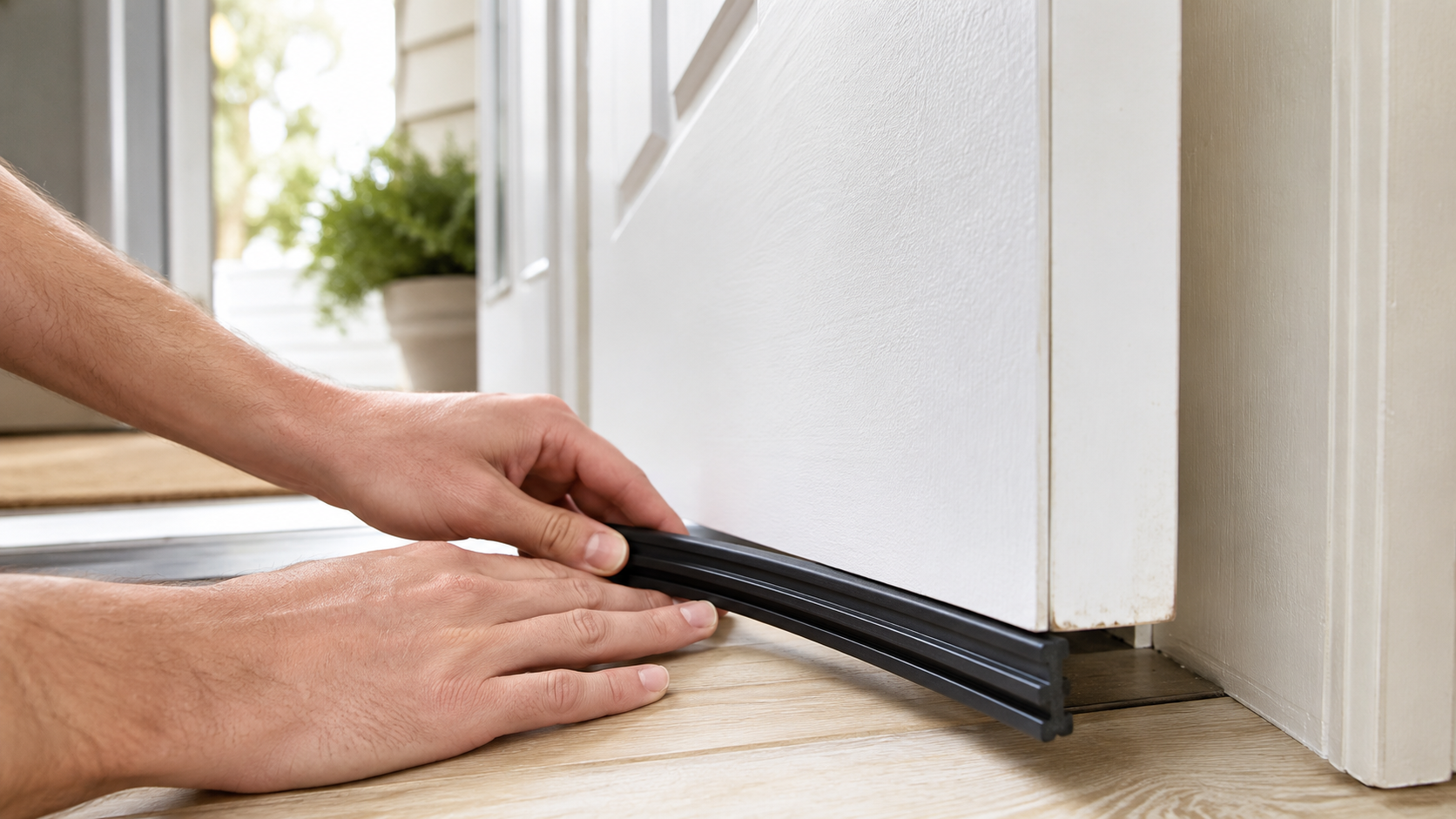
Sealing Entry Points: Doors, Windows, Vents & Gaps
Rats fit through a quarter-sized gap and chew through foam. The exclusion checklist that actually holds.
Prevention
Cut Off the Food: Garage & Storage Cleanup
Pet food, birdseed, trash, and compost are why rats stay. The cleanup that makes every trap work better.
No guides in this category yet.
Quick Test: Rat or Mouse?
Rats and mice need different traps, different bait, and different sealing gaps. Answer three questions about what you’ve found — it’s the fastest way to avoid buying the wrong products.
Question 1 of 3
Result
Rat Control FAQ
What is the best first product to buy for rats?
A multi-pack of rat-sized snap traps. Place several along walls and runways at the same time — coverage matters more than any single trap’s design. Never start with mouse traps, repellent pouches, or ultrasonic devices for an active rat problem.
Can mouse traps catch rats?
Not reliably. Adult rats are far larger and stronger, so undersized traps miss, injure, or get avoided — and a rat that escapes a trap becomes trap-shy and much harder to remove afterward.
Where should I put rat traps?
Along walls with the baited trigger side facing the wall, behind stored items, near droppings and greasy rub marks, beside garage edges, and along attic beams. Rats hug edges when they travel — put the trap in the edge, not in open floor space.
Is poison better than traps for rats?
Traps are the safer first choice indoors: you control the removal, and there’s no risk of a poisoned rat dying inside a wall or attic. Poison belongs only in secured, tamper-resistant outdoor bait stations for heavy exterior pressure — ideally as part of a professional program.
How long does it take to get rid of rats?
A small, recent problem often improves within days once traps and food cleanup are working together. Established or hidden infestations take multiple weeks, because trapping, sanitation, and exclusion all have to run in parallel.
When should I call a professional?
If you see rats during the day, find droppings in several rooms or levels, notice strong urine odor or contaminated insulation, discover chewed wiring, or trap activity continues for more than two weeks without dropping. Those signs point to an established colony or a safety hazard, not a DIY-sized problem.