

Flea Control Hub
In this article you will find
show
Fleas: Identify the Signs, Break the Life Cycle, Choose the Right Treatment
Fleas spread through homes and yards faster than most people expect. A single jumping insect, itchy ankle bites, or flea dirt near pet bedding can mean eggs, larvae, and pupae are already in carpets, floor edges, bedding, and shaded outdoor spots. Start here: confirm the pest, understand the life cycle, then choose the guide that fits your home, pet, yard, or bite pattern.
What Do Fleas Look Like? Key Signs by Stage
Adult fleas are only the stage most people notice. Successful control depends on spotting the signs and treating the full cycle, not just the jumping insects.
| Stage or sign | What it looks like | Where to check | Best next step |
|---|---|---|---|
| Adult fleas | Tiny dark brown insects that jump rather than fly | Pet fur, rugs, sofas, bedding, carpet edges, entry rugs | Check flea signs |
| Flea dirt | Dark specks that can smear reddish brown on a damp white paper towel | Pet bedding, fur, rugs, blankets, carpet edges | Inspect the home |
| Bites | Small itchy red bumps, often around ankles, lower legs, or waistline | Skin close to floors, rugs, pets, bedding, or upholstered furniture | Compare bite patterns |
| Eggs, larvae, pupae | Hidden immature stages that make fleas seem to return after treatment | Carpets, cracks, pet beds, shaded yard spots, protected floor edges | Understand the life cycle |
| Outdoor source | Recurring indoor activity after yard time, pets resting outside, or wildlife paths | Under decks, shaded patios, fence lines, dog runs, crawlspace edges | Use the full control plan |
All Flea Guides
Filter by what you need now: confirming flea signs, understanding bites and life stages, or choosing home, yard, and product treatments.
Signs & Inspection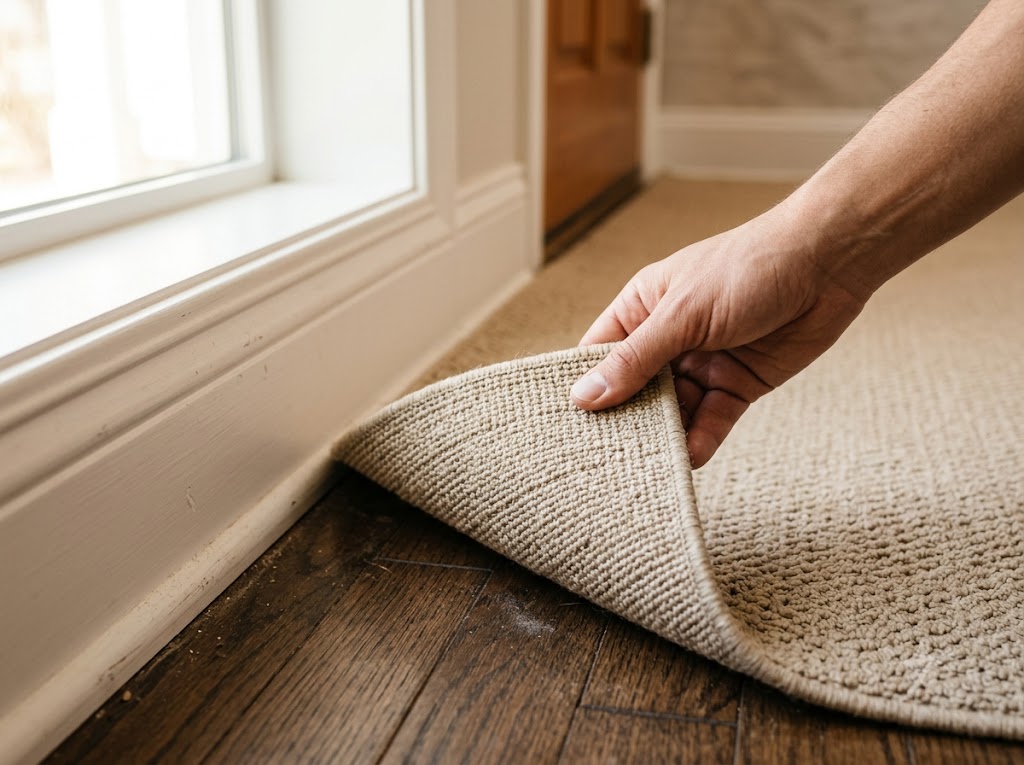

Signs of Fleas in Your Home
Pet scratching, flea dirt, ankle bites, jumping insects, and where to inspect first.
Bites
Flea Bites
What flea bites look like, where they usually appear, and when bites are not enough to identify the pest.
Life Cycle
Flea Life Cycle
Eggs, larvae, pupae, and adults explained so follow-up treatment makes sense.
DIY Treatment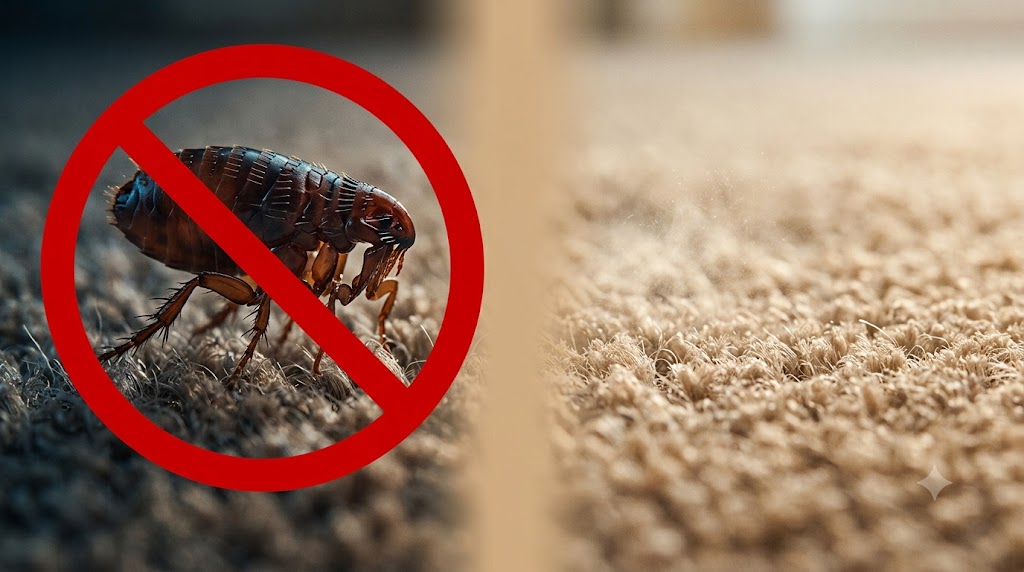
How to Get Rid of Fleas
The full home and yard plan: washing, vacuuming, indoor treatment, pet coordination, and follow-up.
Best Products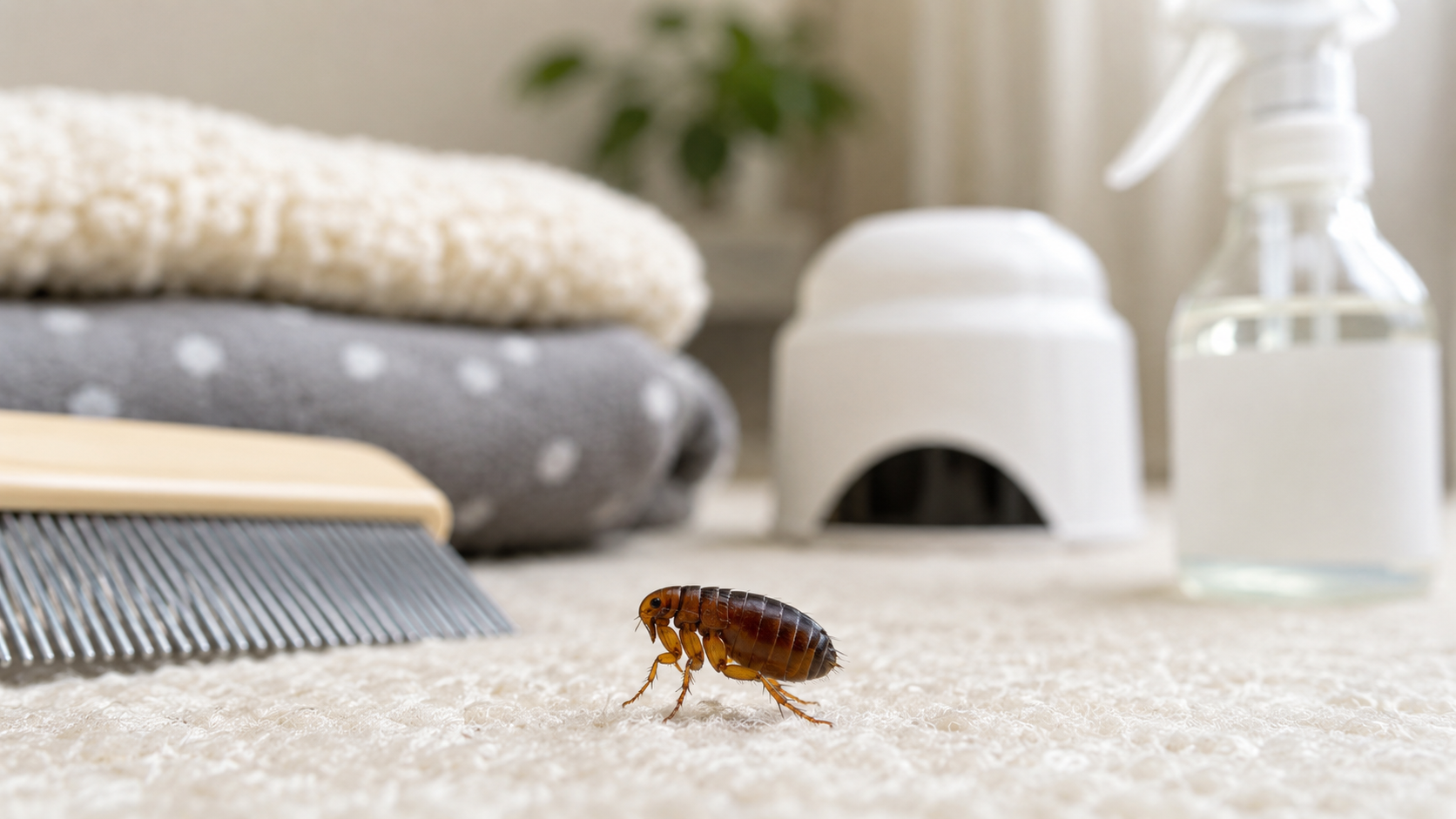
Best Flea Treatments
Compare pets + home sprays, yard hot-spot treatment, complete kits, traps, combs, and dust support.
Bite Comparison

Bed Bug Bites vs Flea Bites
Use bite location and inspection clues before treating the wrong pest.
Natural Products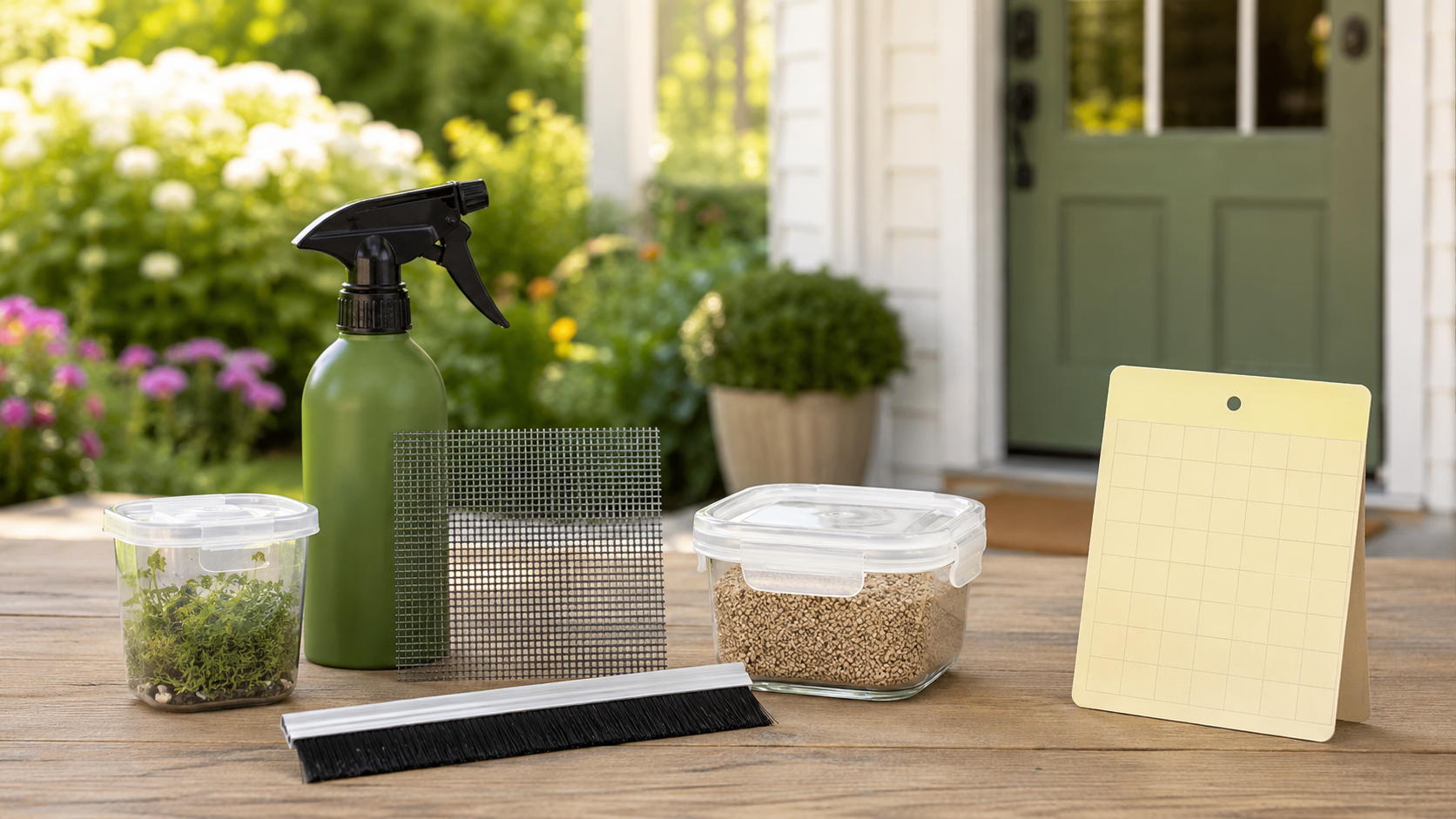

Best Natural Pest Control Products
Lower-toxicity product categories that can support broader home pest prevention.
Yard Hot Spots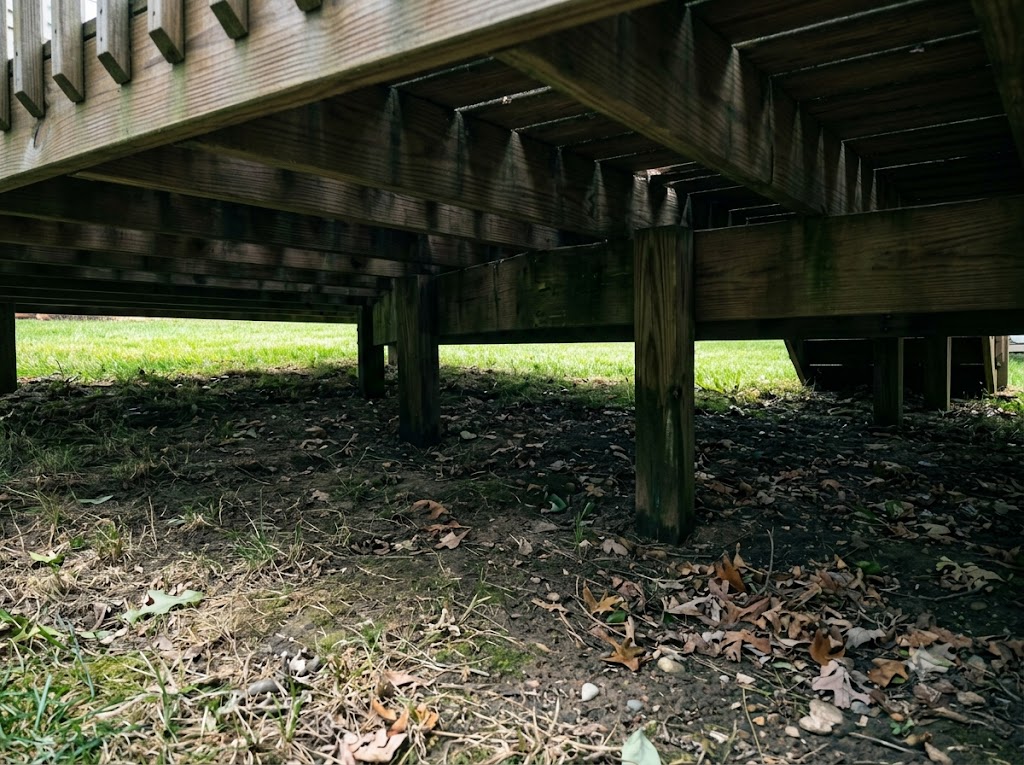
Flea Yard Hot Spots
Where outdoor fleas survive: shaded pet areas, decks, dog runs, fence lines, and wildlife paths.
Professional Help
Best Pest Control Services
When fleas keep returning, several rooms are involved, or the pest may not be fleas.
No guides in this category yet.
Choose the Right Flea Treatment for Your Situation
These are the live Wondercide hub options already tracked for the fleas page. Match the product type to the source of activity and always follow the label.
Yard Treatment
Wondercide Flea & Tick Yard Refill Kit
A hose-end sprayer paired with a concentrate refill for shaded outdoor hot spots, pet paths, patios, and areas where fleas keep returning from outside.
Indoor Rooms
Wondercide Indoor Pest Control
A ready-to-use spray category for carpets, rugs, and floor edges indoors. No mixing required; follow the label for coverage and re-entry time.
Whole Property
Wondercide Complete Control Flea & Tick Kit
A broader kit option when flea pressure involves indoor rooms and outdoor hot spots that need to be handled together.
Quick Test: Which Flea Plan Should You Start With?
Answer three questions about where you see signs. The result points you toward inspection, home treatment, yard hot spots, whole-property control, or bite comparison.
Question 1 of 3
Result
Flea Control FAQ
Can fleas live without pets?
Yes. Fleas can be connected to wildlife, previous infestations, shared buildings, or protected indoor areas, not only pets. A pet-free home can still have fleas after wildlife activity or a prior infestation.
What is the first sign of fleas in a house?
Common early signs include pets scratching more than usual, flea dirt in bedding or rugs, tiny jumping insects near floor edges, and itchy bites around ankles or lower legs.
Do fleas live in beds?
Fleas are more strongly associated with carpets, rugs, pet bedding, and floor-level resting areas than beds. They can end up in beds if pets sleep there. If bites mainly appear after sleep, also check for bed bugs.
Can fleas live in the yard?
Yes. Fleas are most likely in shaded, humid outdoor areas where pets rest or wildlife moves through. Open sunny lawn is usually less important than under decks, fence lines, dog runs, and shaded edges.
How long does it take to get rid of fleas?
It can take weeks or longer because eggs, larvae, and pupae may continue developing after adult fleas are treated. Consistent cleaning, pet coordination, and follow-up matter.
Are flea yard sprays enough by themselves?
No. Yard sprays can support control in outdoor hot spots, but they do not replace pet treatment, washing fabrics, vacuuming, indoor source control, and follow-up.
When should I call a professional?
Consider professional help if fleas keep returning after cleaning and treatment, several rooms are involved, the yard has heavy wildlife pressure, bite reactions are severe, or you are not sure whether the pest is fleas, bed bugs, mites, or something else.