


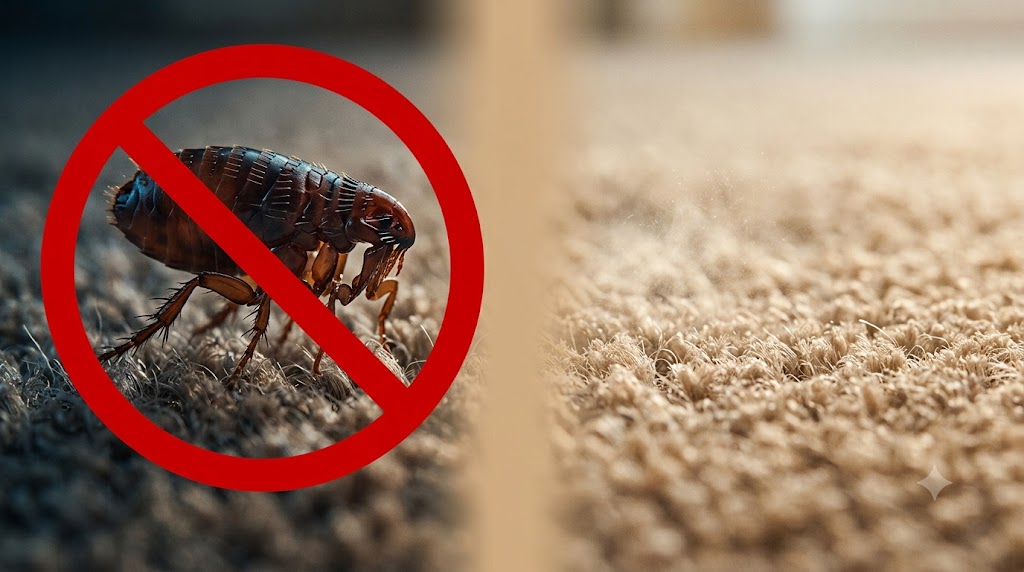
Fleas rarely stay in one place. A single sighting usually means eggs, larvae, and pupae are already spread across carpets, floor edges, and — if fleas are coming from outside — shaded resting spots in the yard. Treating only the adults you can see almost always leads to a “the fleas came back” moment two weeks later.
This step-by-step guide walks through a full flea control plan for your home and yard on one coordinated timeline. If you are not sure the pest is fleas yet, start with the flea identification and biology overview or compare bites in Bed Bug Bites vs Flea Bites before buying anything.
Affiliate and referral disclosure: PestsGuide may earn a commission from qualifying purchases through links in this article. This does not change your price or our editorial recommendations.
First 24 Hours: What to Do
- Confirm fleas: look for flea dirt in carpets, rugs, or bedding.
- Strip and wash any fabric in rooms where fleas are active.
- Vacuum every carpet, rug, and floor edge before applying any product.
- Identify the shaded outdoor spots fleas may be using if they’re coming from the yard.
- If pets are part of the household, call your veterinarian and plan their treatment for the same day as the home treatment.
If you are still not sure whether the problem is fleas, start with the visible clues before choosing a treatment. Check pet bedding, rugs, carpet edges, baseboards, and ankle-level bites, then compare your findings with our guide to signs of fleas in your home.
Before You Start: Confirm It’s Fleas
Bites alone are not enough to confirm fleas. Small red bumps on ankles and lower legs can also come from bed bugs, mites, mosquitoes, or skin irritation. The strongest confirmation clues are in the environment: dark flea dirt in carpets or bedding that turns reddish brown on a damp white paper towel, or a live flea seen jumping near rugs or floor edges.
If bites appear mainly after sleep, on arms, neck, and shoulders instead of ankles, check for bed bugs before you start treating for fleas. Full comparison in Bed Bug Bites vs Flea Bites.
Not sure whether the itchy marks are from fleas? Start with the bite guide before choosing products: Flea Bites.
Step 1: Wash Everything Fleas Can Hide In
Before you spray a single square foot of carpet, get all washable fabrics into the laundry — bedding, blankets, throws, slipcovers, and anything piled in rooms where fleas are active.
- Wash in the hottest water the fabric label allows.
- Tumble dry on high heat if the label permits — heat helps disrupt eggs and larvae.
- Bag anything that cannot be washed today and set it aside until you can wash or replace it.
Step 2: Deep Clean Carpets, Rugs, and Floor Edges
Vacuuming is not a decorative first pass before the “real” treatment — it’s one of the biggest levers you have. Mechanical vacuuming removes eggs, larvae, and flea dirt, and the vibration can trigger pupae to hatch into adults that then get caught by the products you apply next.
How to vacuum for fleas
- Move furniture where you can — fleas concentrate in edges, under sofas, and along baseboards.
- Use a HEPA-rated bag or a sealed canister; empty into a tied bag and take it straight outside.
- Focus on carpets, rugs, upholstered furniture, floor cracks, baseboards, and resting zones.
- Repeat daily for the first week and every other day for the next two weeks.
Diatomaceous earth as a mechanical adjunct
Food-grade diatomaceous earth (DE) can be lightly dusted into carpet edges, baseboards, and cracks where flea eggs and larvae hide. DE works mechanically rather than chemically, drying out flea life stages that contact it. Use a light dusting only, follow the label, and vacuum up after the recommended contact time.
Check HARRIS Diatomaceous Earth on Amazon →
Step 3: Treat Indoor Rooms
Once fabrics are washed and carpets are vacuumed, the home is ready for a labeled indoor treatment. Read the label first; do not spray upholstery or furniture the label does not cover, and keep children and pets out of the treated area until it is fully dry.
Where to treat
- Carpets and rugs.
- Floor edges, baseboards, and floor cracks.
- Under sofas, beds, and low furniture where flea life stages concentrate.
Plant-Based Indoor Spray
Wondercide Indoor Pest Control
Labeled for indoor use on carpets, rugs, and floor edges. Ready-to-use, no mixing. Follow the label for coverage, contact time, and re-entry.
Step 4: Treat Outdoor Hot Spots
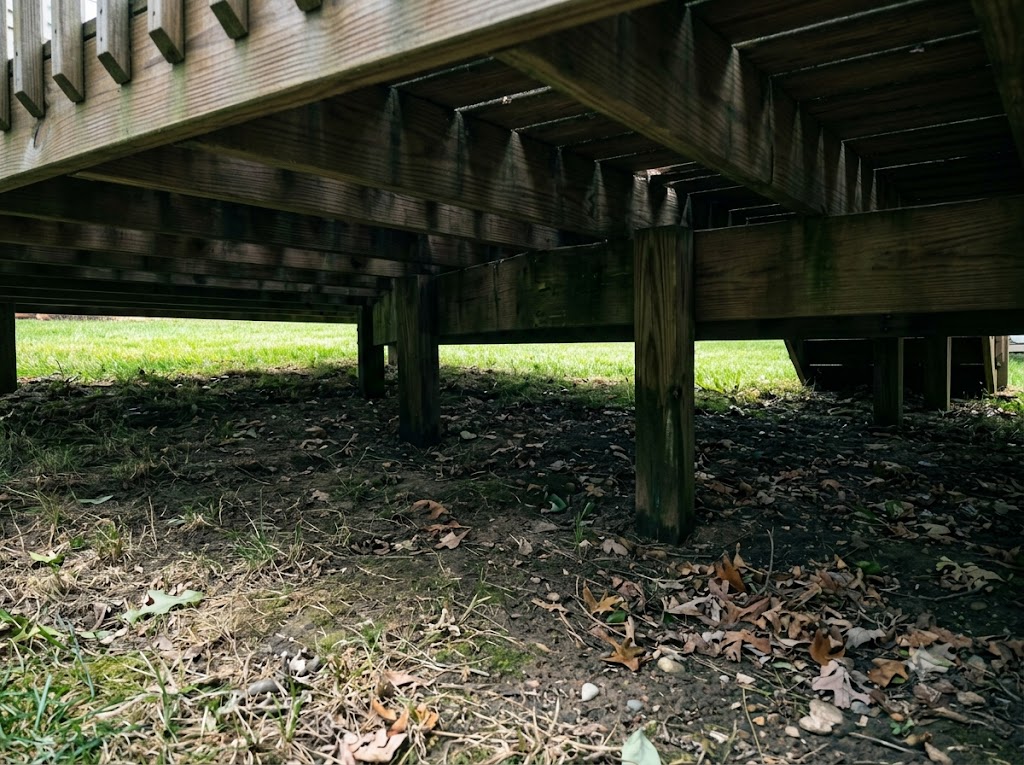
If fleas keep coming back after the home is clean and treated, the yard is usually the source. Outdoor treatment should not blanket the whole lawn — focus on the specific microhabitats fleas actually use:
- Shaded resting areas — under decks, porches, and mature shrubs.
- Pet paths, if pets use the yard — the routes they walk to and from the house.
- Wildlife routes — fence lines, gaps behind sheds, edges of crawlspaces.
- Dog houses, kennels, and outdoor bedding, if applicable.

For a side-by-side comparison of pets, home, yard, monitoring, combing, and dust-support options, see Best Flea Treatments.
Wondercide Flea & Tick Yard Spray Refill Starter Kit
This is the yard product we recommend first. The refill kit comes with a hose-end sprayer and a concentrate refill, so a single purchase covers both the first treatment and follow-up applications later in the season. It’s also the yard option that has already generated a verified purchase from PestsGuide traffic in the current campaign.
Recommended Yard Option
Wondercide Flea & Tick Yard Spray Refill Starter Kit
Hose-end sprayer bottle plus a concentrate refill in one purchase. Covers up to about 5,000 sq ft per fill and includes concentrate for follow-up treatments. Use only as directed on the label.
Step 5: Whole-Property Treatment
If flea pressure hits indoor rooms and the yard at the same time, a bundled kit can be more efficient than buying each piece separately.
Whole-Property Bundle
Wondercide Complete Control Flea & Tick Kit
A broader bundle when flea pressure hits indoor rooms and outdoor hot spots at the same time. Use each component per its own label.
If Pets Are Part of the Household
Coordinate pet treatment with your home and yard treatment rather than treating the pet separately on its own schedule. Ask your veterinarian which flea product fits each pet — this matters most for cats, young animals, older pets, pregnant animals, and pets with health issues. Pets should stay out of any treated indoor or outdoor area until it is fully dry.
Pets + Home Spray
Wondercide Flea & Tick Spray for Pets + Home
A labeled spray for use on dogs and around pet resting areas indoors. Follow the pet-specific instructions on the label and keep the product away from cats’ faces and eyes. Use only as directed.
Step 6: Follow Up at 7 to 14 Days
Flea pupae are protected inside a cocoon and are far harder to affect than eggs, larvae, or adults. This is the biology behind almost every “the fleas came back” story: the first round of treatment handled visible adults and unprotected life stages, but new adults kept emerging from pupae over the next two weeks.
If fleas seem to disappear and then come back, the hidden eggs, larvae, and pupae may be the reason. See Flea Life Cycle for a stage-by-stage explanation of why follow-up matters.
Plan a follow-up round 7 to 14 days after the first treatment day:
- Vacuum again thoroughly, including the same edges and resting zones.
- Re-treat indoor areas per the product label if adults are still emerging.
- Re-apply outdoor spray to the same hot spots if the label allows.
- Keep pet treatment consistent without gaps, if pets are part of the plan.
Prevention: Keep Fleas From Coming Back
Prevention is about breaking the cycle before it starts, not spraying more often. Reduce the conditions that let fleas survive around the home and yard.
- Remove damp leaf litter and debris from shaded resting areas.
- Keep grass trimmed along patios, fences, and paths.
- Clean dog houses, kennels, and outdoor bedding if pets use the yard.
- Block access to crawlspaces and sheltered spots where wildlife may nest.
- Re-inspect after travel, boarding, wildlife activity, or a pet visit from outside.
If pets are part of the household, keep them on an appropriate year-round flea-prevention plan agreed with your veterinarian.
If you prefer plant-based products for ongoing use, see our short list of options in Best Natural Pest Control Products.
When to Call a Professional
Consider professional help when fleas keep returning after two full treatment cycles, when multiple rooms and outdoor hot spots are involved at once, when someone in the home has strong bite reactions, or when the source appears to be persistent wildlife activity you cannot control on your own.
FAQ
How long does it take to fully get rid of fleas?
Two to six weeks is typical when the home and yard are treated together and follow-up rounds are done on time. Flea pupae are protected inside a cocoon and can keep hatching for weeks, which is why the follow-up round at 7 to 14 days is not optional.
Can I skip treating the yard if we only see fleas indoors?
Not if pets go outside or there’s wildlife activity near the home. Untreated shaded outdoor hot spots re-seed the indoor problem quickly. If the home has no outdoor pet access and no wildlife pressure, the yard step is less critical.
Are foggers (“flea bombs”) enough on their own?
No. Foggers only reach open surfaces and can miss the exact edges and cracks where flea life stages hide. They also don’t treat outdoor hot spots. Foggers can be part of a plan for large open spaces, but they are not a substitute for coordinated home and yard treatment.
Do plant-based sprays actually work on fleas?
Plant-based sprays are labeled options many households prefer. As with any flea product, results depend on coverage, timing, and whether indoor rooms and outdoor hot spots are treated in coordination. Use per label and follow up on schedule.
What about diatomaceous earth by itself?
DE can be a useful mechanical adjunct in cracks, edges, and resting zones, but it is slow and often not enough as a stand-alone treatment for an active infestation. Use it alongside washing, vacuuming, and labeled treatment rather than instead of them.
How often should I re-treat the yard during flea season?
Follow the label. Wondercide’s yard products list re-treatment intervals in the low single-digit weeks during active pressure and every 30 to 45 days for maintenance. Read the product label for your specific SKU and adjust to your local pressure.