


This page is about value: when DIY termite treatment is a smart low-cost step, when it becomes a false economy, and when paying for an inspection first can save money later. If you want the broader yes-or-no decision, read our guide on whether you can treat termites yourself or need a professional.
Affiliate and referral disclosure: PestsGuide may earn a commission from qualifying purchases or referrals through links in this article. This does not change your price or our editorial recommendations.
Quick Answer
- DIY is worth it when you have one small accessible spot, exposed unfinished wood, or a preventive monitoring goal.
- DIY is not worth it when the infestation may be hidden, spreading, structural, or connected to mud tubes near the foundation.
- A cheap product can be a good value if it matches the exact problem.
- A pile of random DIY products can be wasted money if the termite source is somewhere you cannot reach.
- Inspection can save money by preventing the wrong treatment, delayed repairs, or repeated failed DIY attempts.
The Money Question: What Are You Actually Paying For?
The upfront price of DIY termite treatment is usually much lower than professional treatment. That is why it is tempting. But the true cost depends on whether the product solves the right problem.
A $50 foam may be worth it for one visible, accessible spot. A $150-$250 borate treatment may be worth it if you are protecting exposed unfinished wood during repairs. A $100-$300 bait-station setup may be worth it if your goal is monitoring and early warning.
But spending $300 on sprays, stakes, dusts, and tools without knowing where the termites are can be wasted money. If the real activity is inside structural wood, below the slab, or spread through multiple areas, the cheaper first step may become the expensive path.
| Money Spent | When It Can Be Worth It | When It Can Be Wasted |
|---|---|---|
| $20-$80 on foam or spray | One small accessible spot, wall void, trim area, or visible gallery | Termites are entering from soil or active in hidden structural wood |
| $60-$250 on borate | Exposed unfinished wood during repairs, remodeling, crawl space work, or prevention | Wood is already closed up, painted, sealed, or inaccessible |
| $50-$300+ on bait stations | Monitoring, low-pressure perimeter protection, or early warning | You already have active damage and need faster diagnosis |
| $150-$600+ on mixed DIY products | Only if each product has a clear job and matches the termite situation | You are guessing, treating visible signs only, or delaying inspection |
When DIY Termite Treatment Has Good ROI
DIY termite treatment has the best return when the risk is limited and the product has a clear job. You are not trying to solve every possible termite problem. You are spending a modest amount to handle a specific, accessible situation.


- One accessible spot: a localized area in trim, a small wall void, furniture, or exposed wood may justify a targeted product.
- Exposed unfinished wood: borate can be a strong value before you close up repairs or remodeling work.
- Preventive monitoring: bait stations can help you spot activity earlier around a home in a termite-prone area.
- No major damage: DIY is more reasonable when you do not see hollow structural wood, sagging, or widespread galleries.
- You know the treatment goal: the product is chosen for a specific location, not because you are hoping it covers everything.
For these lower-risk cases, compare termite sprays and foams for spot treatment, borate wood treatments, and termite bait stations.
When DIY Becomes a False Economy
DIY becomes a false economy when the lower upfront cost hides a bigger risk. The product may treat what you can see while the main termite activity continues somewhere else.
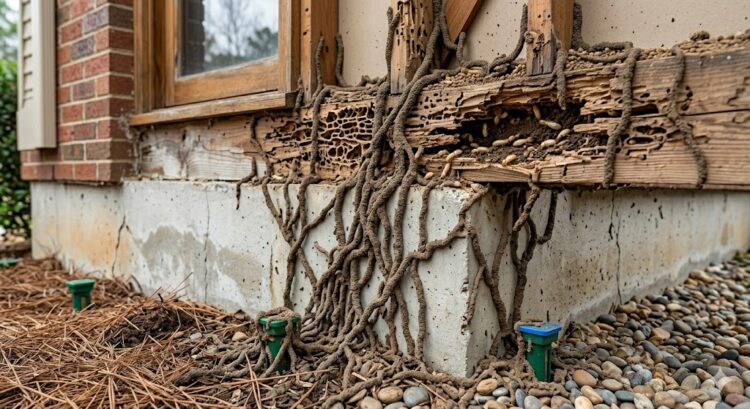
- Mud tubes near the foundation: this often points to subterranean termite activity that may require a soil, bait, or professional treatment plan.
- Visible damage: damaged trim, hollow wood, blistering surfaces, or weakened framing can make delay expensive.
- Multiple rooms: scattered signs usually reduce the value of spot treatment.
- Recurring activity: if termites return after DIY treatment, the source was probably not addressed.
- Unknown termite type: drywood and subterranean termites often need different treatment paths.
- Repair work is planned: closing up damaged wood before confirming activity is controlled can hide the problem.
Value warning: the expensive part is often not the first product you buy. It is the delay. If termites keep feeding while you test the wrong treatment, the repair bill can grow faster than the product savings.
DIY Cost vs Risk Table
| Situation | DIY Value | Financial Risk | Best Next Step |
|---|---|---|---|
| Small accessible spot | High | Low to moderate if you keep monitoring | Compare spot treatment sprays and foams |
| Exposed wood during repair | High | Moderate if active termites are not checked first | Use borate wood treatment |
| Preventive monitoring | Moderate to high | Low if you inspect stations regularly | Compare termite bait stations |
| Mud tubes near foundation | Low unless you know the treatment plan | High if the soil source remains active | Compare soil treatment or inspection |
| Visible wood damage | Low | High because treatment and repair decisions overlap | Start with inspection, then plan damage repair |
| Drywood signs in multiple areas | Low | High if hidden galleries continue spreading | Get inspection; fumigation may be considered depending on scope |
Why Inspection Can Be the Best Value
An inspection is not valuable because it is more expensive. It is valuable because it reduces guessing. If you spend $100-$300 on the wrong DIY products, you may still need the inspection, treatment, and repairs afterward.
Inspection can save money when it helps you:
- identify whether the activity is drywood or subterranean;
- avoid treating only the visible signs;
- find out whether damage is active, old, or spreading;
- choose between spot treatment, bait stations, soil treatment, fumigation, or repair planning;
- avoid closing up damaged wood before the active problem is addressed;
- compare quotes before a small problem becomes a larger repair issue.
Not sure if DIY is worth the money?
If the signs are unclear, hidden, or spreading, compare inspection costs and the DIY-vs-pro decision path before spending more on products that may not match the problem.
Best DIY Routes If the Numbers Make Sense
If your situation is low risk, the best value comes from choosing one treatment route that fits the problem. Do not buy everything at once. Match the product to the location and goal.
| DIY Route | When It Is Worth Considering | Read Next |
|---|---|---|
| Foam or spot treatment spray | You have one small accessible area, crack, trim section, or wall void | Best termite sprays for spot treatment |
| Borate wood treatment | Wood is exposed, unfinished, and reachable during repairs or prevention work | Best borate wood treatment for termites |
| Bait stations | You want monitoring, early warning, or perimeter protection before major damage appears | Best termite bait stations |
| Soil termiticide | The problem fits a subterranean termite soil-treatment setup and you can follow the label safely | Best termite killer for soil |
So, Is DIY Termite Treatment Worth It?
DIY termite treatment is worth it when the cost is small, the target is clear, and the risk of hidden damage is low. It is especially useful for one accessible spot, exposed unfinished wood, or preventive monitoring.
DIY termite treatment is not worth it when you are guessing. If you see mud tubes, visible damage, repeated activity, or signs in multiple areas, the better value is usually inspection first. That gives you a clearer plan before you spend money on products, repairs, or a full treatment.
FAQ
Is DIY termite treatment cheaper than professional treatment?
Yes, DIY is usually cheaper upfront. The risk is that it may not address hidden activity, the termite source, or structural damage. It is only cheaper overall if it matches the real problem.
How much money can DIY termite treatment save?
DIY may save money in small, accessible cases where a targeted product is enough. The savings disappear if you buy several products, delay inspection, and still need professional treatment later.
Is a $50 termite foam worth it?
A $50 termite foam can be worth it for one accessible wall void, crack, trim area, or localized gallery. It is not a reliable substitute for inspection when termites may be widespread or connected to the soil.
Are termite bait stations worth the money?
Termite bait stations can be worth the money for monitoring and early warning, especially around homes in termite-prone areas. They are less valuable as a quick fix for visible structural damage.
Is borate treatment worth it?
Borate treatment can be a good value when wood is exposed and unfinished. It is especially useful during repairs, remodeling, attic work, crawl space access, or new construction. It is not a complete solution for hidden colonies.
When does DIY termite treatment become expensive?
DIY becomes expensive when it delays the right treatment. The biggest cost is often not the product itself, but the extra damage, repeated attempts, and repair work that can follow a missed infestation.
Should I pay for inspection before DIY termite treatment?
If the signs are unclear, widespread, recurring, or connected to visible damage, inspection is usually worth considering before buying more products. It can prevent wrong treatment and wasted spending.
Related Reading
- Can I Treat Termites Myself or Do I Need a Professional?
- Best Termite Sprays for Spot Treatment
- Best Borate Wood Treatment for Termites
- 3 Best Termite Bait Stations for Home Protection
- Best Termite Killer for Soil: Termidor SC vs Taurus SC
- Termite Inspection Cost: What to Expect
- Termite Damage Repair: Cost, DIY Fixes, and When to Hire a Pro
- Termite Fumigation: Preparation, Side Effects and Cost