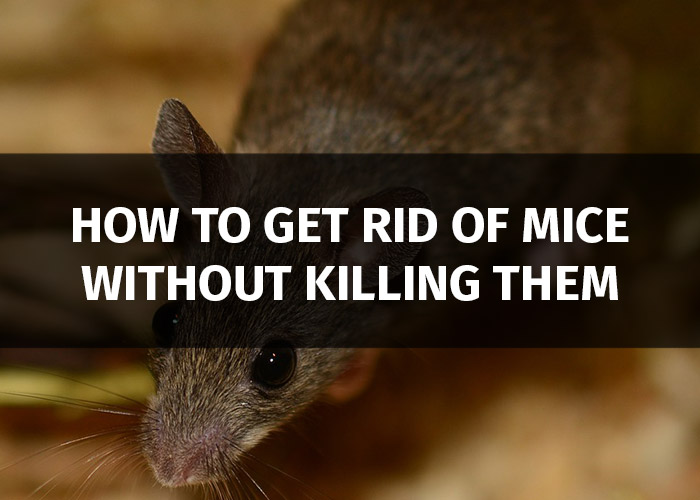
If you want to get rid of mice humanely without killing them, start with prevention, exclusion, sanitation, and carefully checked live-catch traps. Scents, ultrasonic devices, foil, and home remedies may discourage activity in small areas, but they do not remove mice already living inside walls, cabinets, garages, or storage spaces.
The most humane plan is simple: block the entry points, remove food sources, use traps only where mice already travel, and check any live-catch trap often enough that the trapped mouse does not suffer. If you hear scratching in walls or keep seeing fresh droppings after cleanup, use a location-specific plan before adding more gadgets.
- Best first step: remove food, trash, clutter, and easy nesting material.
- Most important long-term step: seal gaps around doors, vents, pipes, utility lines, garage doors, and foundations.
- Best non-lethal removal tool: live-catch traps, checked frequently and used according to local rules.
- Use with caution: peppermint oil, scent sprays, and ultrasonic repellers can be support tools, but not the whole plan.
- Avoid: loose poison, glue traps, ammonia rags, and improvised releases that violate local wildlife rules.
1. Stop Mice From Entering First
Non-lethal mouse control works only if new mice cannot keep entering. Walk the inside and outside perimeter with a flashlight and look for small openings around pipes, utility lines, door frames, garage door corners, foundation gaps, vents, siding, and crawl-space openings.
For small gaps, use chew-resistant materials and sealant. Steel wool, copper mesh, hardware cloth, and metal flashing can help block small routes when used correctly. If an opening is larger or structural, repair it instead of stuffing it loosely.
Do not seal every suspected opening blindly if you hear mice actively moving in walls or ceilings. You may trap animals inside. If wall activity is the main issue, start with our mice-in-walls guide before closing every route.
For door sweeps, vent covers, mesh, sealants, and gap-blocking products, see our guide to pest control barriers for doors, windows, and vents.
2. Remove Food, Water, and Shelter
Mice stay where food and shelter are easy. Before relying on traps or repellents, make the home less useful to them.
- Store pantry food, birdseed, grass seed, and pet food in sealed hard containers.
- Clean crumbs and spills under appliances, cabinets, tables, and pet-feeding areas.
- Use closed trash cans and empty them regularly.
- Replace cardboard storage with sealed plastic bins where possible.
- Dry damp basements, crawl spaces, and utility areas.
- Move firewood, brush, and storage piles away from the foundation.
3. Use Live-Catch Traps Carefully
Live-catch traps are the clearest option if your goal is removal without killing. They still require responsibility. A trapped mouse can become stressed, dehydrated, or injured if the trap is ignored, so check traps often and follow local rules about release.
 Place live traps along walls, behind appliances, under sinks, near droppings, and close to known travel routes. Use a small amount of peanut butter or another strong-smelling bait at the back of the trap. Keep traps away from children and pets, and check them at least daily, more often if the manufacturer recommends it.
Release rules vary by location, and releasing house mice outdoors can create survival, disease, and neighborhood problems. Check local wildlife or animal-control guidance before relocating mice. If you cannot legally or practically release captured mice, live trapping may not be the right method for your situation.
For a broader comparison of humane, snap, enclosed, and electric options, see our best mouse traps guide. If you decide that no-touch cleanup matters more than live release, compare electric mouse traps.
4. Use Peppermint Oil Only as Support
Peppermint oil is popular because it is easy to try and has a strong smell. It may discourage mice from spending time in a small treated area, but it should not be treated as a complete solution for an active infestation.
To use it as a support measure, add a few drops to cotton balls and place them near suspected entry points, under sinks, or along travel routes. Refresh them when the smell fades. Use it together with cleaning, sealing, and trapping.
If you want to compare peppermint oil options, these are common choices:
- Peppermint essential oil
- Dried cloves, which some readers use as a scent support option
For a more detailed natural-methods comparison, read How to Get Rid of Mice Naturally: What Actually Works.
5. Treat Ultrasonic Repellers as an Extra Layer
Ultrasonic repellers are easy to plug in, but their results vary. Furniture, walls, room layout, and device quality can affect performance. Do not rely on ultrasonic devices as the main way to remove mice from a home.
 If you use them, place them in open rooms where the sound path is not blocked, and combine them with sanitation, exclusion, and traps. Examples readers compare include the BRISON ultrasonic plug-in device and T3-R ultrasonic pest repeller.
For a full category review, see our guide to the best ultrasonic pest repellers.
6. Be Careful With Scent Sprays
Some peppermint-based sprays may help discourage activity in a small area, especially near a garage, storage room, or vehicle. They do not seal entry points, remove nests, or replace traps.
 Options readers compare include Mighty Mint peppermint oil mice repellent spray and All Natural Rodent Repellent Spray. Use sprays only as directed, keep them away from pet areas and food-prep surfaces, and ventilate treated areas.
If mice are in a vehicle, start with the specific steps in our mice-in-car guide. If they are in a garage, use the garage mouse guide before relying on scent products.
7. Skip Weak or Risky Home Remedies
Some older home remedies are not worth building a plan around:
- Ammonia-soaked rags: unpleasant, risky to handle, and not a reliable mouse-control plan.
- Used cat litter: unsanitary and not a dependable indoor strategy.
- Aluminum foil: some people try it on counters or surfaces, but it does not fix entry points or remove mice. If you use aluminum foil, treat it as a temporary surface deterrent only.
- Predator smells: may make an area unpleasant, but they do not replace trapping and exclusion.
When No-Kill Methods Are Not Enough
No-kill methods work best for early activity, prevention, or a small number of mice. They may not be enough if you keep finding fresh droppings, hear scratching in walls or ceilings, see daytime activity, or cannot find the entry route.
For hidden activity, start with the right location guide:
- How to Get Rid of Mice in Walls
- How to Get Rid of Mice in the Attic
- How to Get Rid of Mice in the Garage
- How to Keep Mice Out of Your Car
If the problem keeps returning after cleaning, sealing, and trapping, compare when it makes sense to hire a professional pest control service.
Final Thoughts
The best way to get rid of mice without killing them is not one product or one trick. It is a complete plan: remove food, seal entry points, use live-catch traps responsibly, and treat scent products or ultrasonic devices as support only.
For most homes, the strongest next step is to inspect the entry points and choose the right trap setup. Start with the main mice control guide, compare mouse traps, and use barriers and exclusion materials to stop the next mouse from getting in.